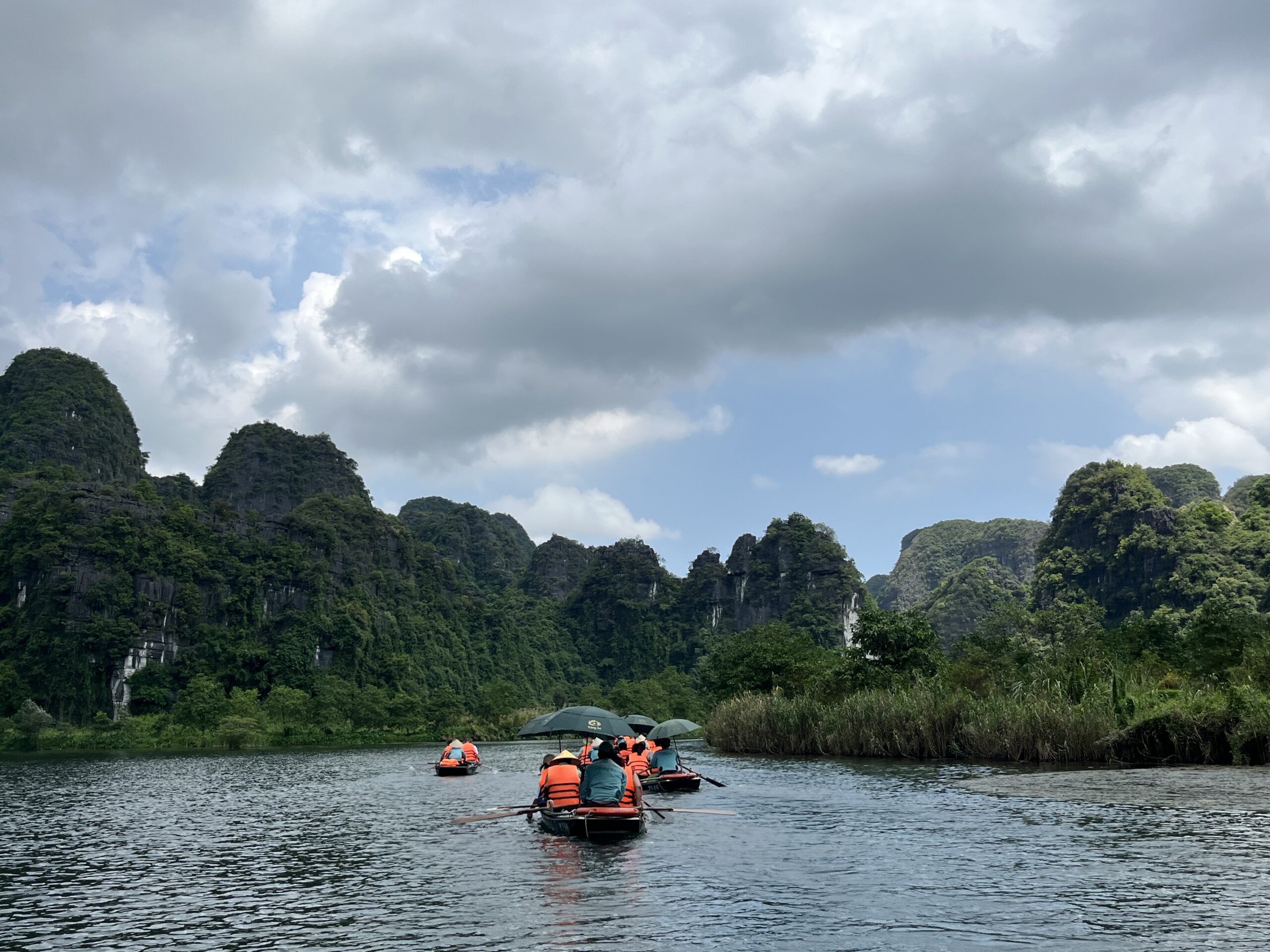
Today was our big Ninh Binh adventure day, starting with a walk to the main Hanoi railway station.

Vietnam Railways was established in 1881 under French colonial rule and it’s now a 100% state owned enterprise, which isn’t perhaps surprising in modern, communist Vietnam. To be sure, nothing messes with train times like a war, particularly when both sides are trying to blow the tracks up. So the system today mainly owes the way it is to what happened after the Vietnam War ended in 1975, with the Reunification Express (Hanoi to Ho Chi Minh City) being established in 1978.

We’d booked ‘soft seats’ – the choices run from hard wooden seats (the cheapest) to 4 berth cabins (the most expensive). Our carriage did, indeed, have comfortable seats, loads of legroom, even a power supply and USB outlets, so better than many a Qantas plane! (On the other hand, the carriage on the way home seemed to have been brought out of retirement as it had a distinctly 70s feel, was shorter than the carriage on the way out, with none of the extra accoutrements… and although we had a seat allocation the seat didn’t actually exist so presumably it wasn’t the carriage the system was expecting).
So our plan was to visit Ninh Binh. We decided to take the train as it gave us an idea of life outside the cities and it was great to see so many slices of Vietnamese life – small towns, rice paddy fields, big houses, small houses. All fascinating.
Ninh Bình is about 90 kilometers south of Hanoi. It’s renowned for its dramatic karst landscapes, with limestone mountains rising from rice paddies and winding rivers. It’s a peaceful alternative to the more crowded tourist hubs like Ha Long Bay. We’d arranged to have a driver to get around in the limited time we had, and sure enough, he met us and suggested we go to visit the Tràng An Landscape Complex, which is a UNESCO World Heritage site.

Once at the site, you’re loaded on to a sampan boat – just four of you and a boatman, and you paddle gently off on a route through the mountains, through caves, stopping at Temples along the way.
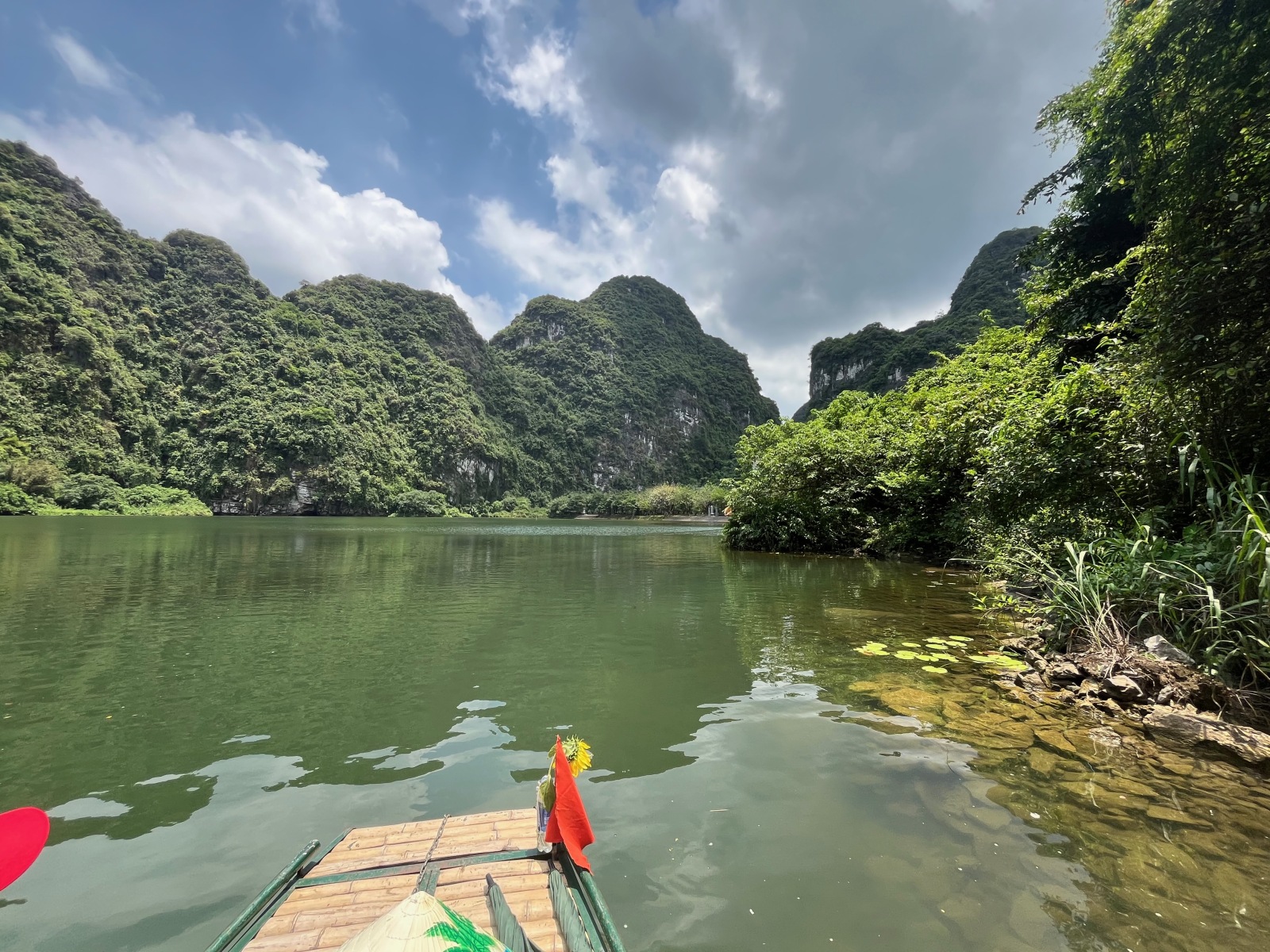
It is one of the most spectacular natural and cultural destinations in the country, As well as the stunning natural karst landscape, there is evidence of human settlement dating back 30,000 years along with historic and religious monuments, including temples and ancient capital ruins.
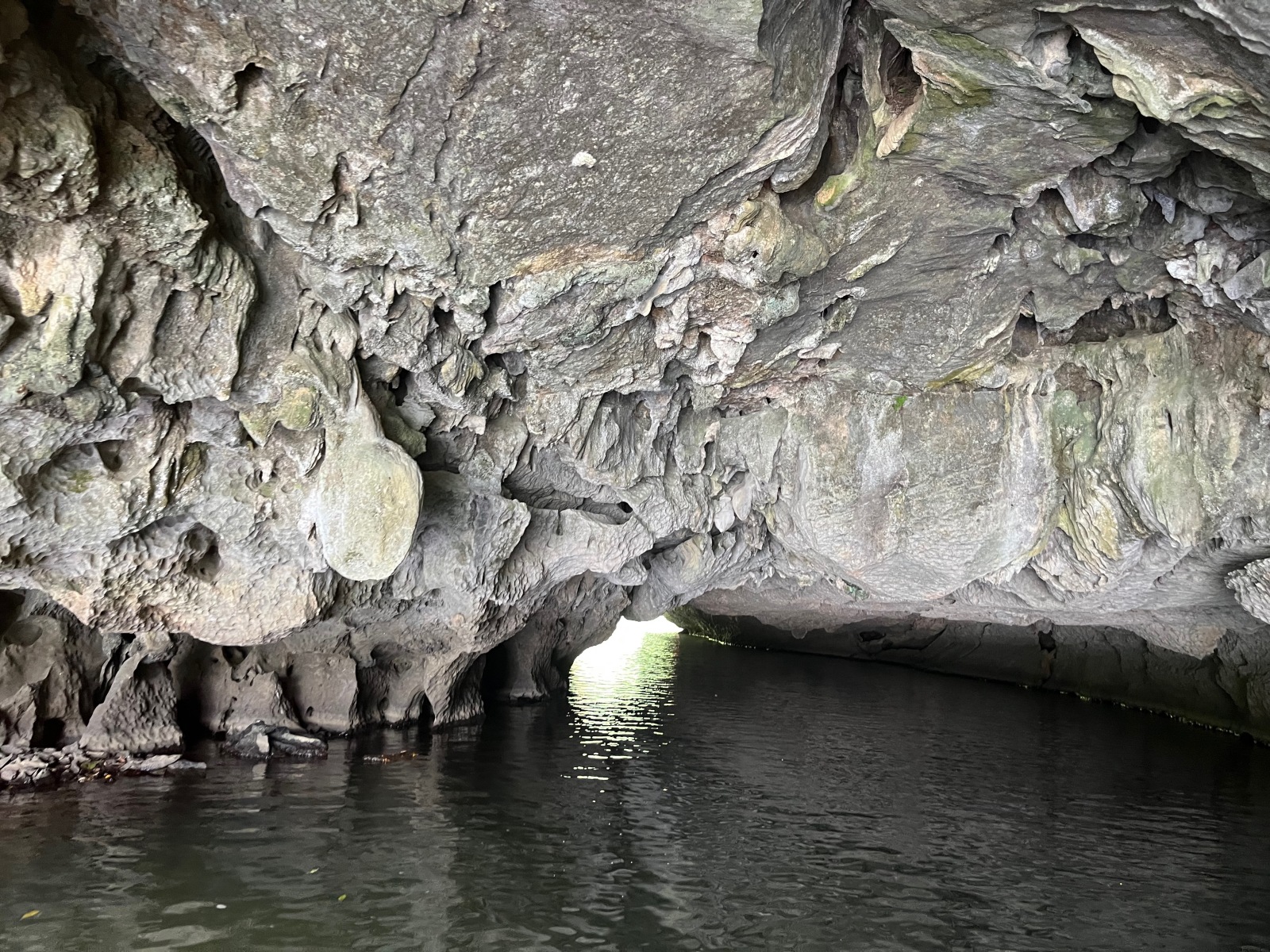
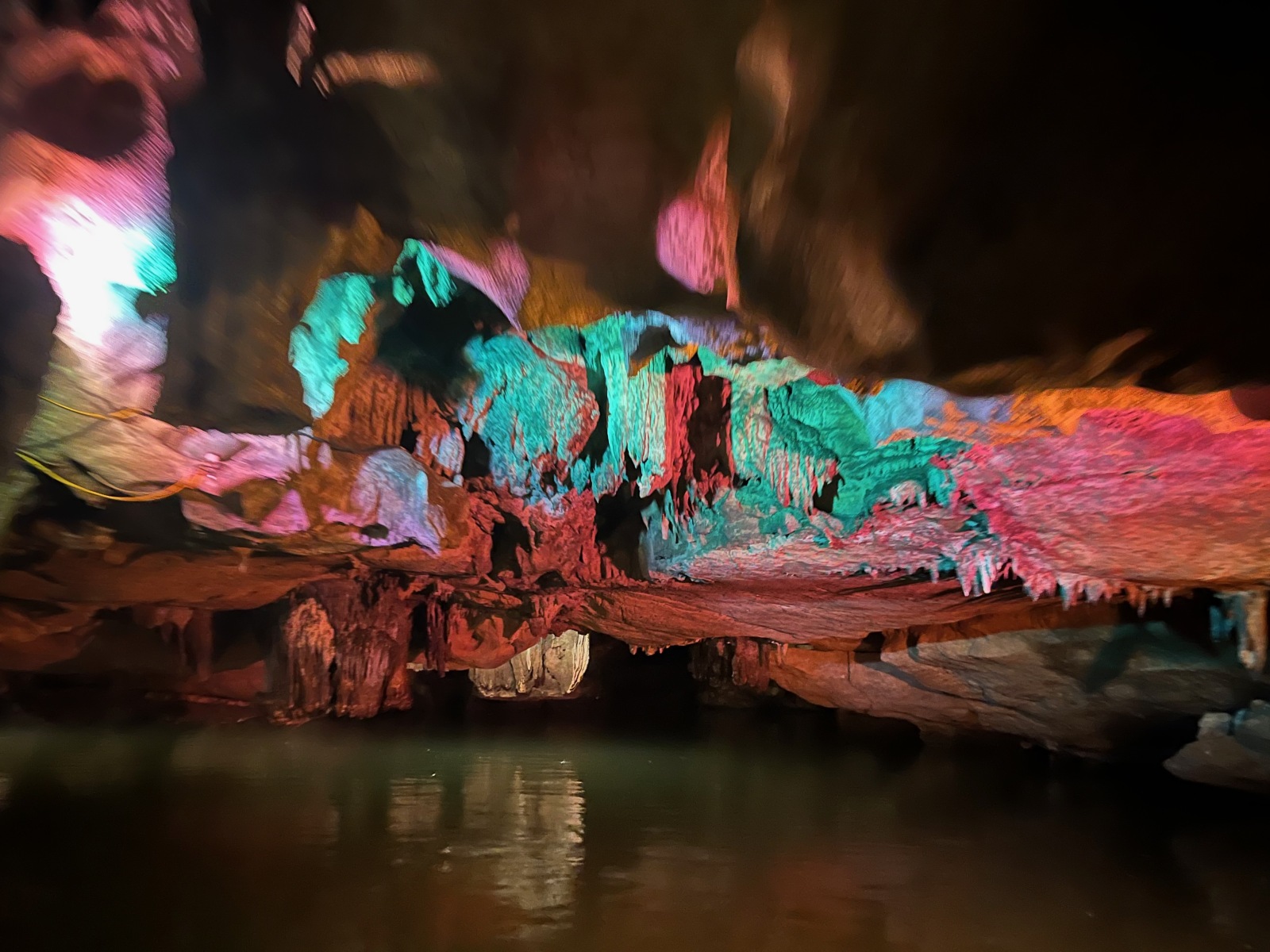
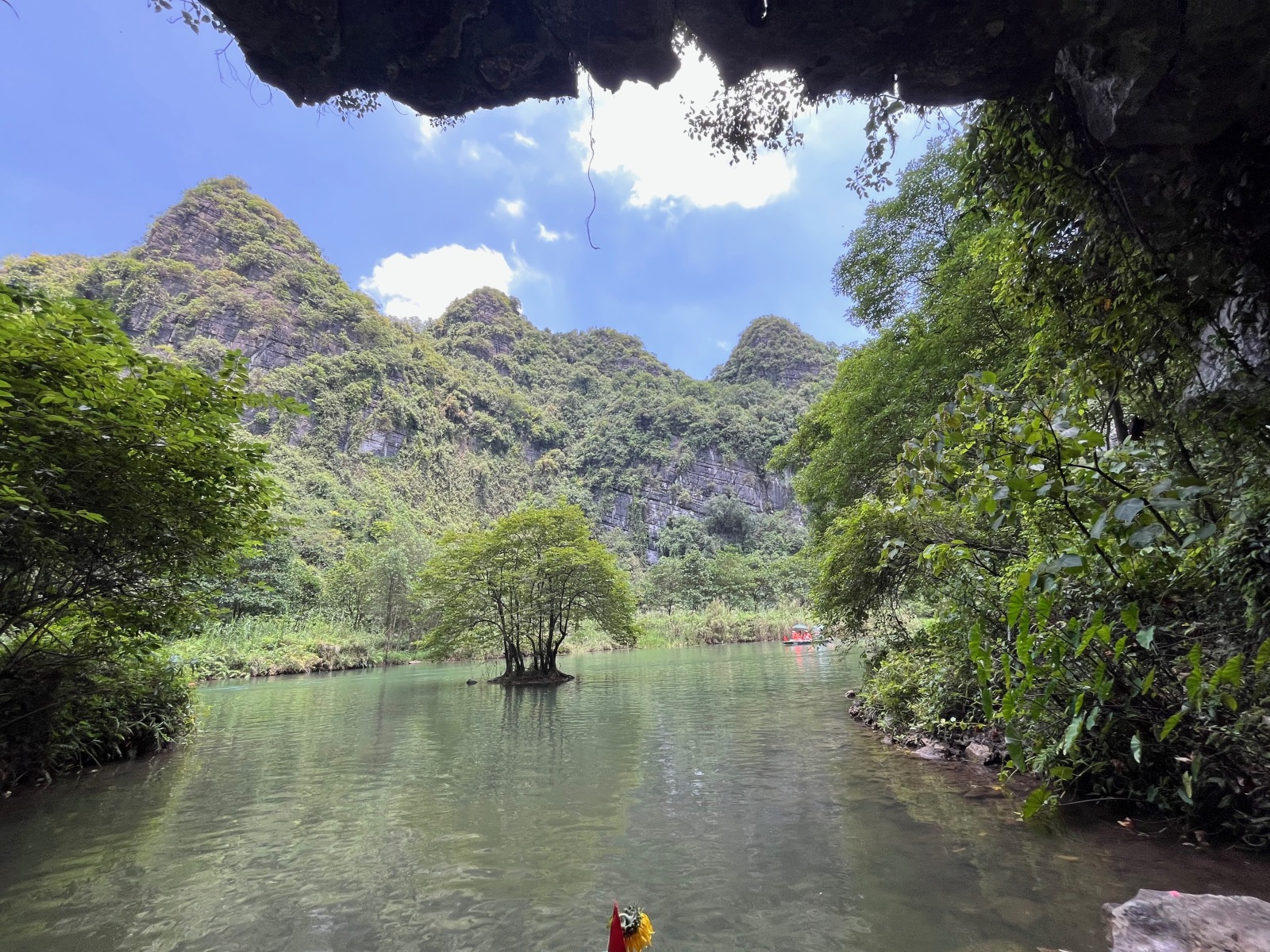
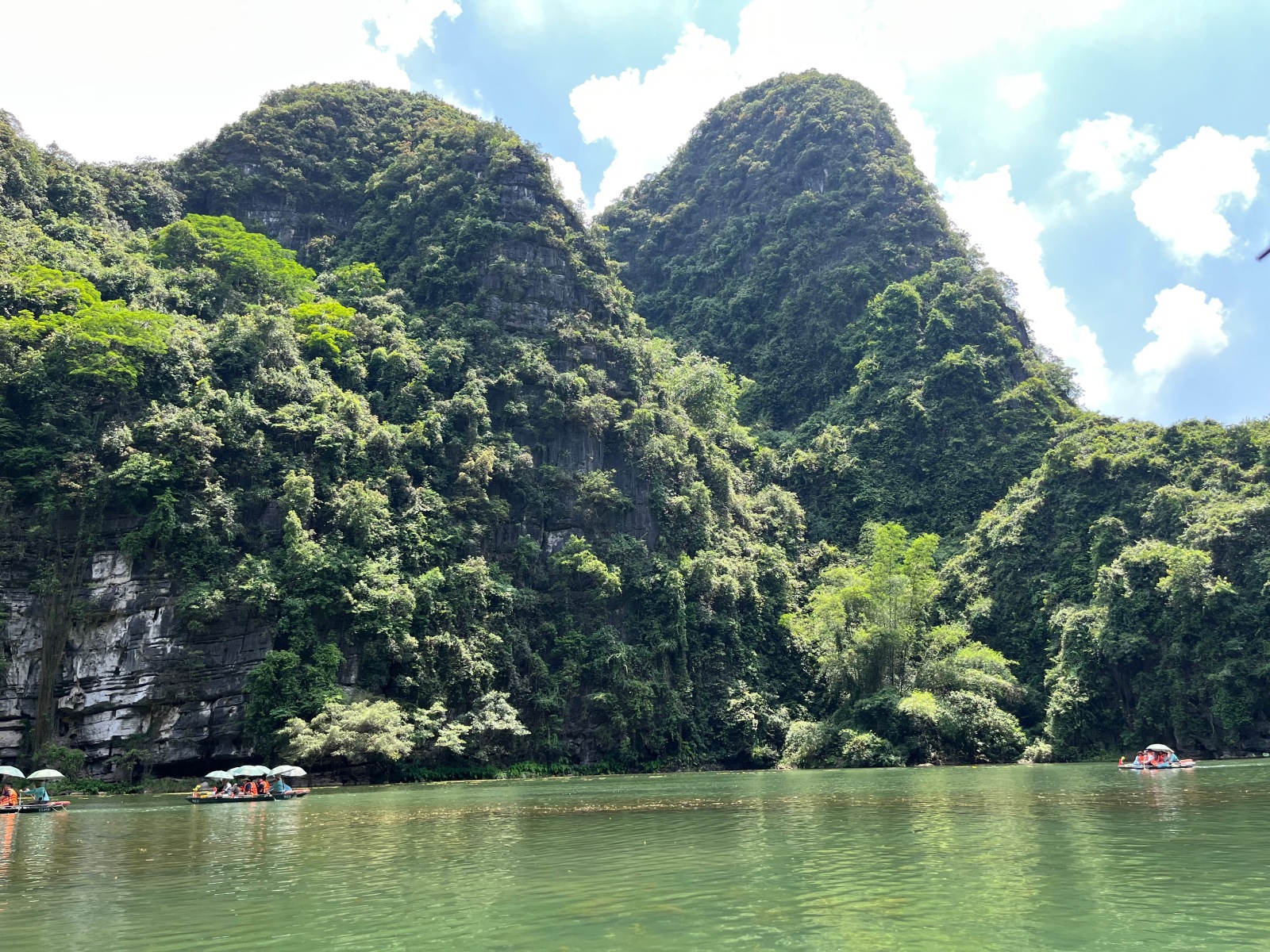
There are more than 30 valleys and 50 caves connected by the network of rivers. The boat tours take visitors through long, dark caves and open valleys filled with lush vegetation and dramatic cliffs.
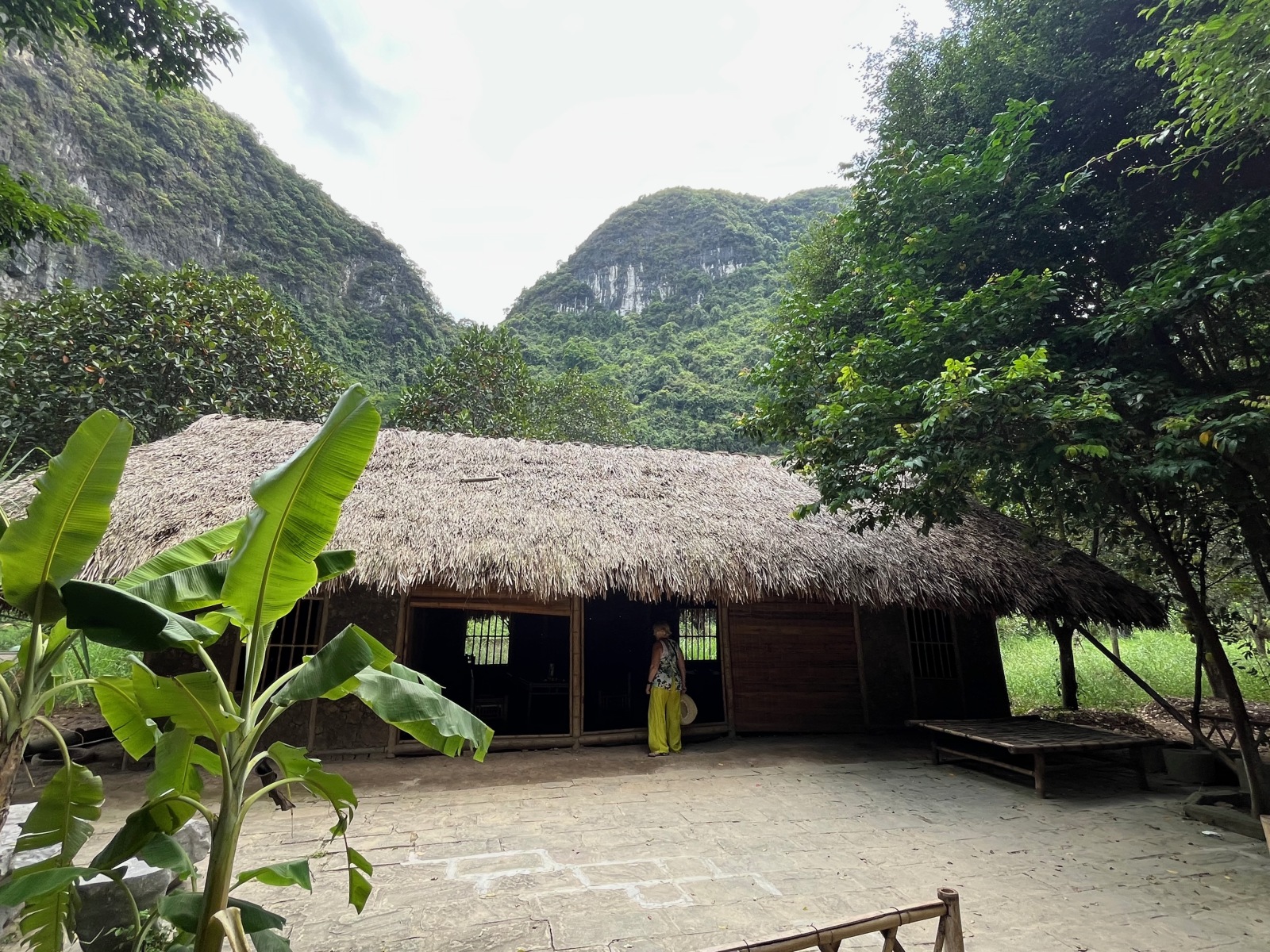
The other-worldly landscape has attracted film makers, including the film ‘Kong: Skull Island’. Director Jordan Vogt Roberts said he selected Tràng An early because he wanted the island to feel “tactile, tangible” rather than CGI. He emphasized that the actual landscapes—especially Tràng An—played a key role in that vision. He praised its “raw, powerful and unspoiled beauty”—qualities he felt hadn’t been fully showcased on screen before. He wasn’t wrong. Visitors can still see some of the set that was built for the movie.

Travelling through the caves was magical:
Here’s collection of some of the photos we took in this remarkable place:
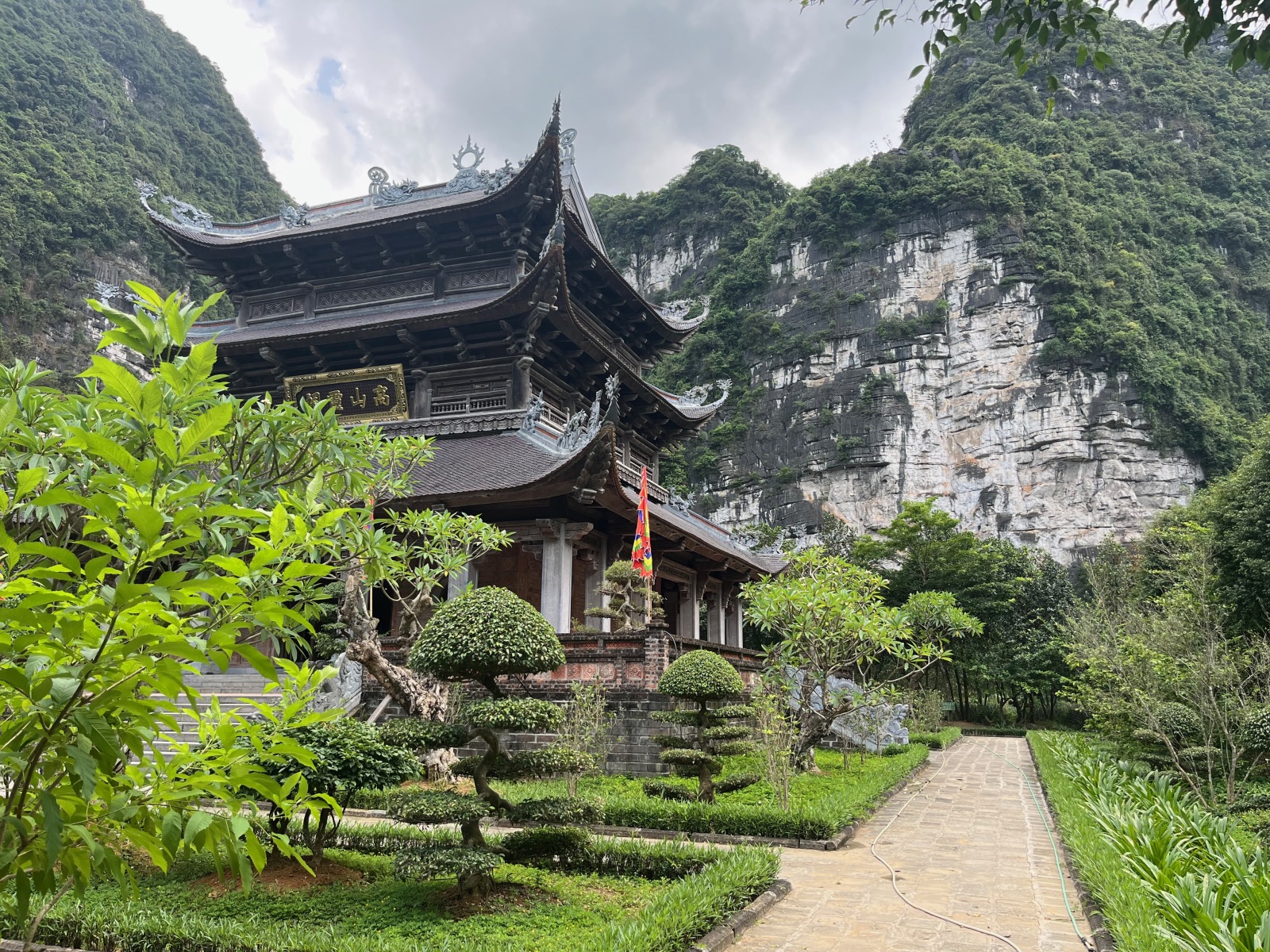
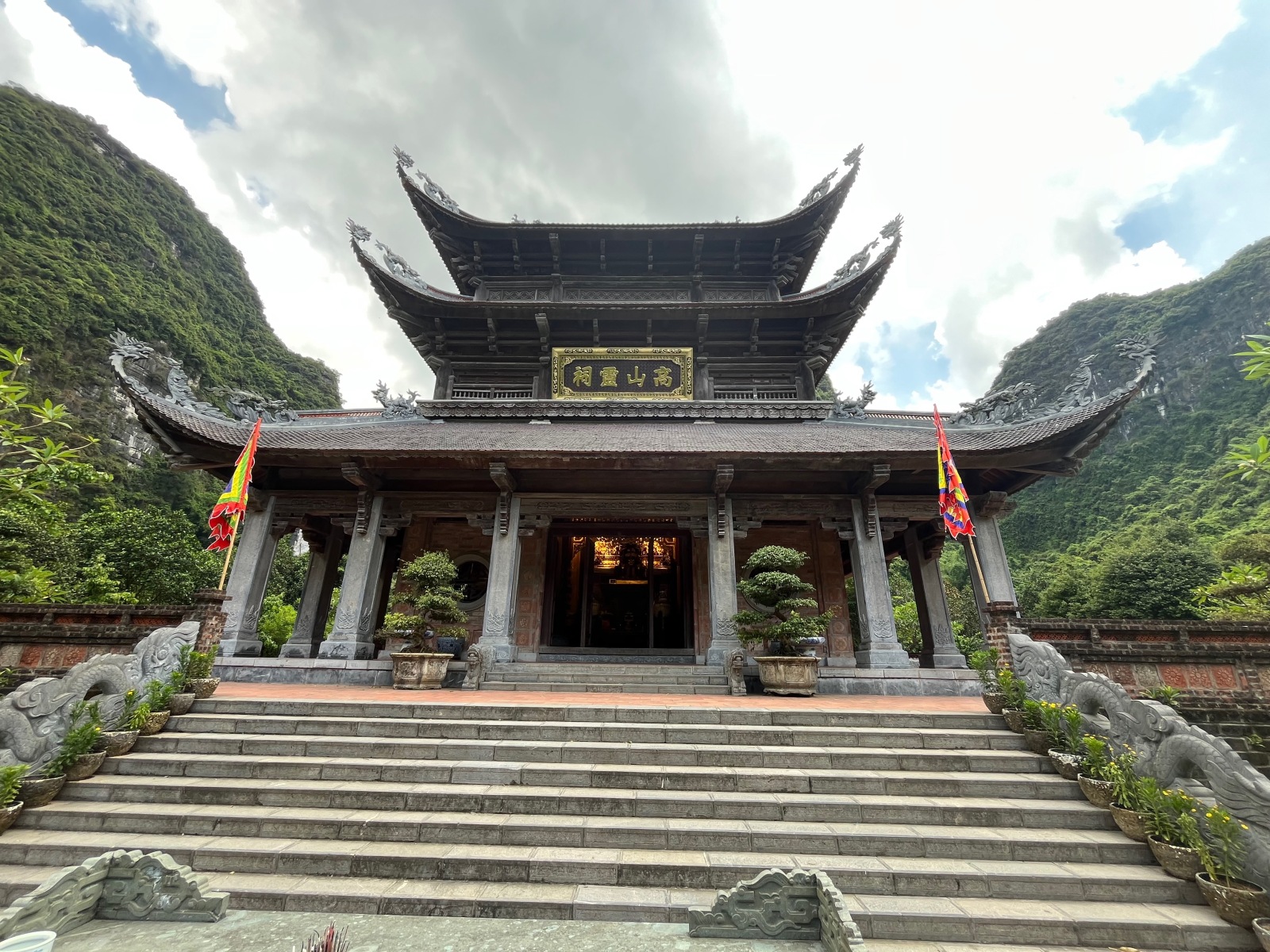
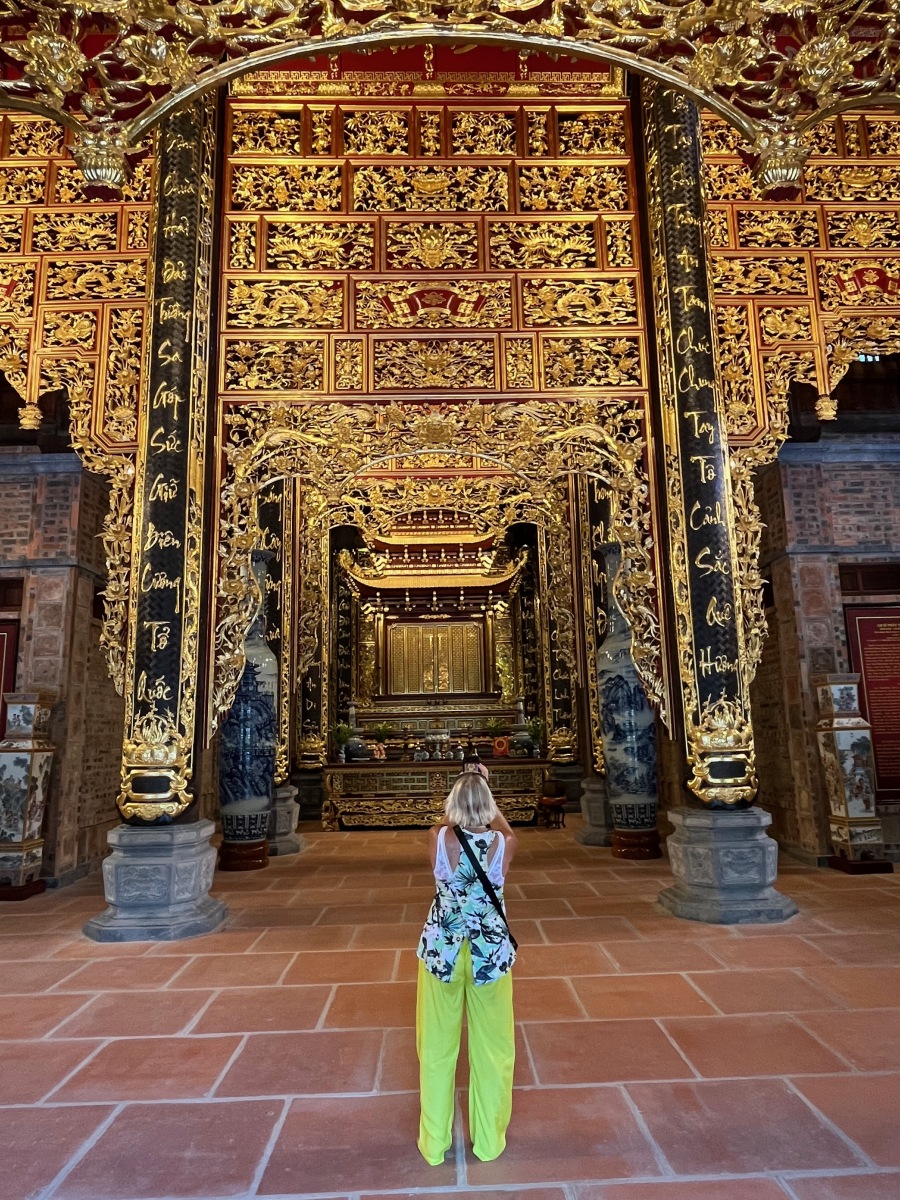
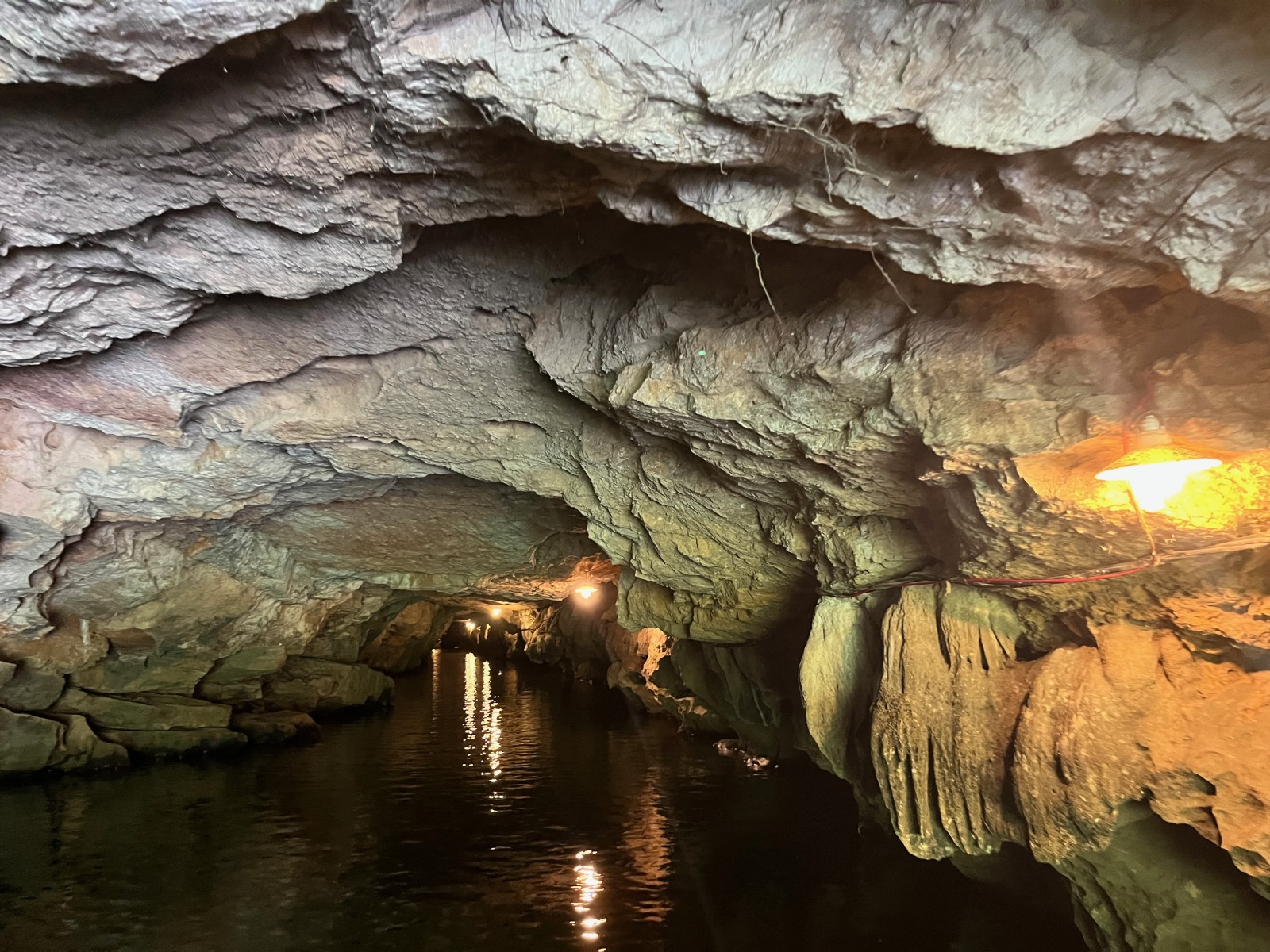
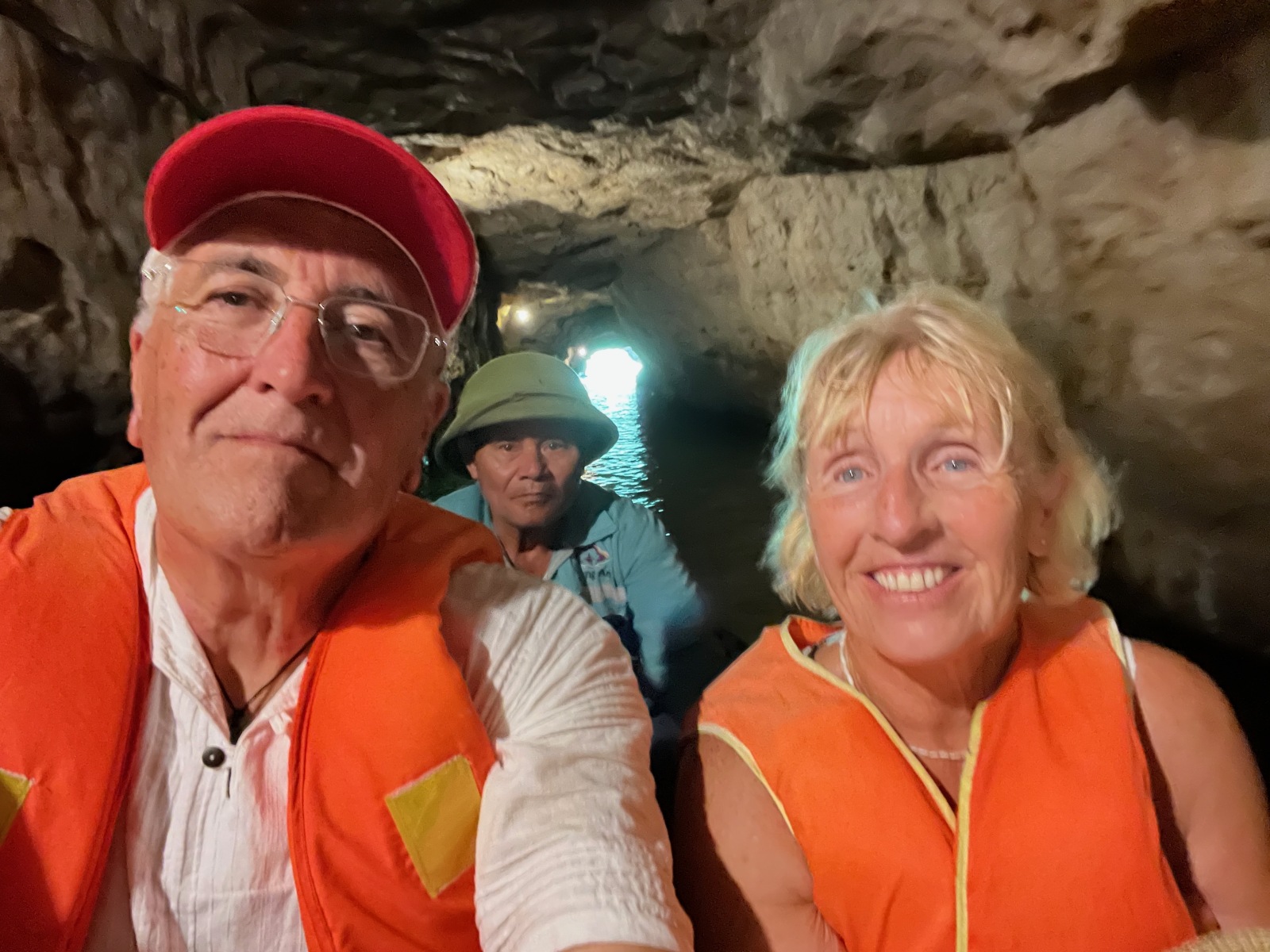
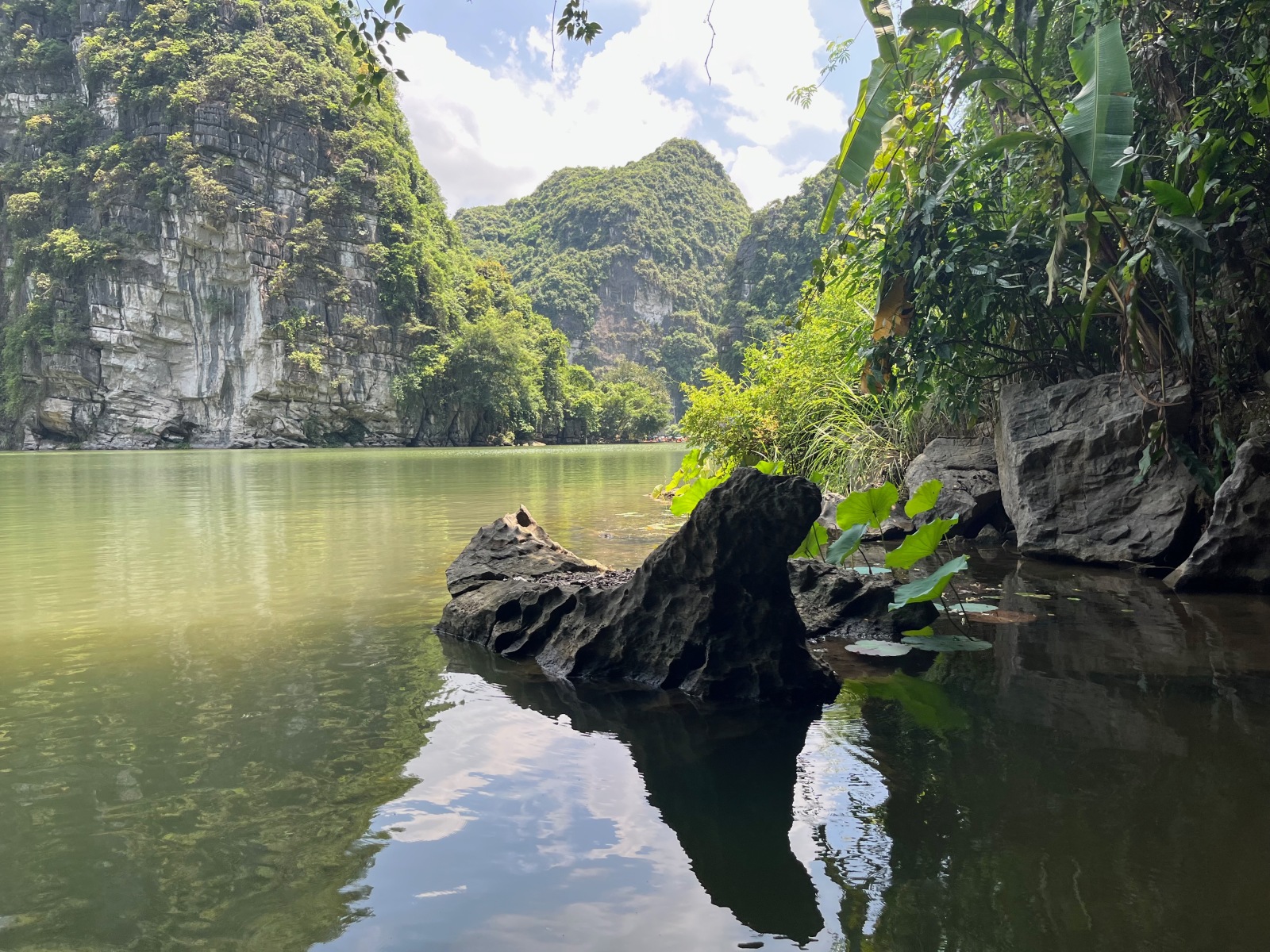
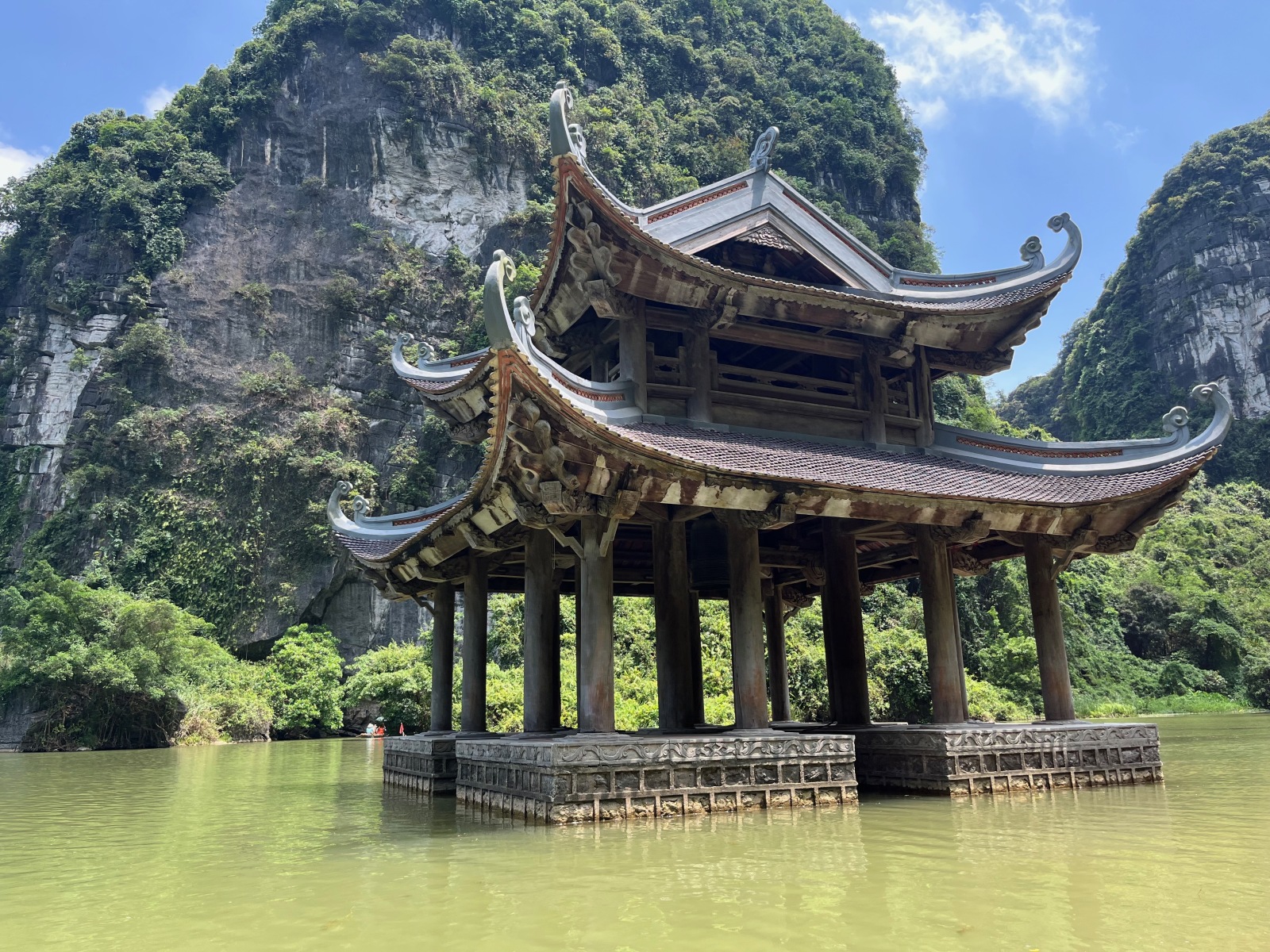
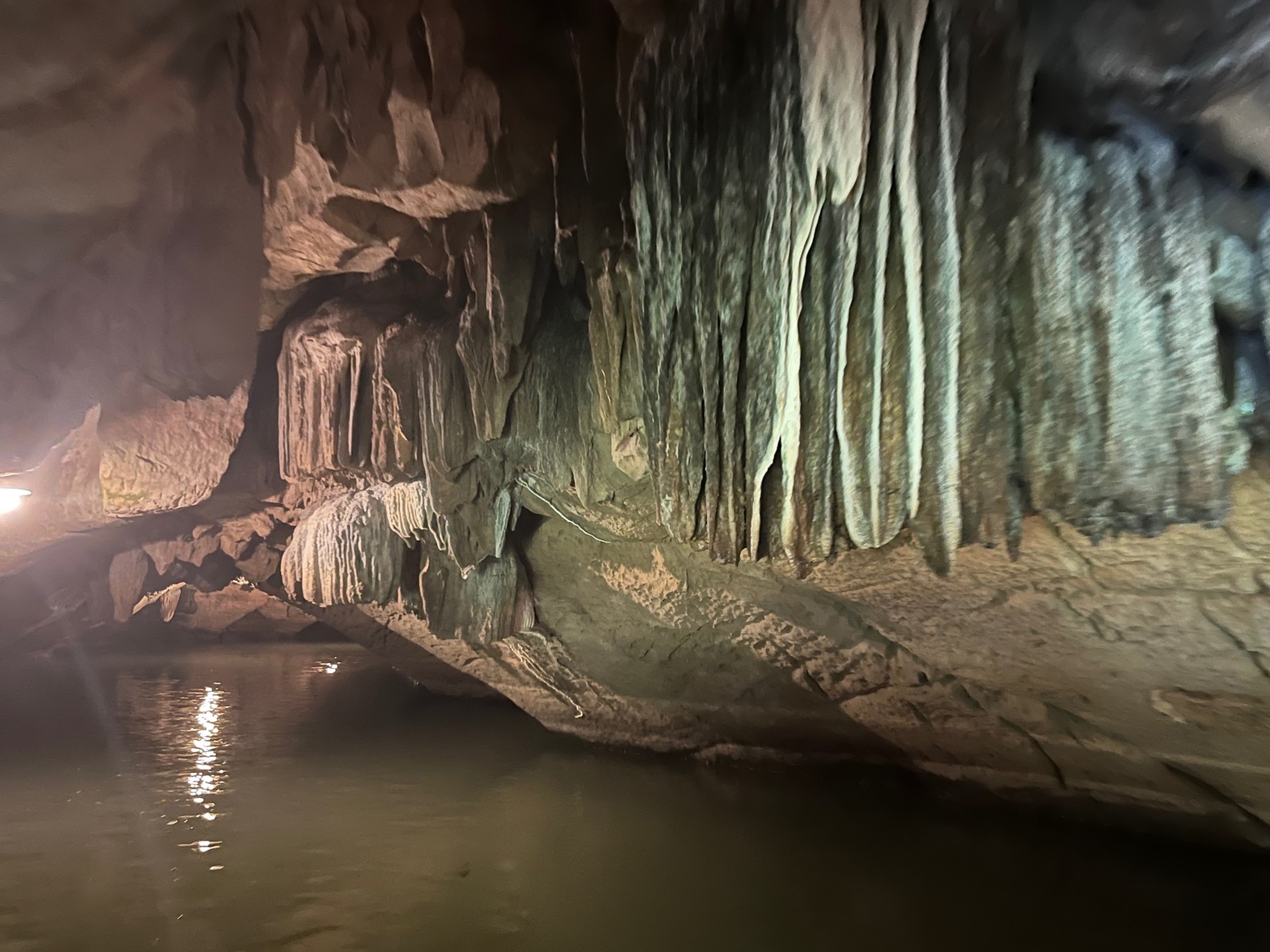
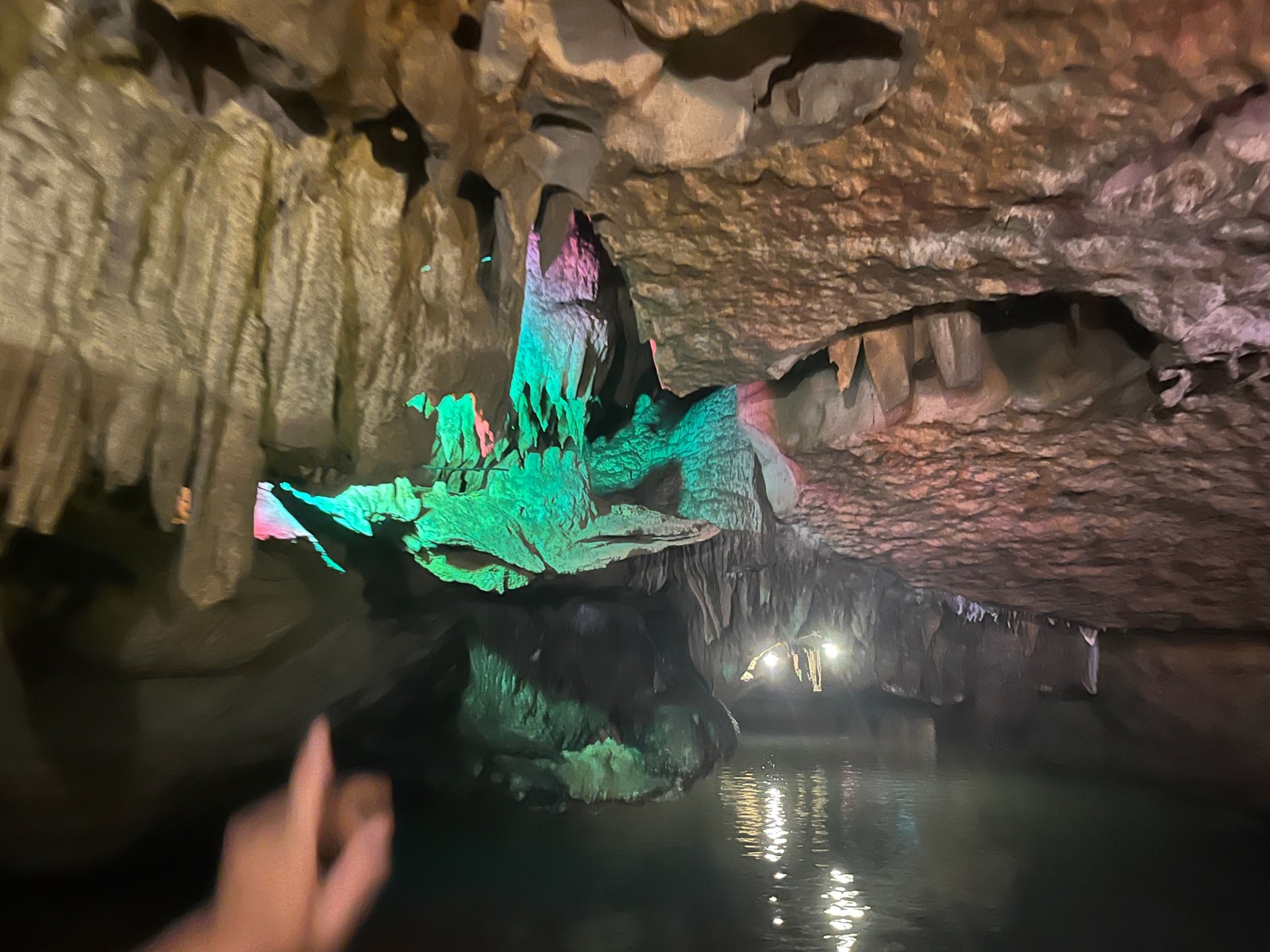
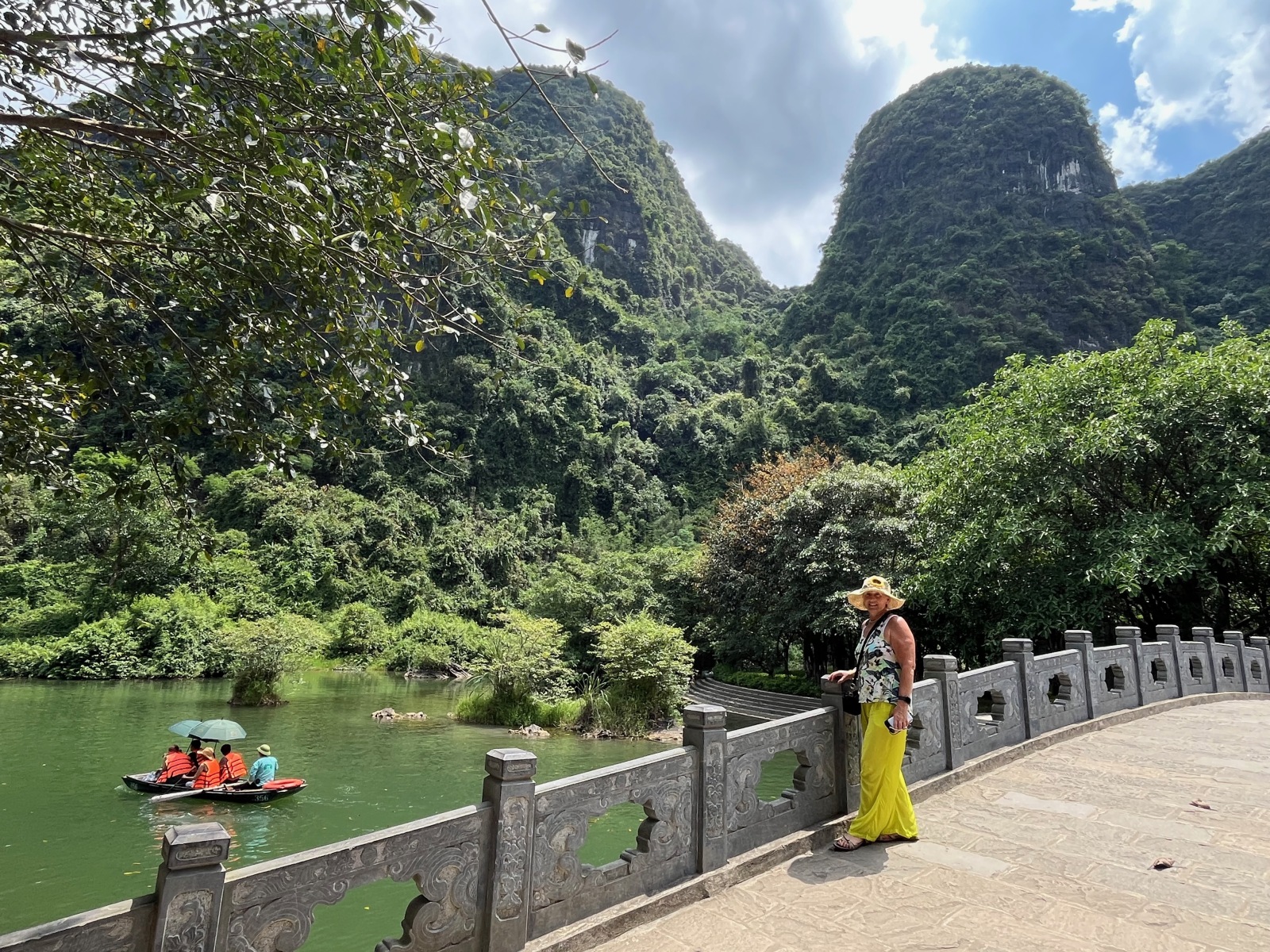
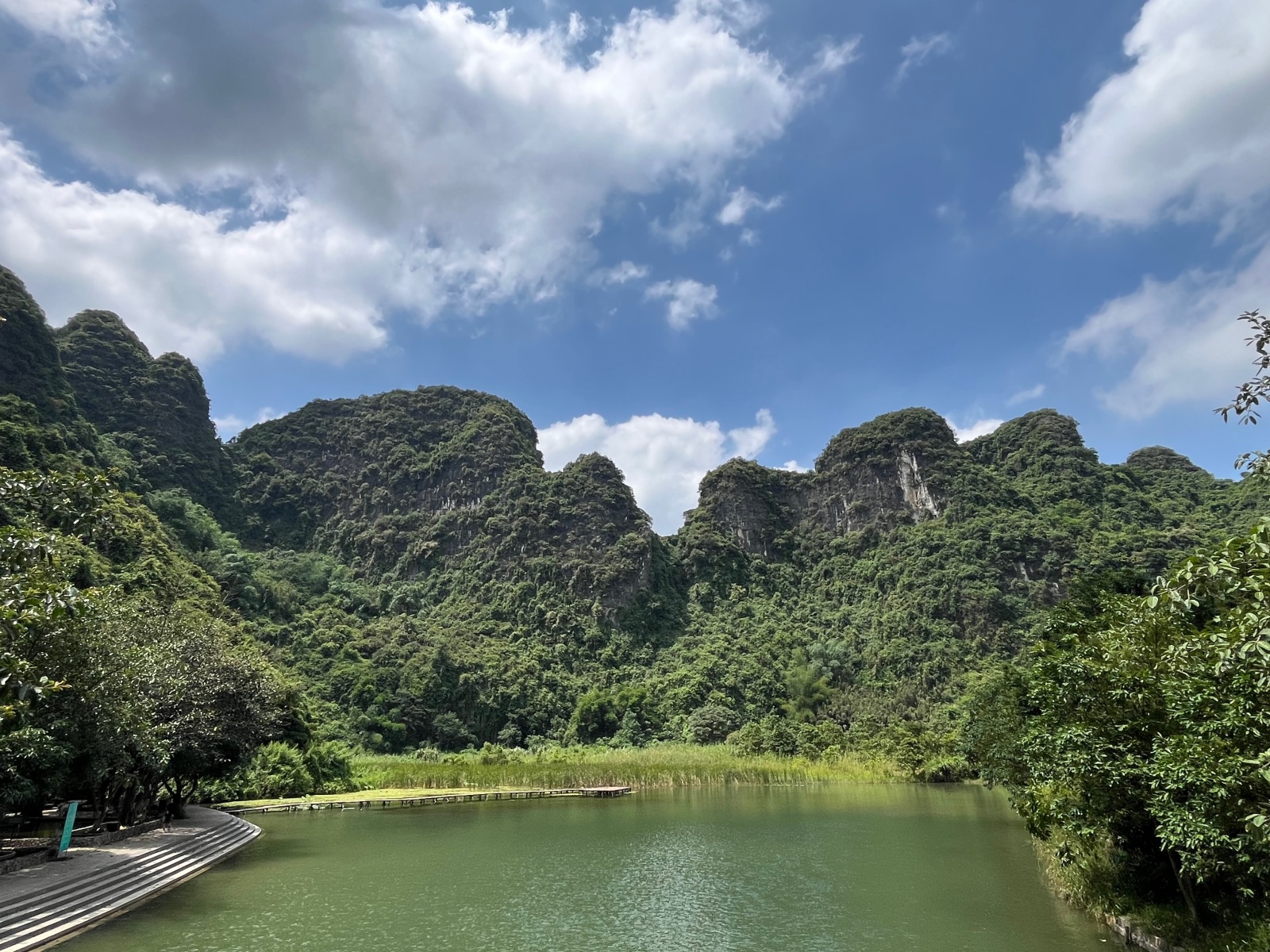
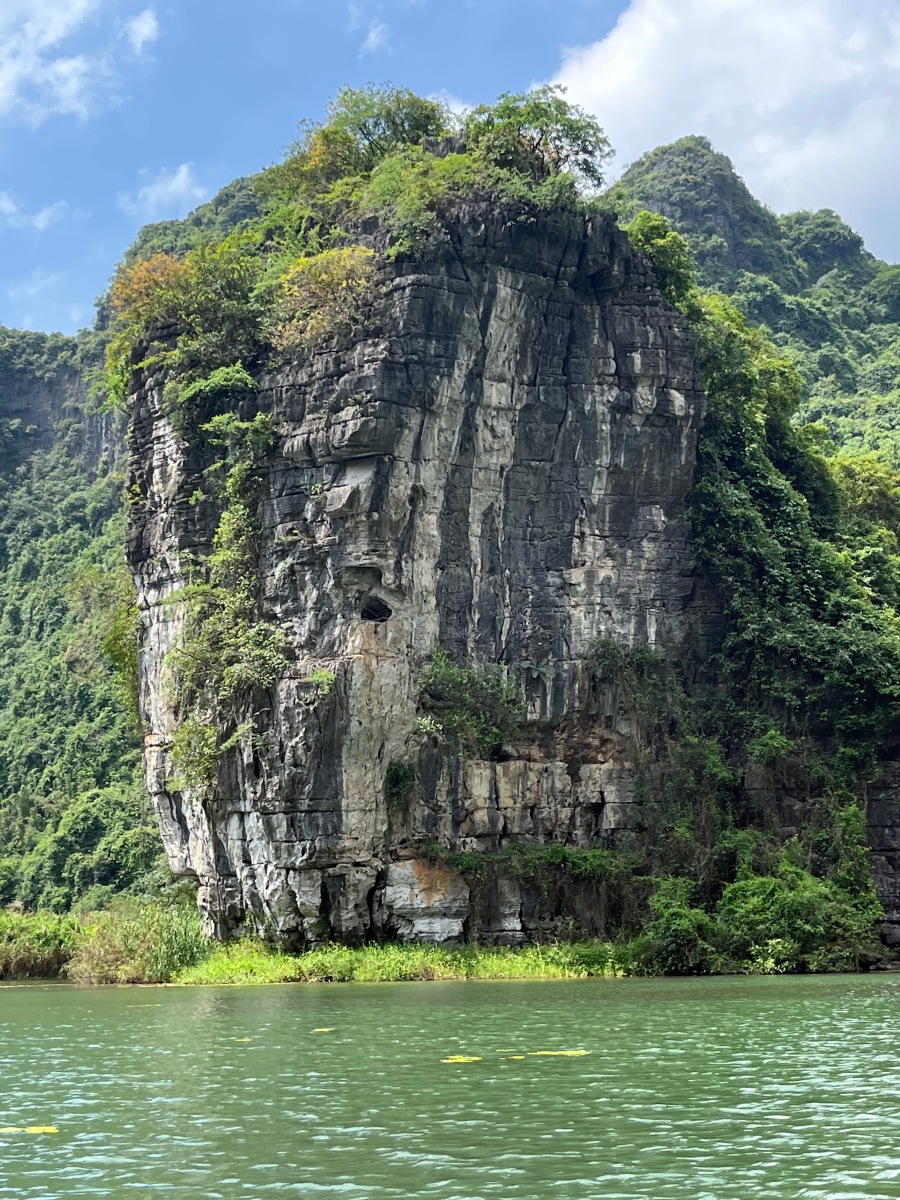
We had a little time left, so our lovely driver suggested a quick visit to Hoa Lư, the ancient capital in Ninh Bình province. Hoa Lư served as the political, economic, and cultural heart during the Đinh and Early Lê dynasties before Emperor Lý Công Uẩn moved the capital to Thăng Long (present-day Hanoi) in 1010. It is a little humbling to see how advanced the civilisation was compared to Britain, which was just emerging from the dark ages at the time.
It’s a large area, with some fascinating old buildings:

And Annette got to feed the giant fish in the Imperial Fish Ponds:

And best of all, we met up with a young teacher who had a class of 9 and 10 year olds with her who were learning English. We got chatting with her and it turned utterly she’d spent a couple of years in Canberra so we spent some time with the kids answering their questions which ranged from ‘what is your favourite Vietnamese food’, to ‘how old are you’. A lovely end to a memorable day.

