Our final day in Siem Reap was derailed slightly when the ATM swallowed my credit card and promptly went offline. Speaking to the nice lady at the bank, she said it would be destroyed when they finally rescued it so that was that… so I am now a kept man, courtesy of Annette…
The plan was to visit the Fair Trade Market in Siem Reap – and it was worth the walk. Beautiful handcrafted goods but what sets them apart is that the people who make them get paid properly for their work.


The hotel gave us a late checkout so we were able to blob by the pool for a couple of hour before heading to Siem Reap airport – or to give it its proper name, Angkor International Airport. It’s very new and shiny and run by a Chinese company, with one of the longest runways in Asia at more than 3.5km. While we only saw two aircraft all the time we were there, the plan is to expand to 20 million passengers by 2050. A giant golden replica of the mysterious faces at Angkor Thom dominates the departures area.
Vietnam Airlines VN836 was pretty empty and in just 90 minutes we were whizzing through Hanoi’s International airport (thanks to booking a fast track through immigration) and soon on our way to our hotel.

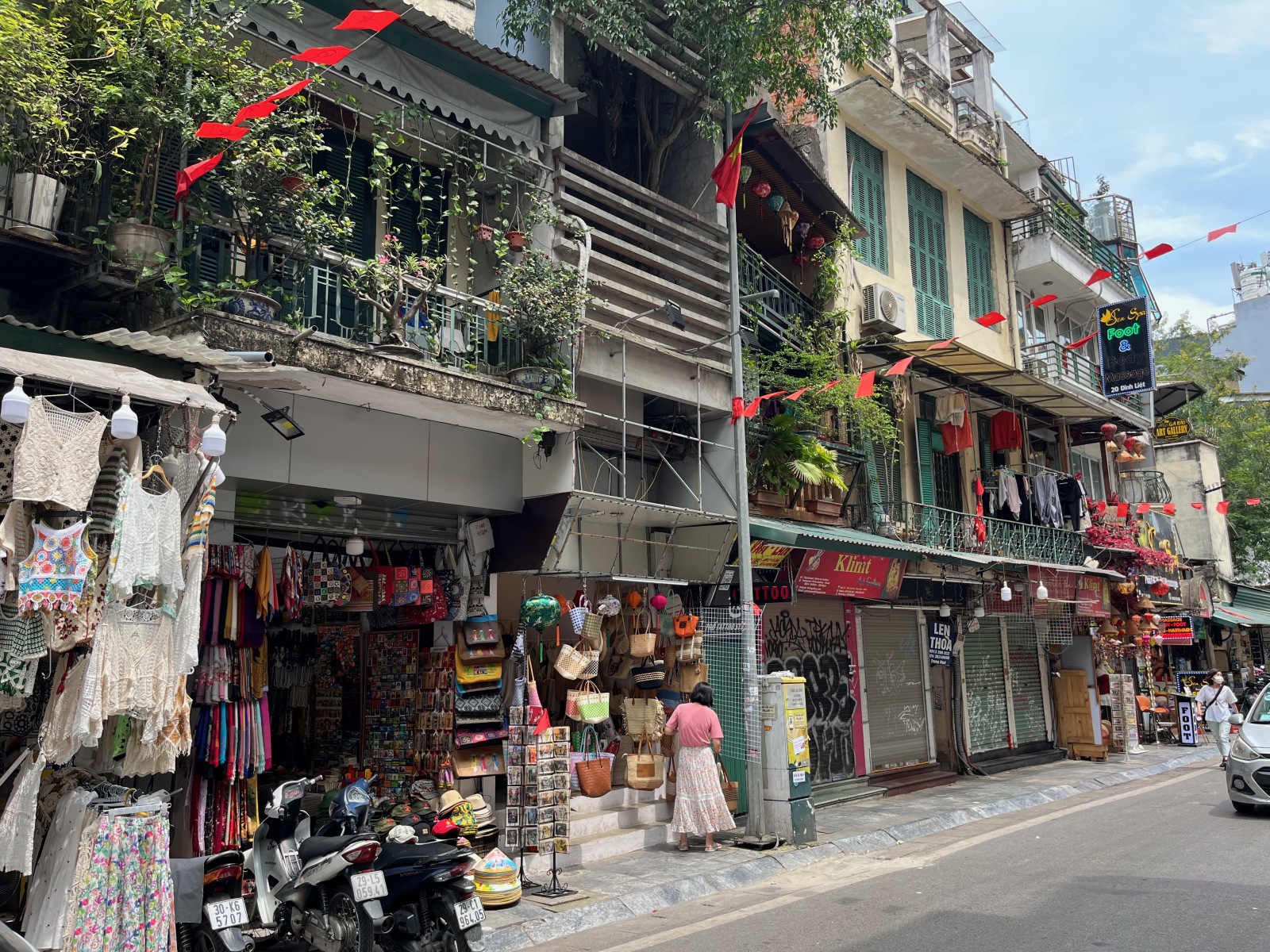
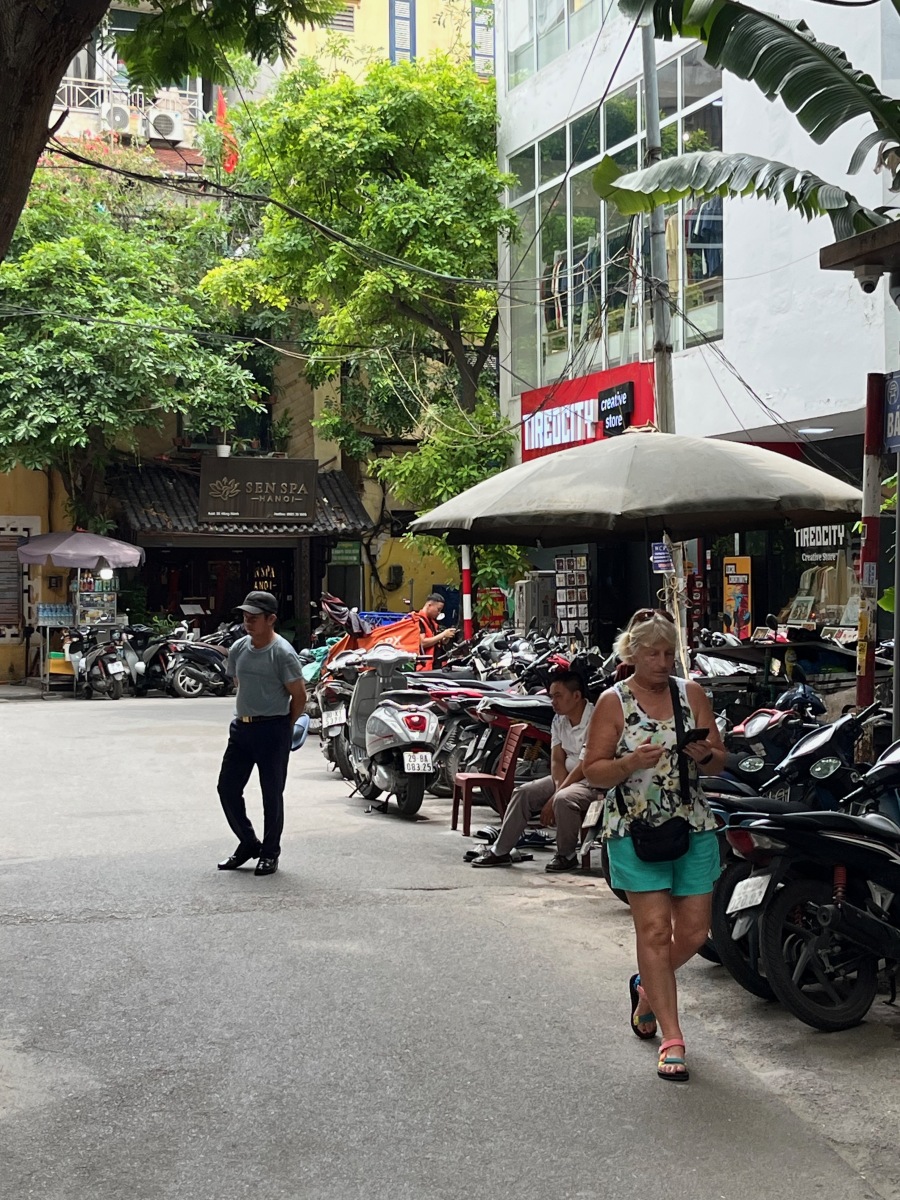
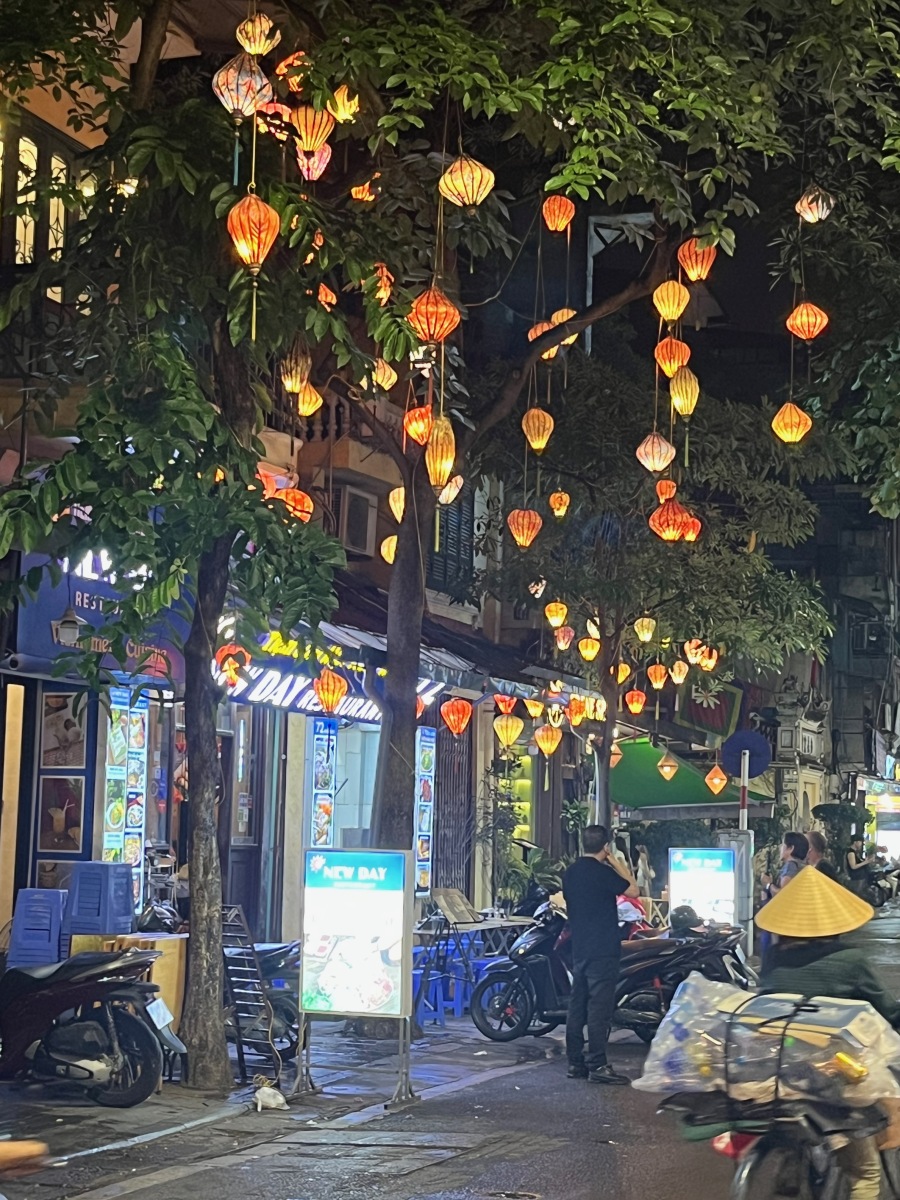
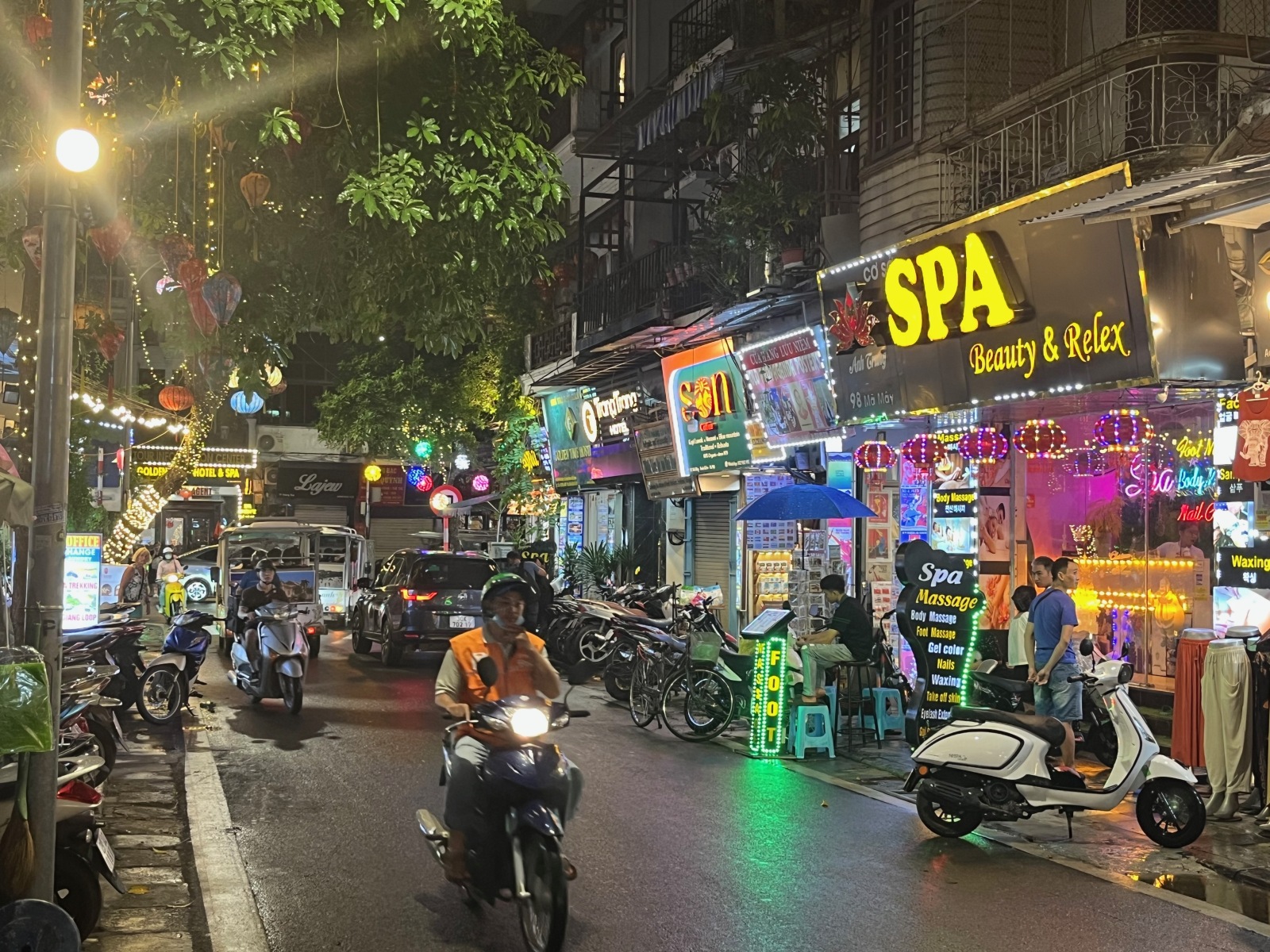
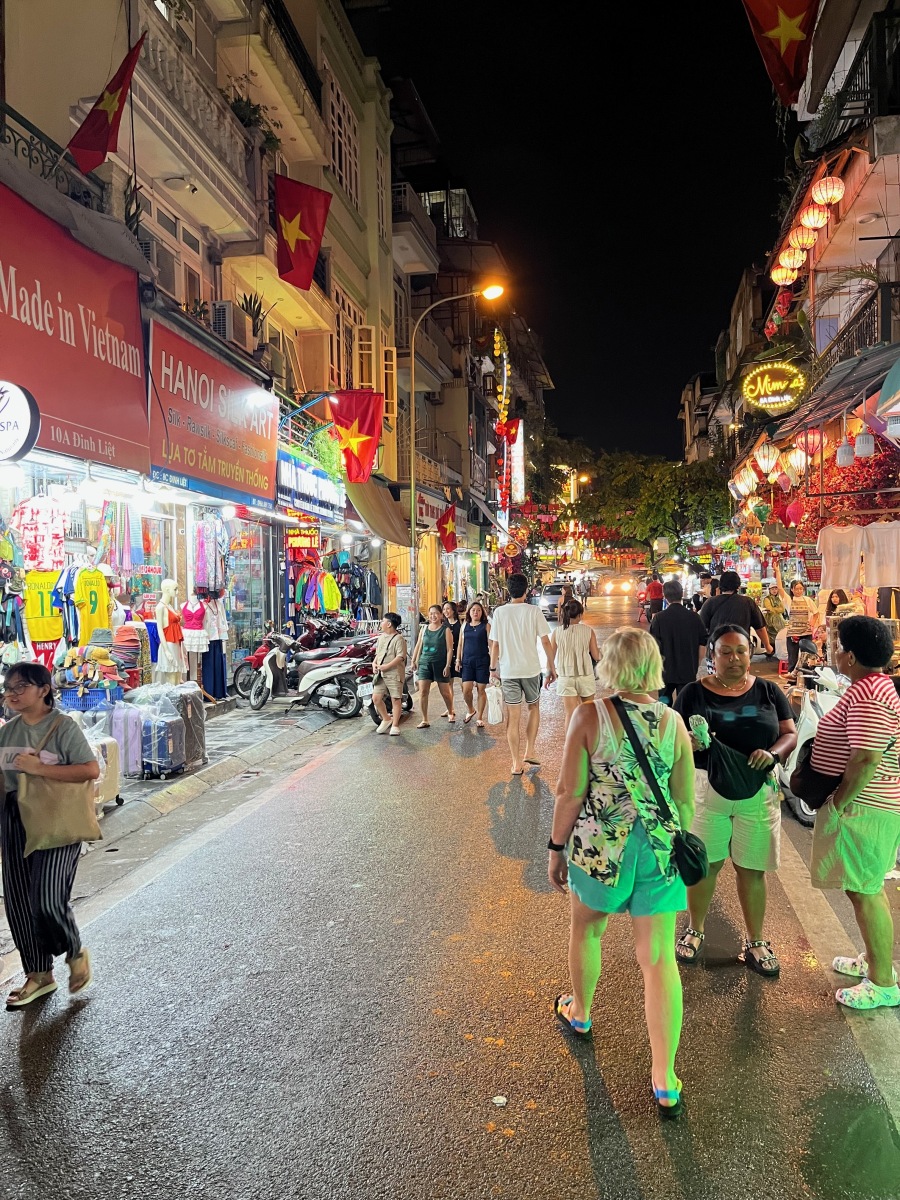
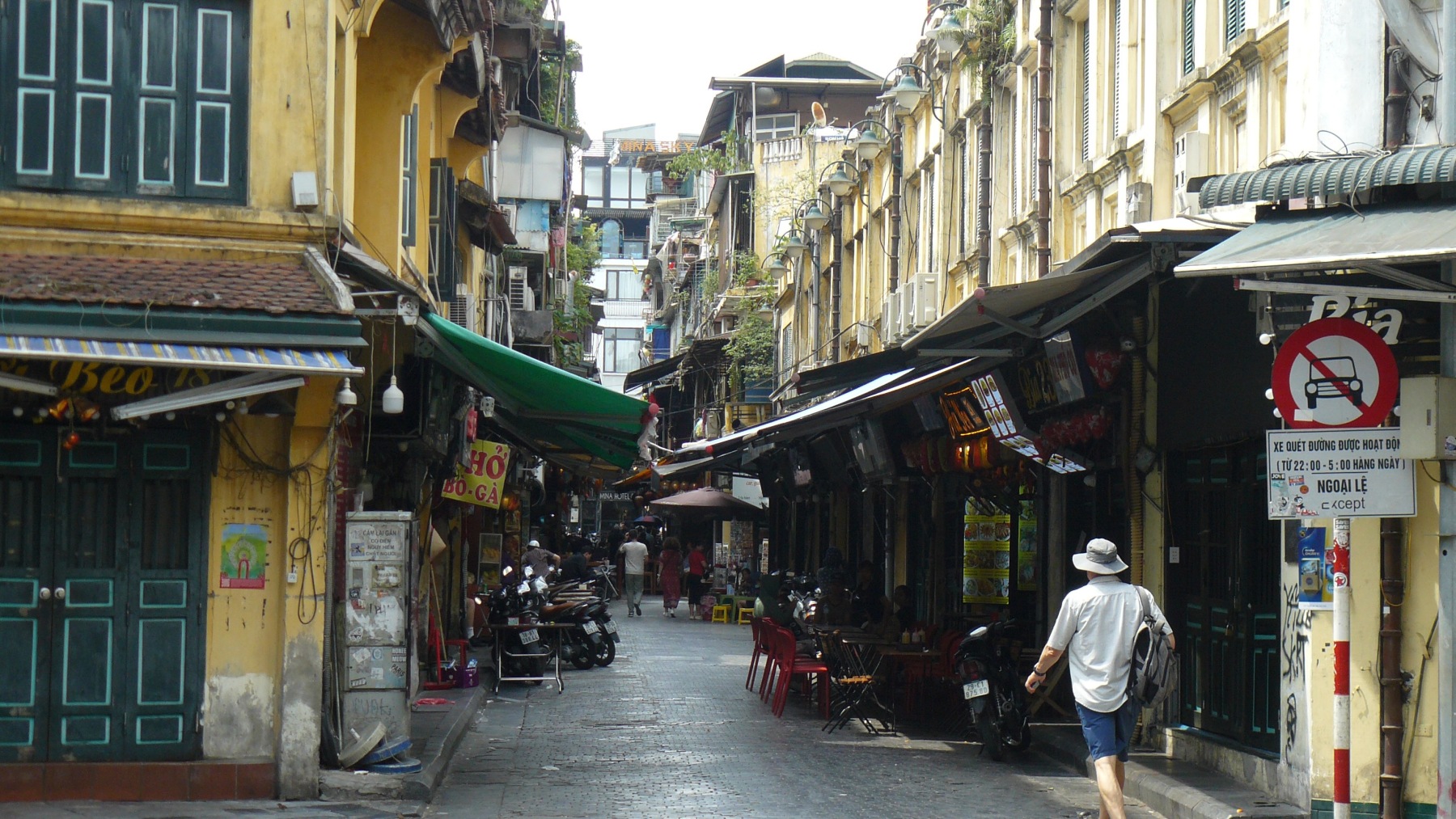
The hotel is right in the Old Quarter of Hanoi and even in the short time it took to get out of the taxi and into the hotel reception it was obviously a pretty vibrant area.
Our room is at the back of the hotel with a view across the city (left) which means we don’t get the noise from the party animals in the bars in the street. So we fell into bed, ready to hit the streets of Hanoi next morning.
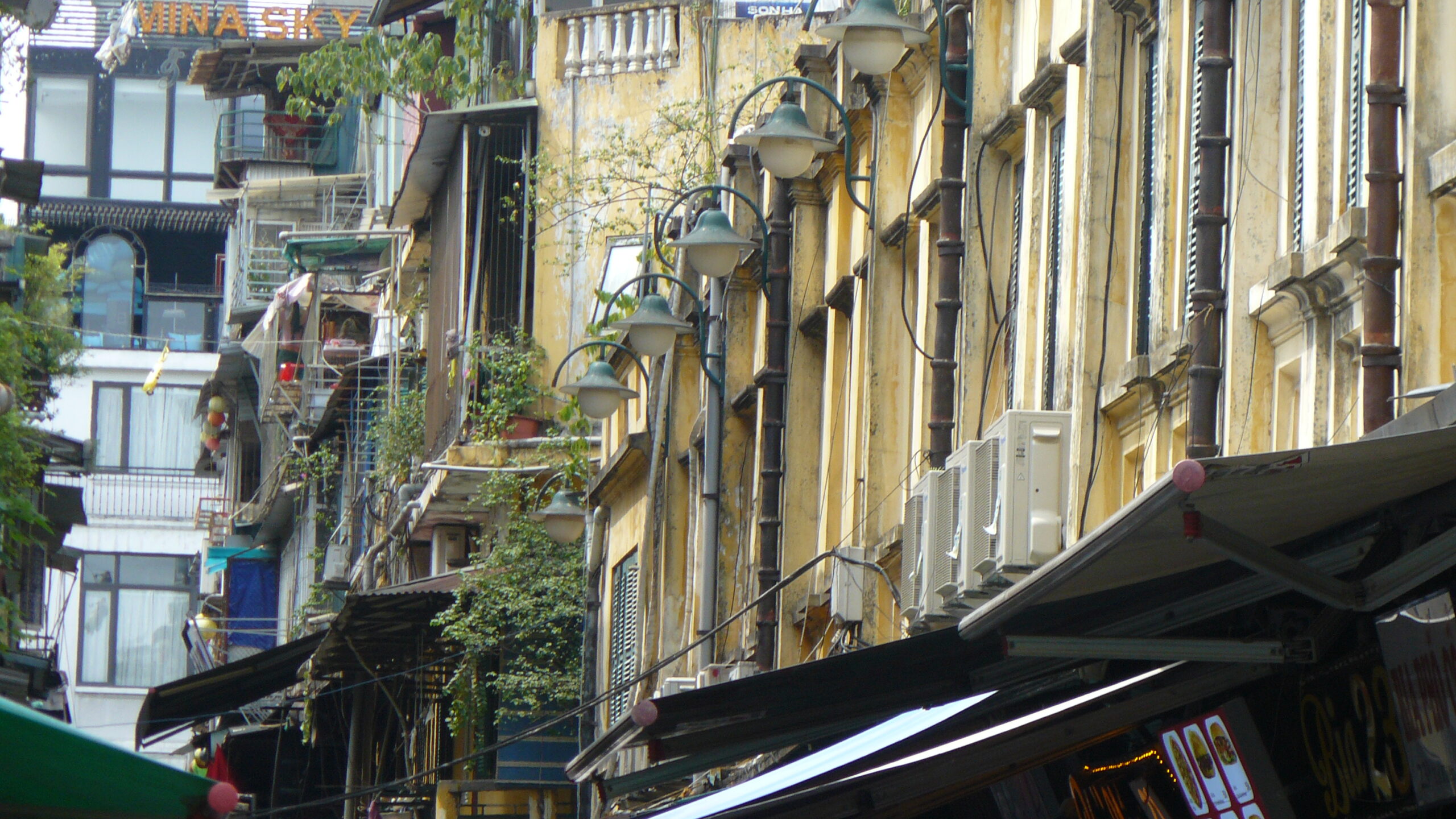
The Old Quarter is the historic heart of Vietnam’s capital and one of the most atmospheric places in the country. Located near Hoàn Kiếm Lake, this bustling neighbourhood is a maze of narrow streets, colonial-era buildings, temples, street markets, and local eateries, offering a fascinating blend of old-world charm and everyday urban life.

The Old Quarter dates back over 1,000 years to when Hanoi (then called Thăng Long) was the imperial capital. Traditionally, each street specialised in a particular trade or craft, which is why many still begin with “Hàng” (meaning “merchandise” or “shop”), like Hàng Bạc (silver), Hàng Gai (silk), or Hàng Mã (paper goods). Today, many streets still group shops together – there’s even a street of opticians which was our first port of call, as my glasses were hopelessly out of date. My eyes were tested and, sure enough, the prescription had changed dramatically. They promised they’d have them made within a few hours and sure enough, by 3pm – less than five hours later – I was wearing them. And for less than half the price of something similar is Specsavers. And they took such good care to make sure everything was right, it was an excellent experience.
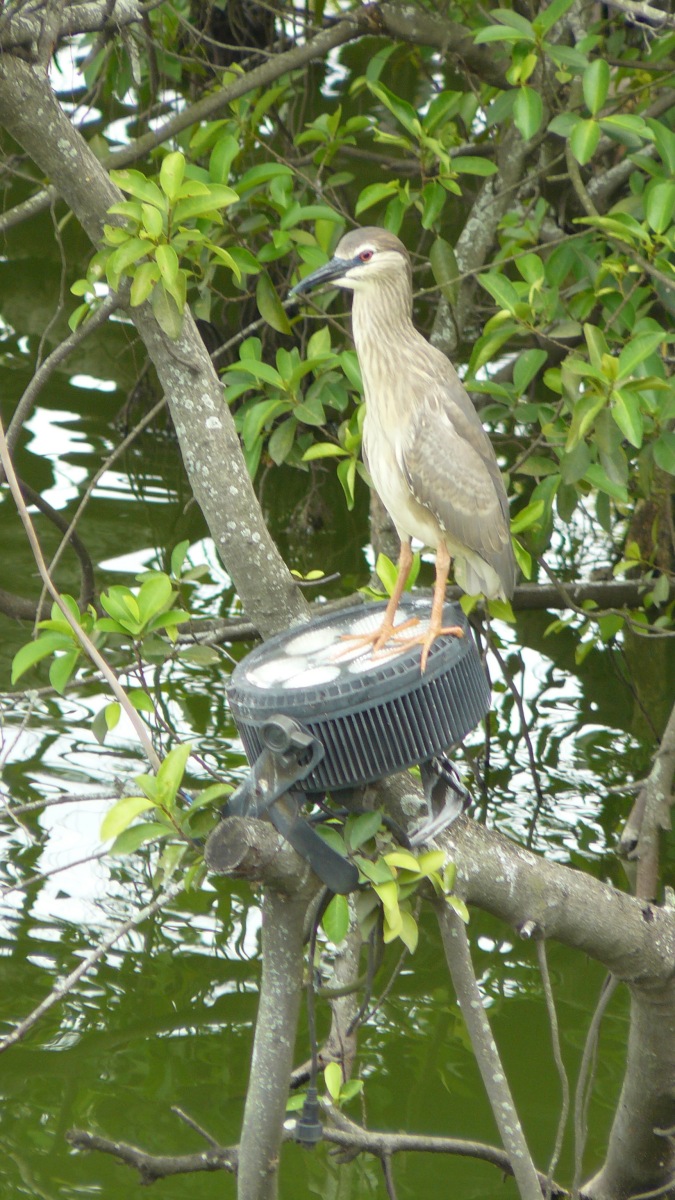
In the centre of the Old Quarter is Hoàn Kiếm Lake. Its name means “Lake of the Returned Sword”, rooted in a famous legend that blends myth, patriotism, and Vietnamese identity. According to legend, during the 15th century, Emperor Lê Lợi was given a magical sword by the gods to help him defeat Chinese invaders. After winning the war and reclaiming Vietnamese independence, he was boating on the lake when a giant golden turtle surfaced and took the sword back to the depths—returning it to its divine owners.

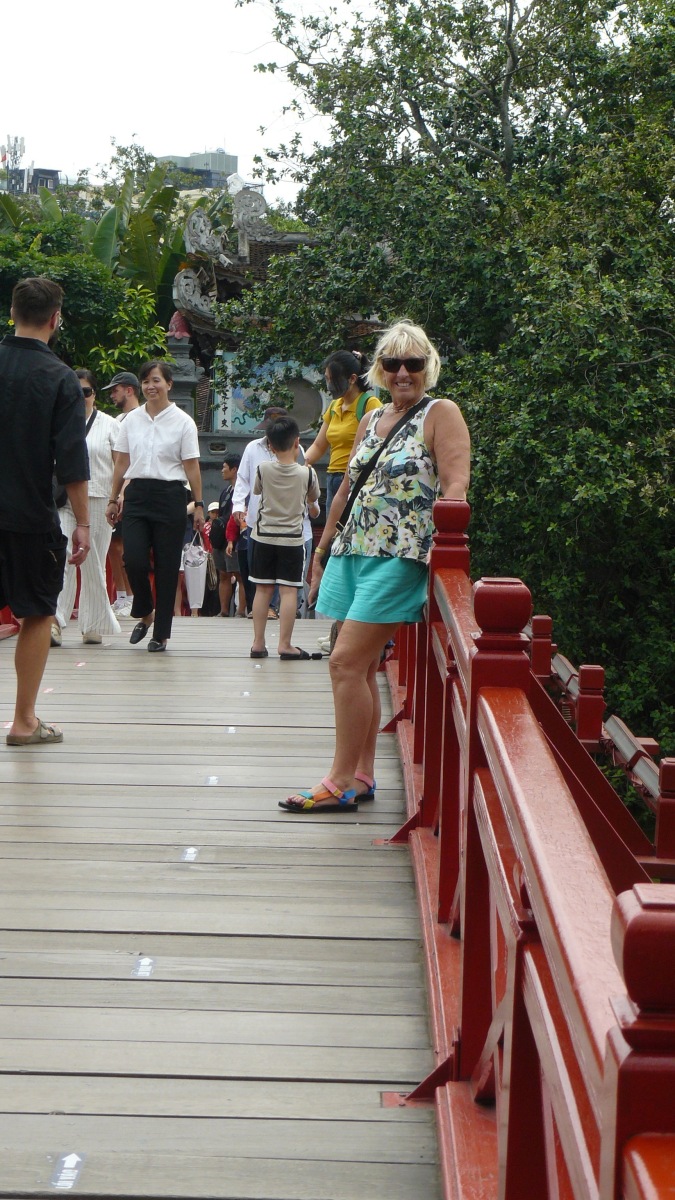
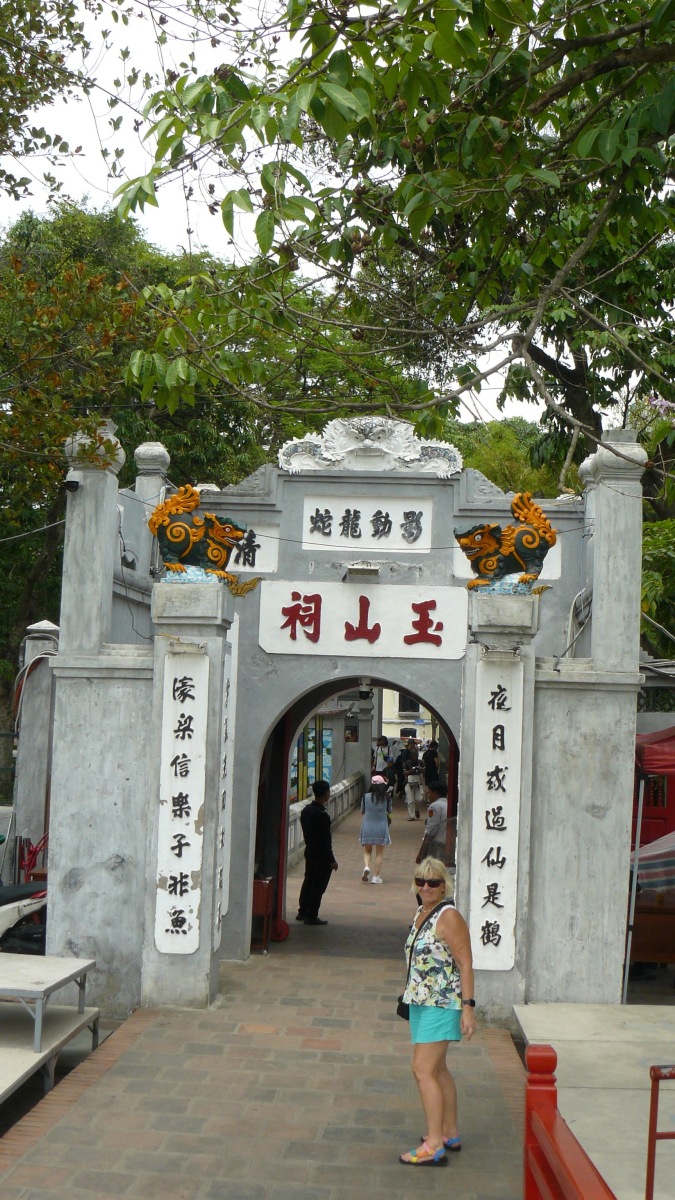
A bright red bridge (Thê Húc Bridge, or Morning Sunlight Bridge) connects the Confucian Ngọc Sơn Temple, which is on a small island in the lake. It’s dedicated to General Trần Hưng Đạo, a national hero who repelled Mongol invasions in the 13th century.

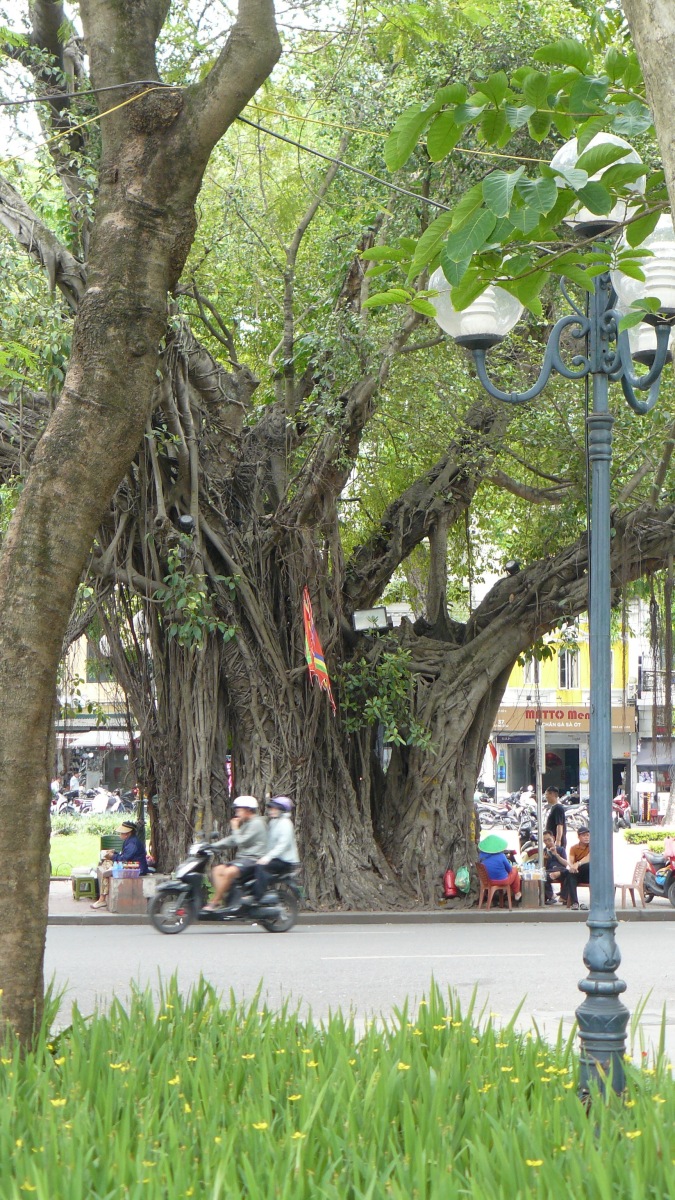
The streets around the lake are closed to traffic on weekends, transforming the area into a pedestrian-only zone full of music, food stalls, and community activities. Even on a weekday, like today, the 1.6km path around the lake is full of people enjoying a bit of peace and quiet.
Day or night, the streets of the Old Quarter are frantic, busy, crowded and full of character.