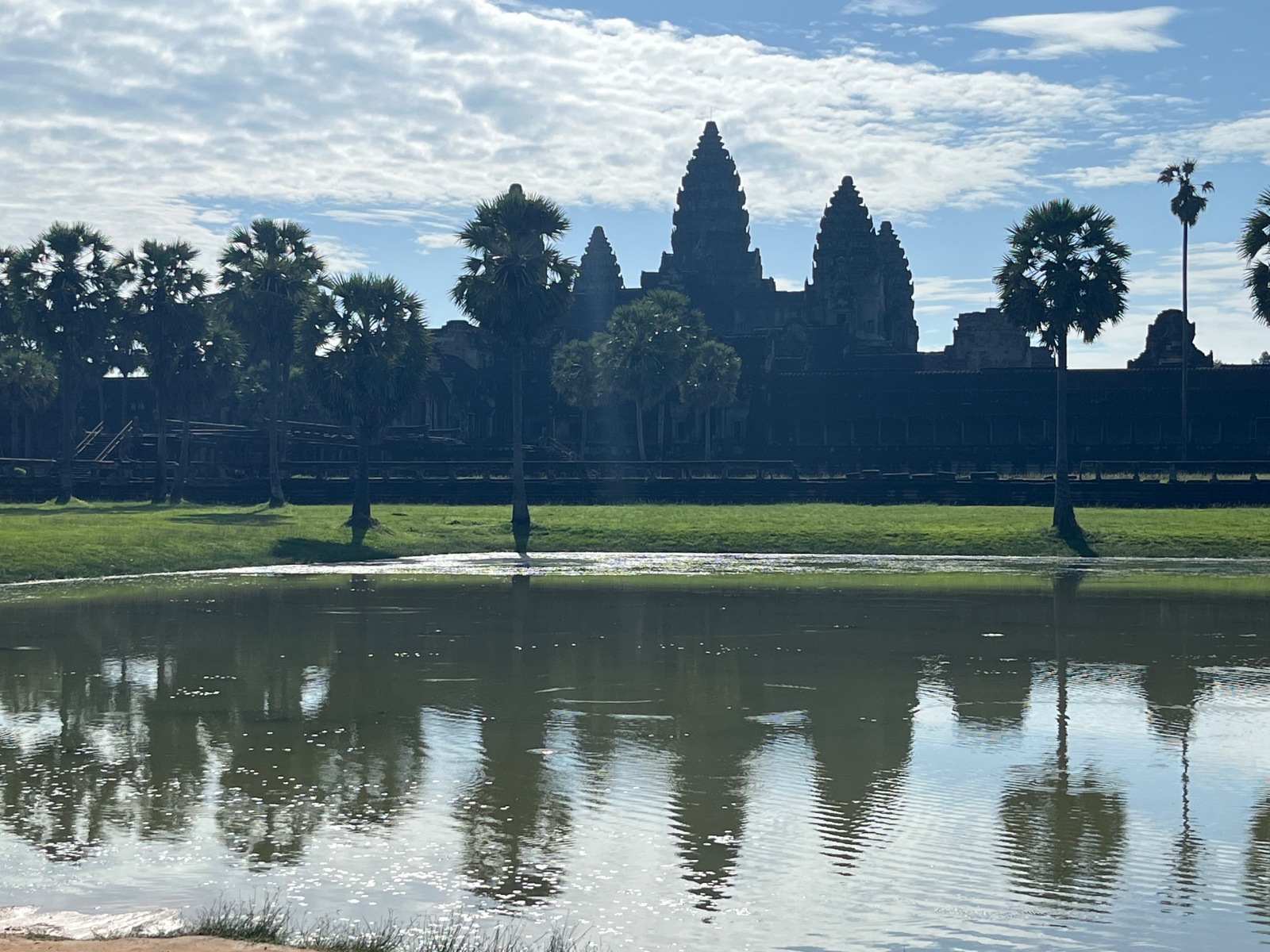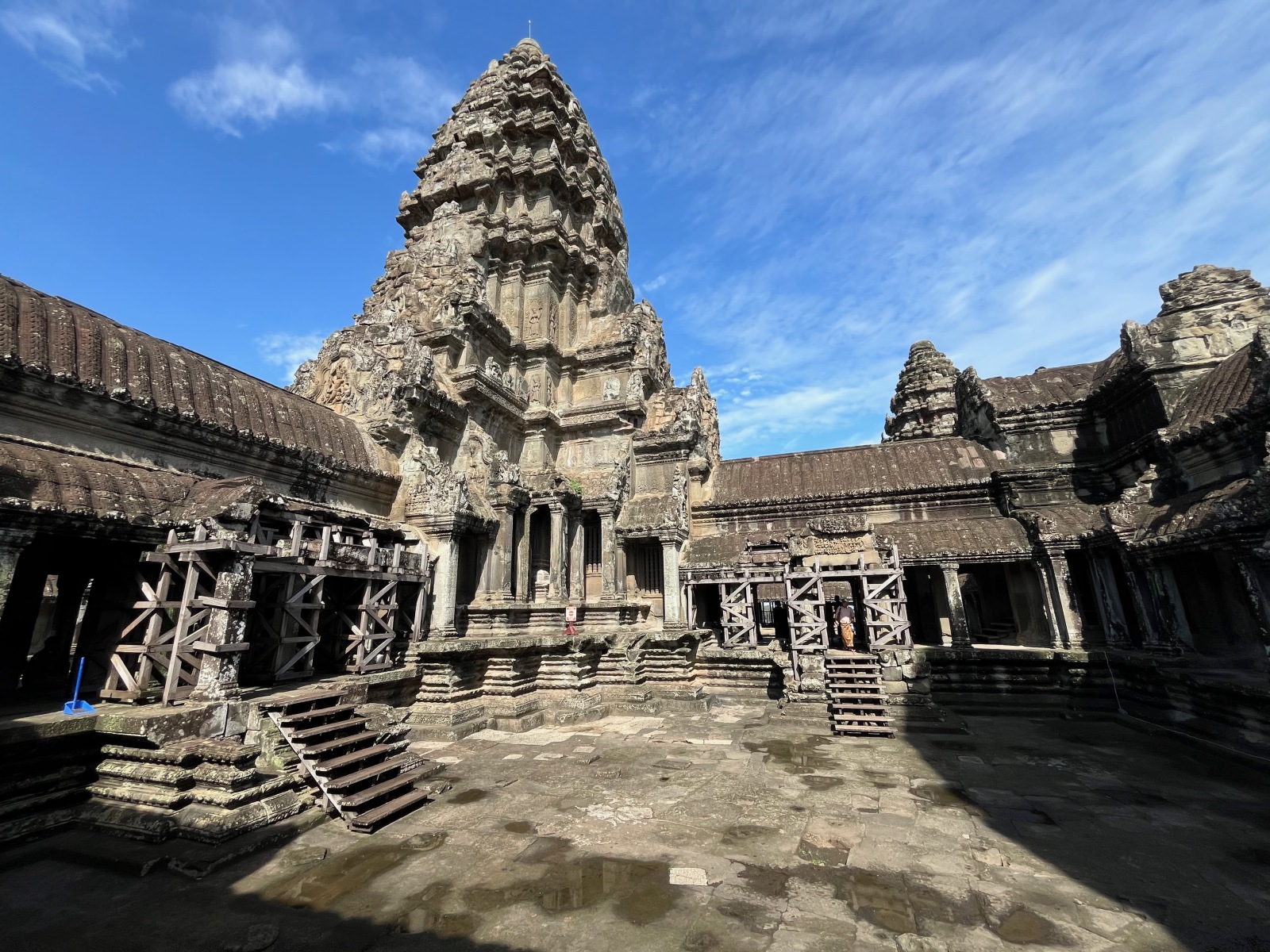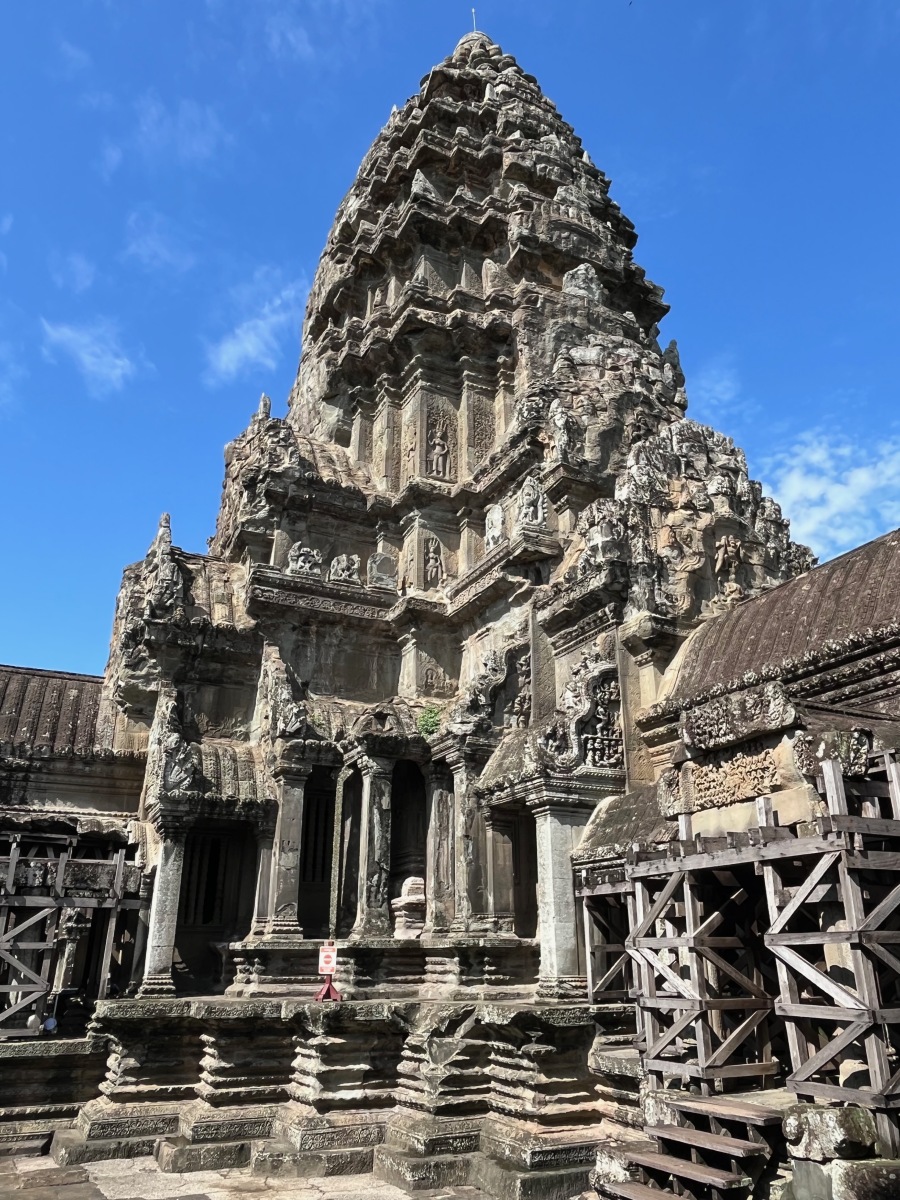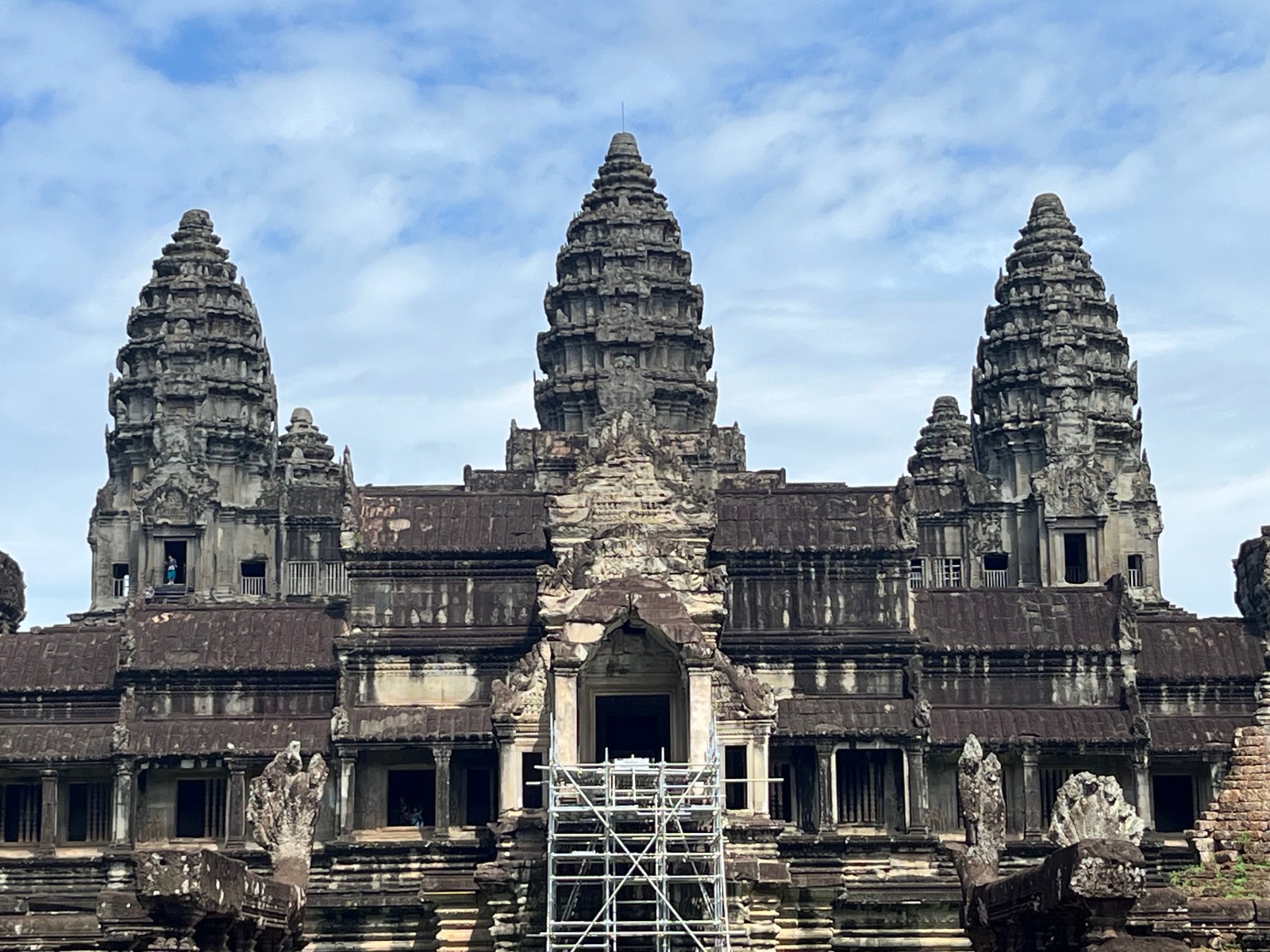
An early start (well, earlyish) for us today as we were going to visit the temples of Angkor Wat. Angkor Wat is the largest religious monument in the world and one of the most iconic and significant archaeological sites in Southeast Asia. Located near Siem Reap, Cambodia, it was originally built in the early 12th century by King Suryavarman II as a Hindu temple dedicated to Vishnu, but it gradually transformed into a Buddhist temple over time.
Our guide, Lucky, met us at the hotel and we set off in a Tuktuk to Angkor Wat, about 7km away. We had decided not to try to see the sunrise at Angkor, which everyone talks about. Lucky told us it gets horribly crowded, there’s no guarantee the sun wouldn’t be hidden by clouds and it’s surprisingly expensive. As it was, we arrived and there were no crowds and a lovely sunny day.

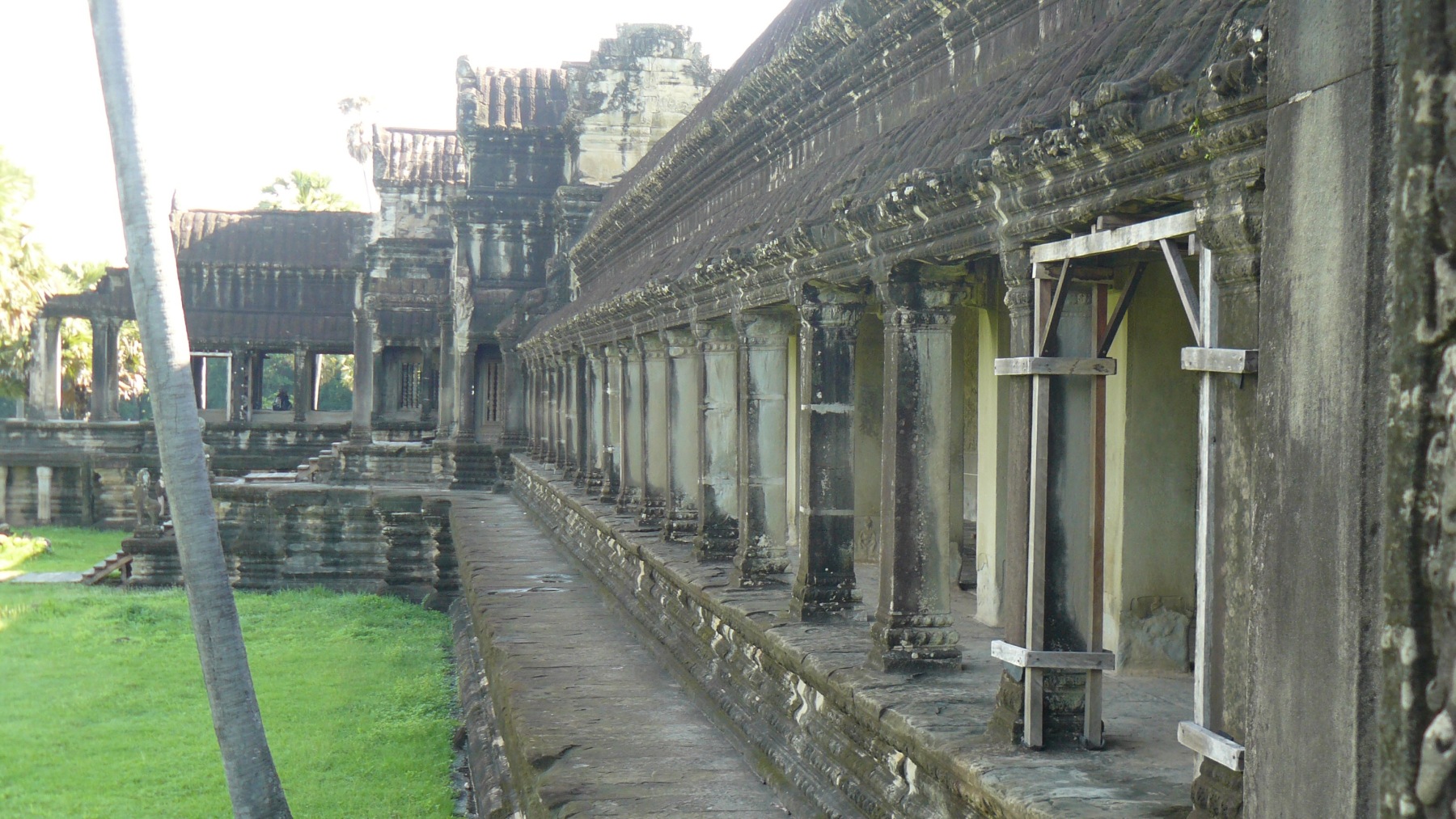
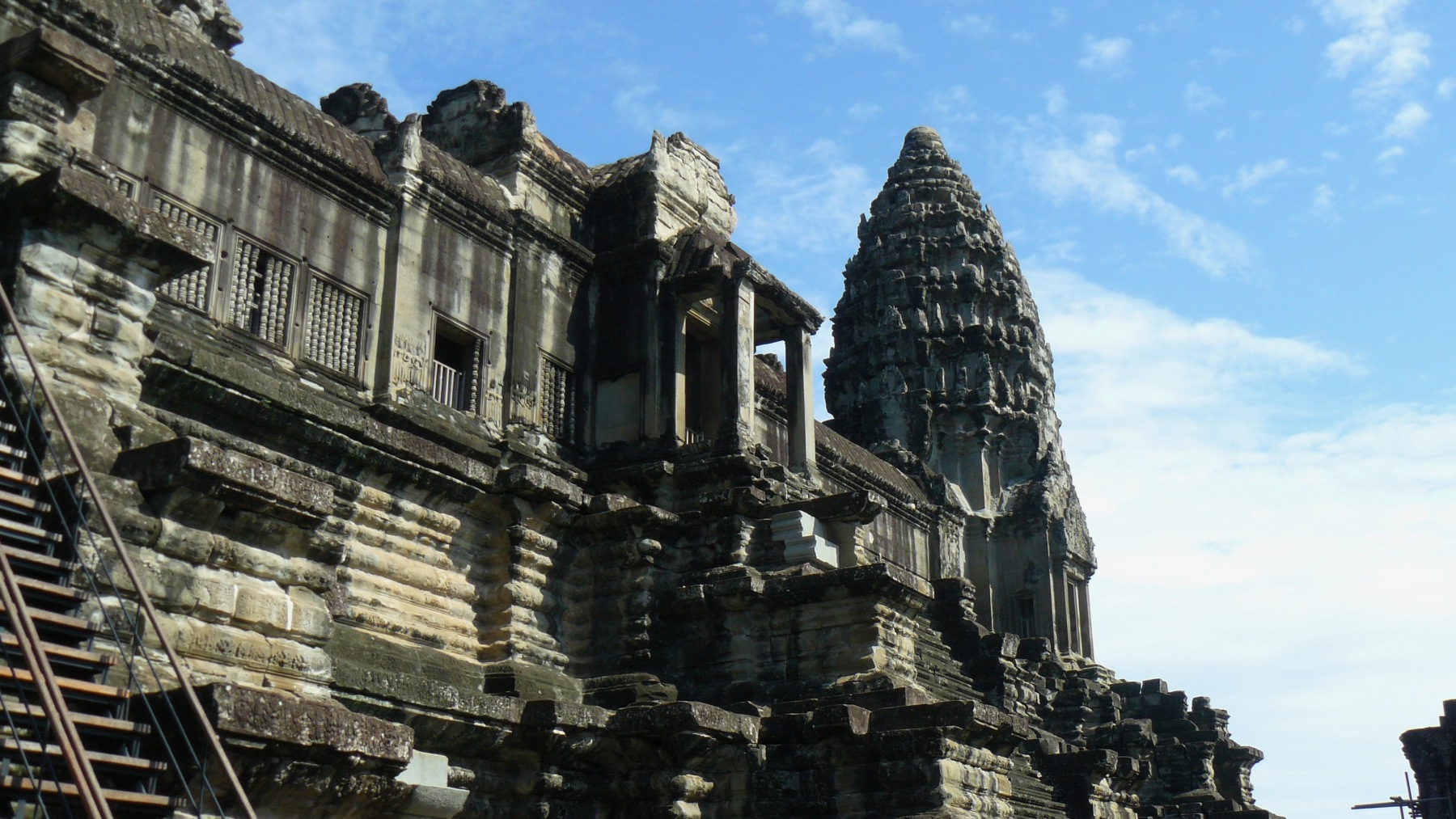
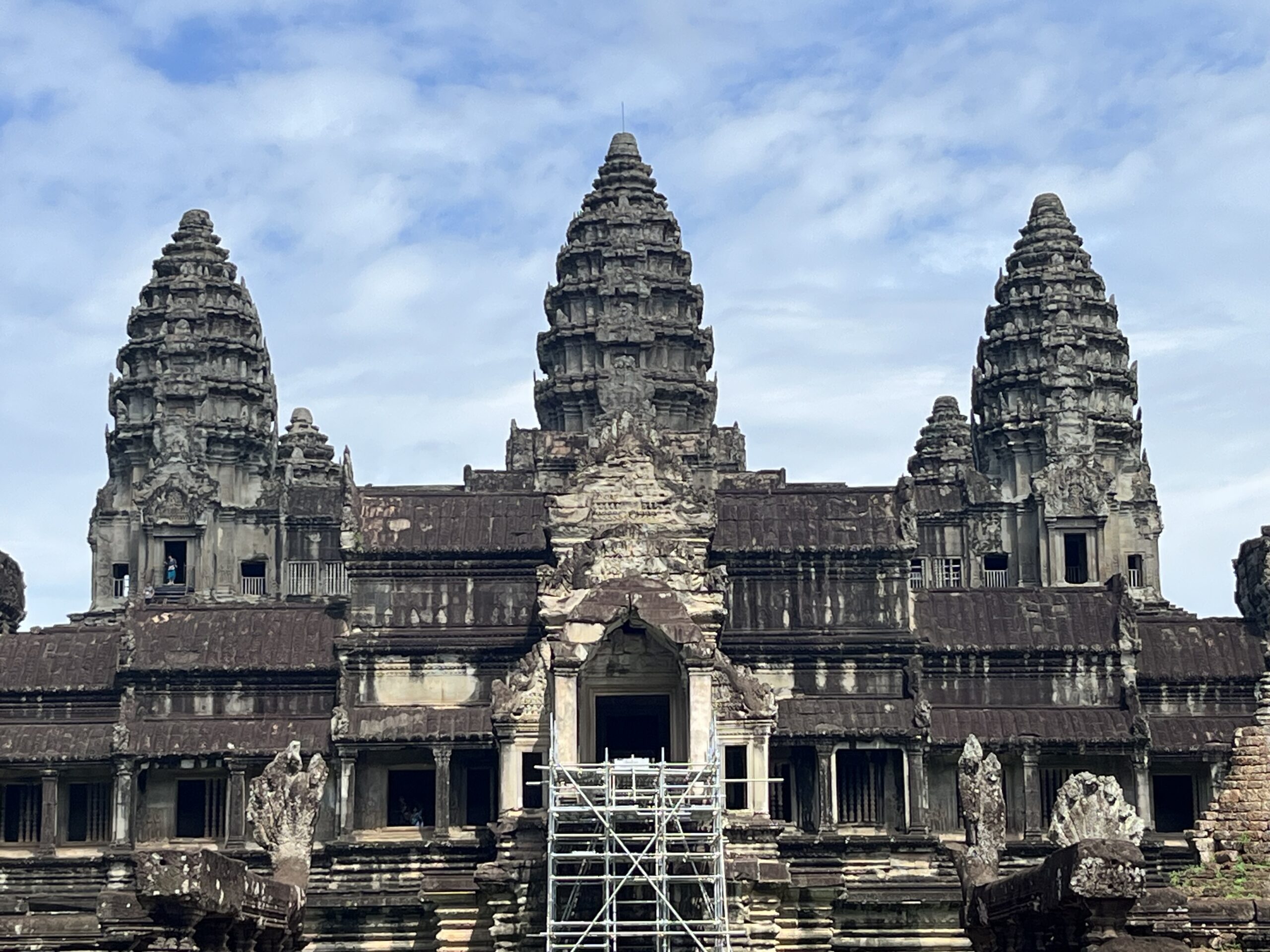
The complex is surrounded by a vast moat and a rectangular wall enclosure, with a long causeway leading to the main entrance. The temple complex spans over 162 hectares and features five central towers, which Lucky told us symbolised Mount Meru, the mythical center of the universe in Hindu and Buddhist cosmology.

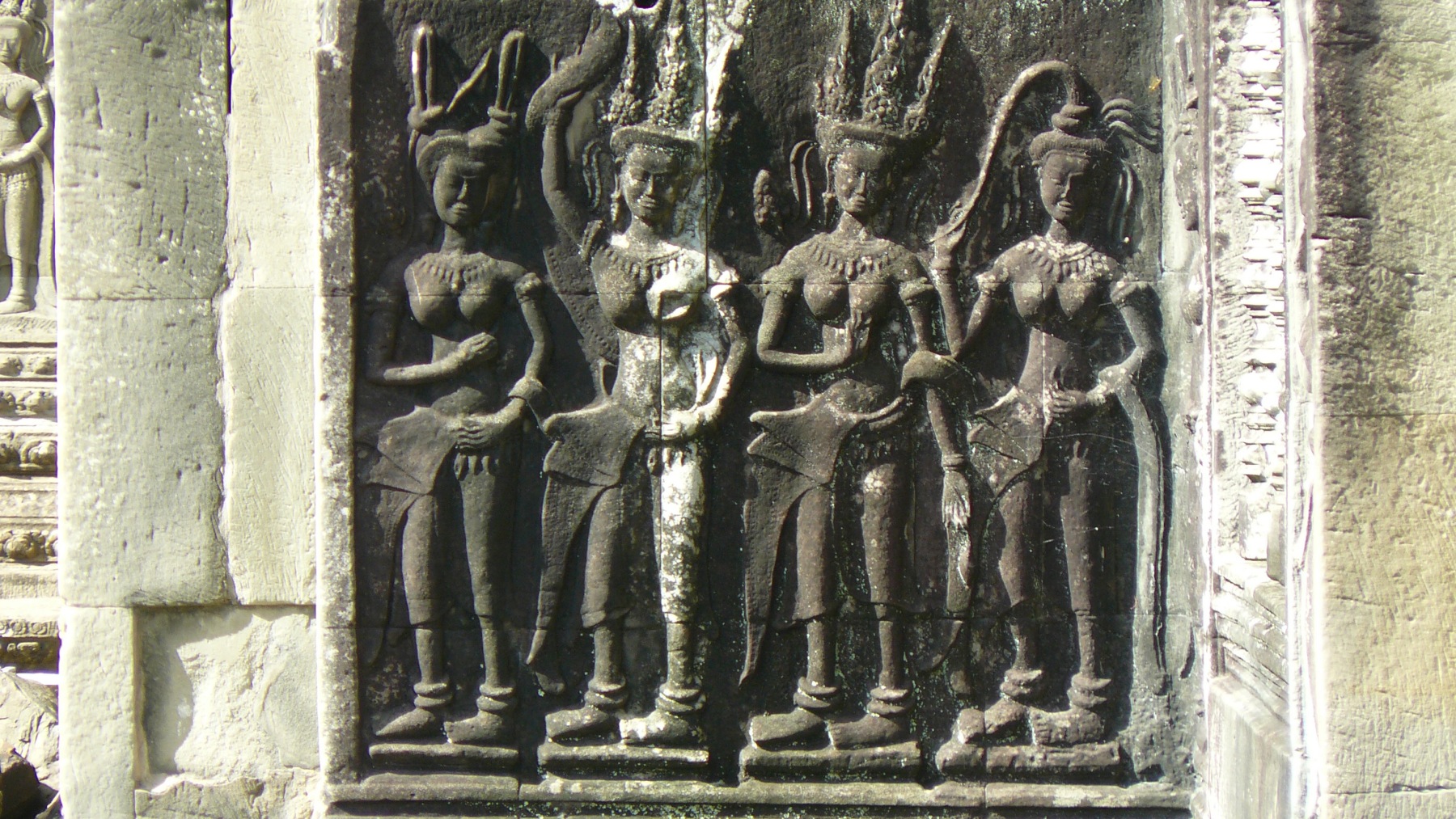
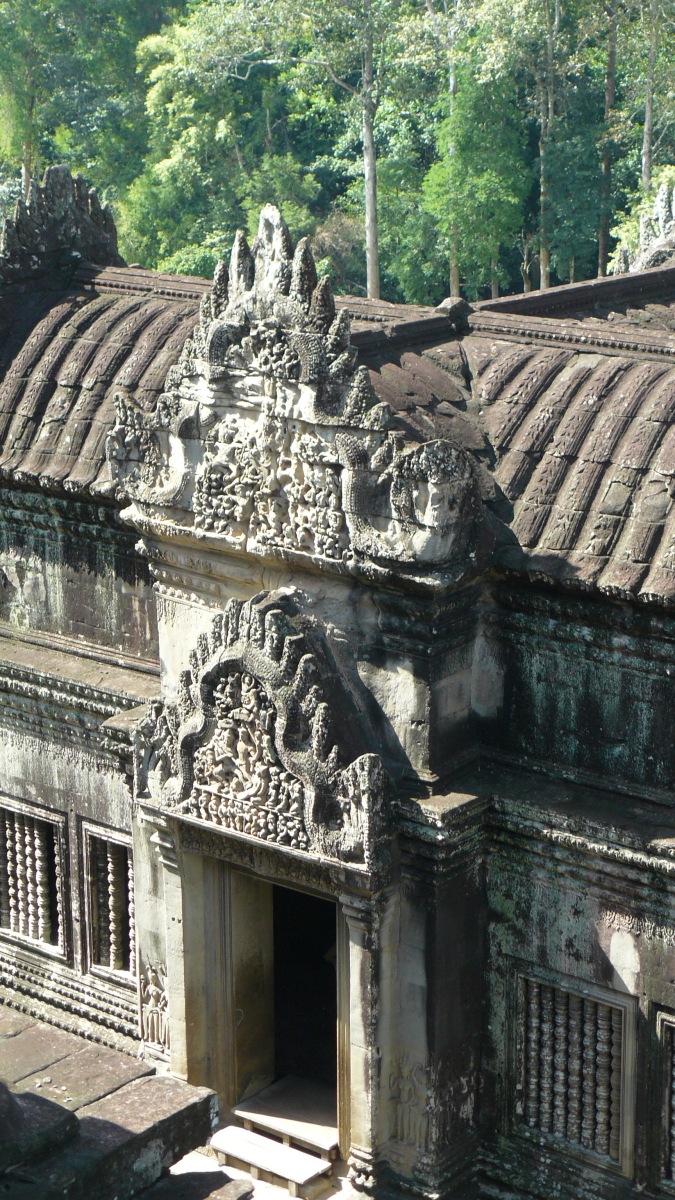
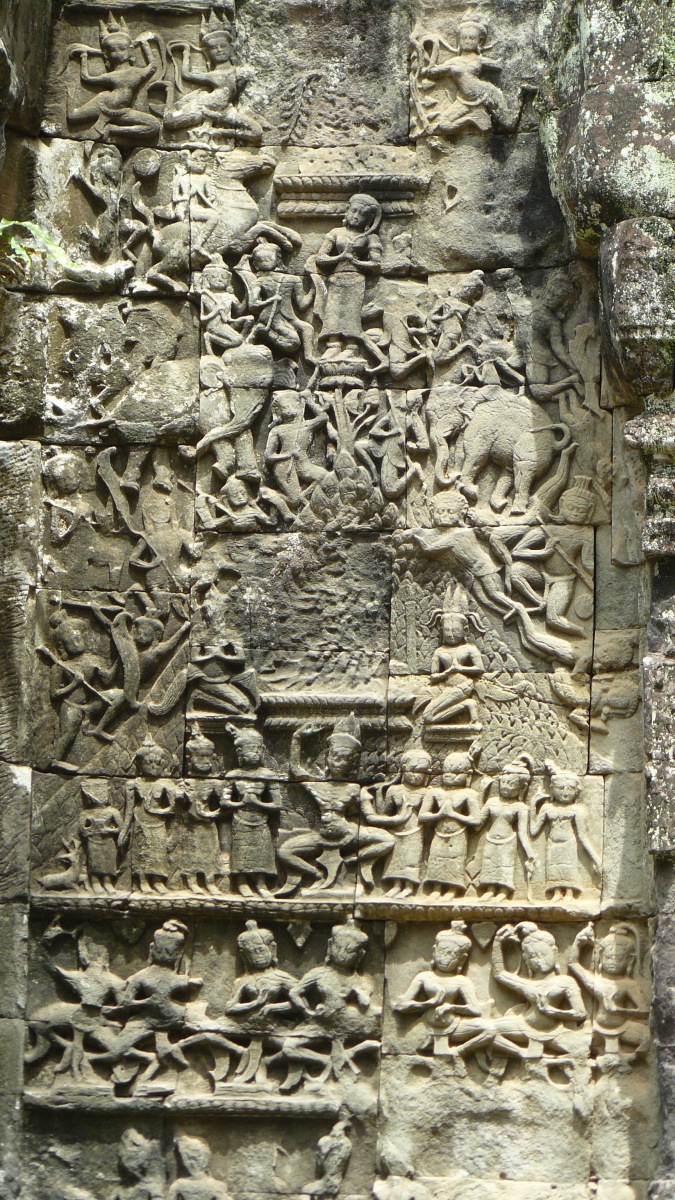
Everywhere you look, the walls are covered in sculpture. Lucky explained to the significance of, and story behind many of them. Apparently, the carvings cover 800 metres of wall space, and many are remarkably well preserved. These carvings depict epic scenes from Hindu mythology. Other carvings show celestial dancers (apsaras) and detailed scenes of daily life, warfare, and spiritual rituals. At the third temple we stopped at, the carving showed everyday life, with people fishing, barbecuing meat, working in the fields etc etc. It felt strangely close.
Without doubt, the central complex of Angkor Wat is stunning, and not surprisingly, Angkor Wat and the surrounding Angkor Archaeological Park were designated a UNESCO World Heritage Site in 1992. It attracts over 2 million visitors each year.

It’s hard to quantify how impressive the structure is. The intricate details on the walls, and the sheer mass of the building is overwhelming. And yet there are human touches – Lucky explained the massive slabs which have little holes in were moved into position by sheer manpower, with the builders using sticks in the holes to leverage them into place.

The blocks without the holes were moved into place by elephants (!)

It’s surprising how much access visitors have. You are steered away from archaeological work and dangerous drops but you seem to be able to wander pretty much at will. I was wary of the very steep wooden staircase leading up the central structure which looked to my vertiginous eye FAR too steep. But nothing ventured I went up (just didn’t look down!). That’s not me in the picture, when I went up and down, I was clinging on to the handrail so hard you could spot my white knuckles from space.
The central structure is built on three ascending platforms, each representing different spiritual levels or realms of existence. The steep staircases symbolise the spiritual effort required to reach enlightenment or the heavens.
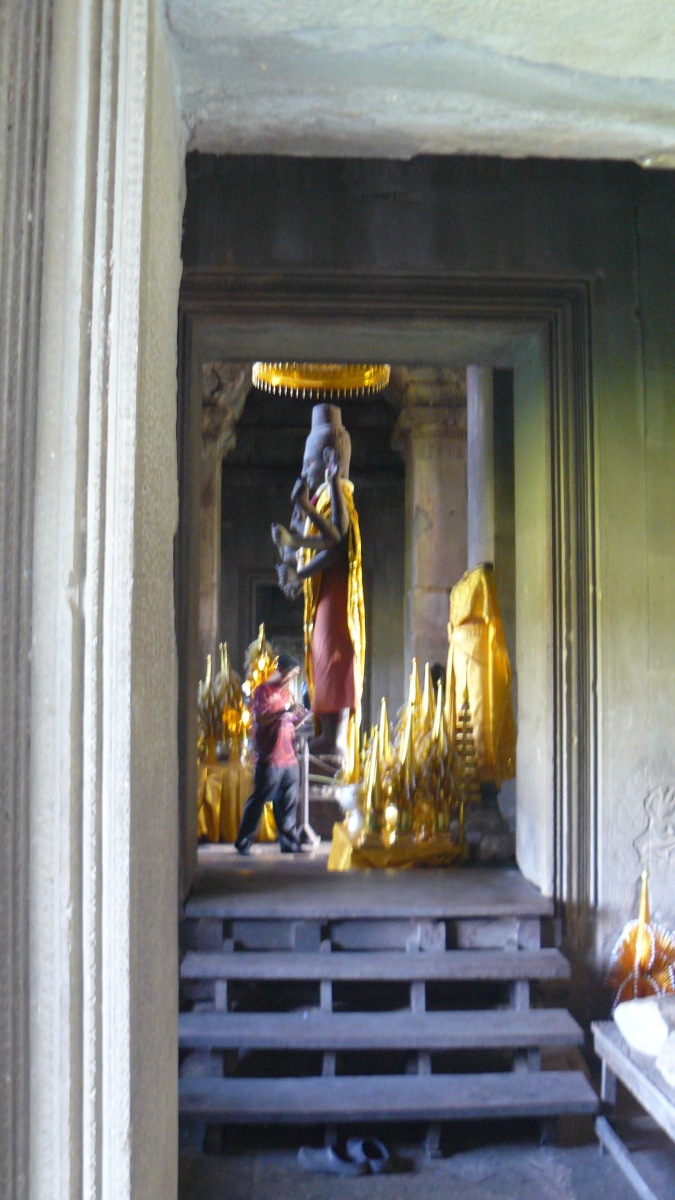
I should probably point out that it was, by now, very hot. 34 degrees and very humid, is climbing the 45-odd steps to the top was nothing if not a challenge. The tallest central tower rises about 65 meters (213 feet) from the ground. But once we got up there it was a fantastic view back across the complex. Lucky told us how the central tower houses the sanctuary, which originally contained a statue of Vishnu, the Hindu god to whom the temple was first dedicated. But today it contains Buddhist images, reflecting the temple’s later conversion to a Theravāda Buddhist site.


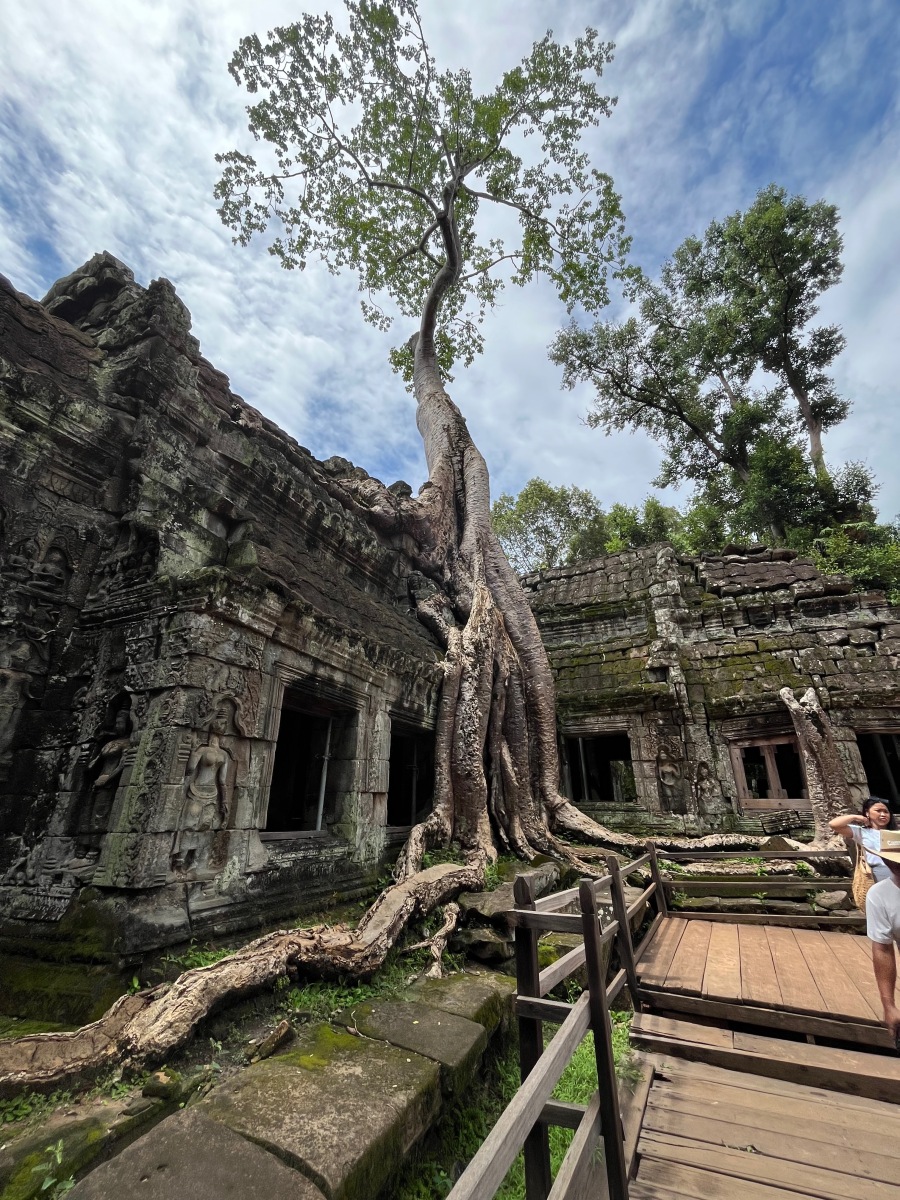
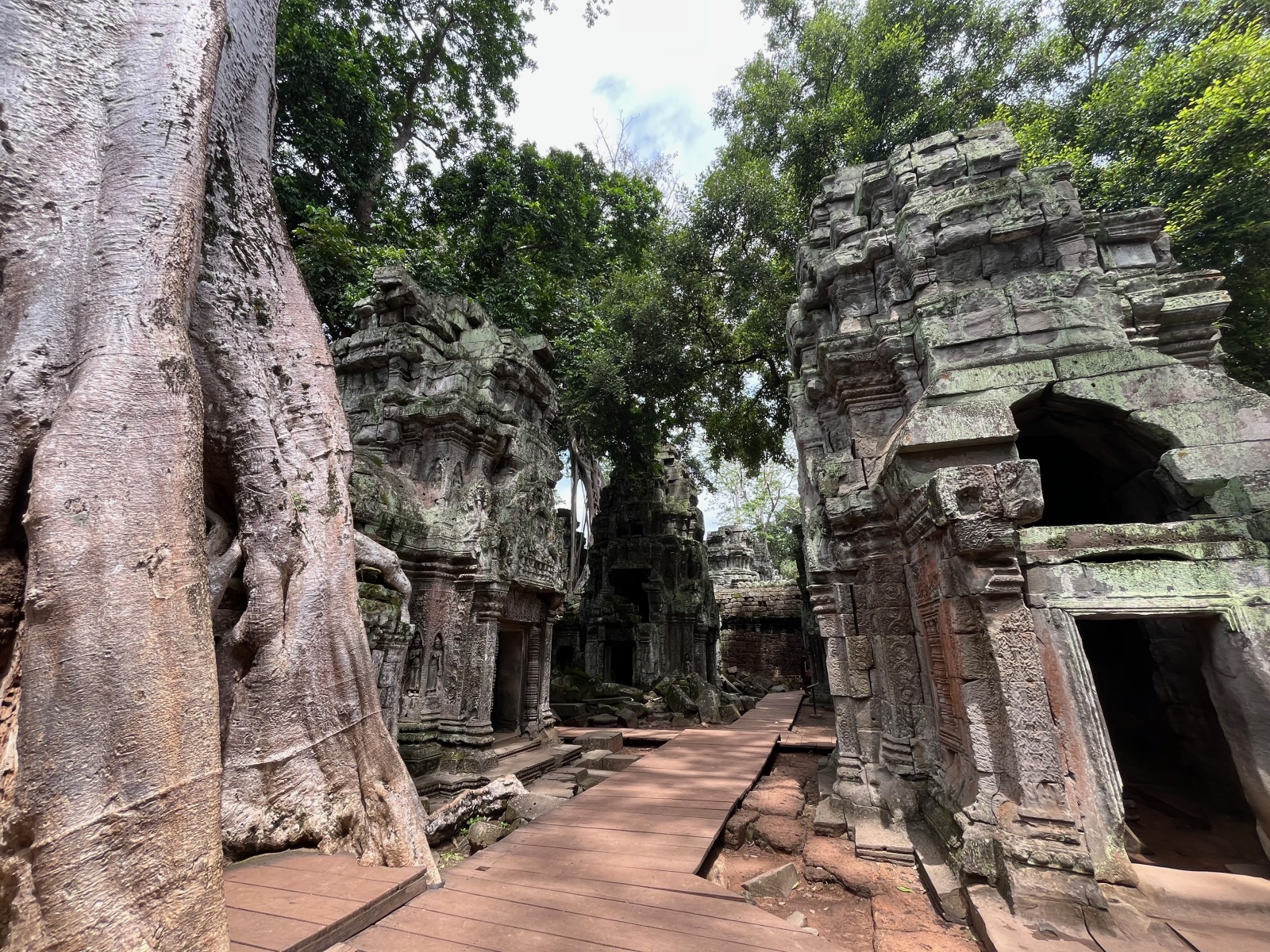
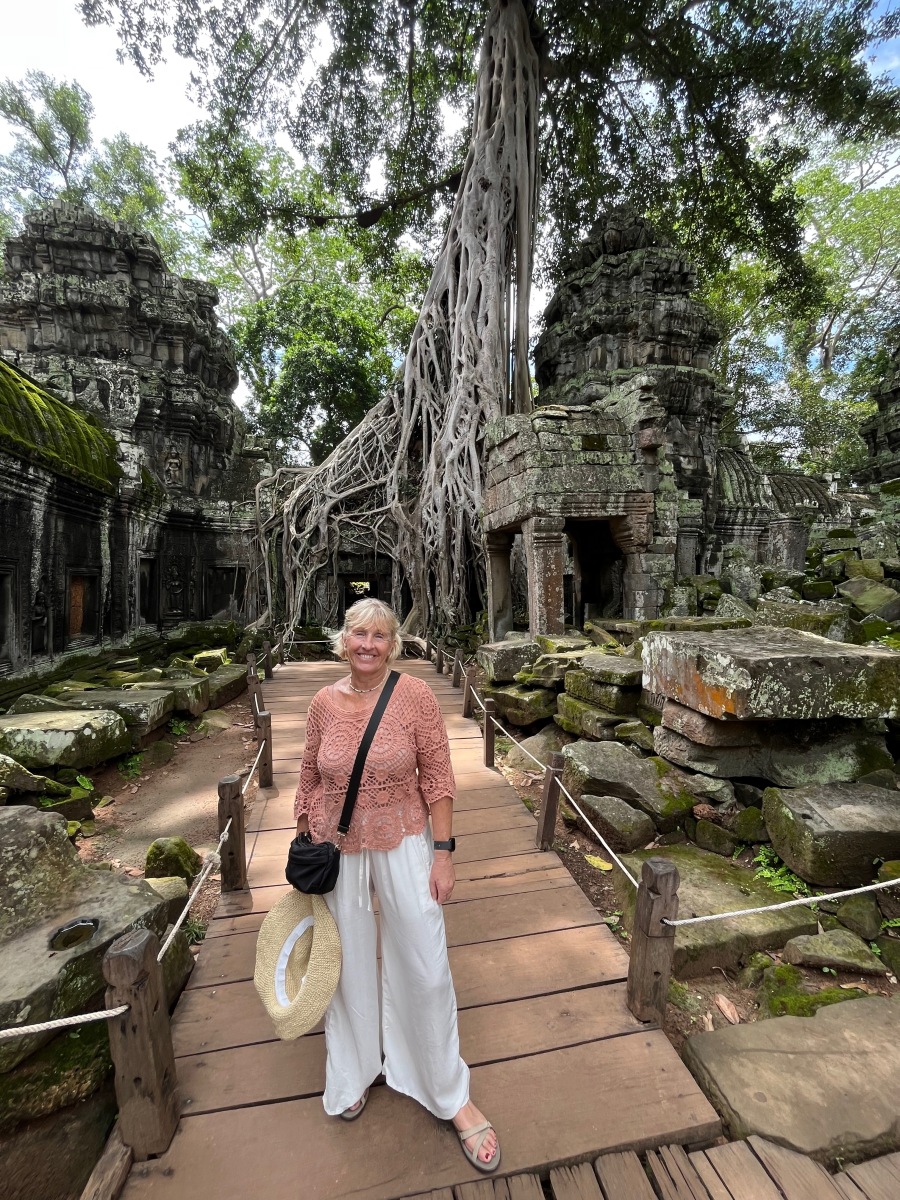
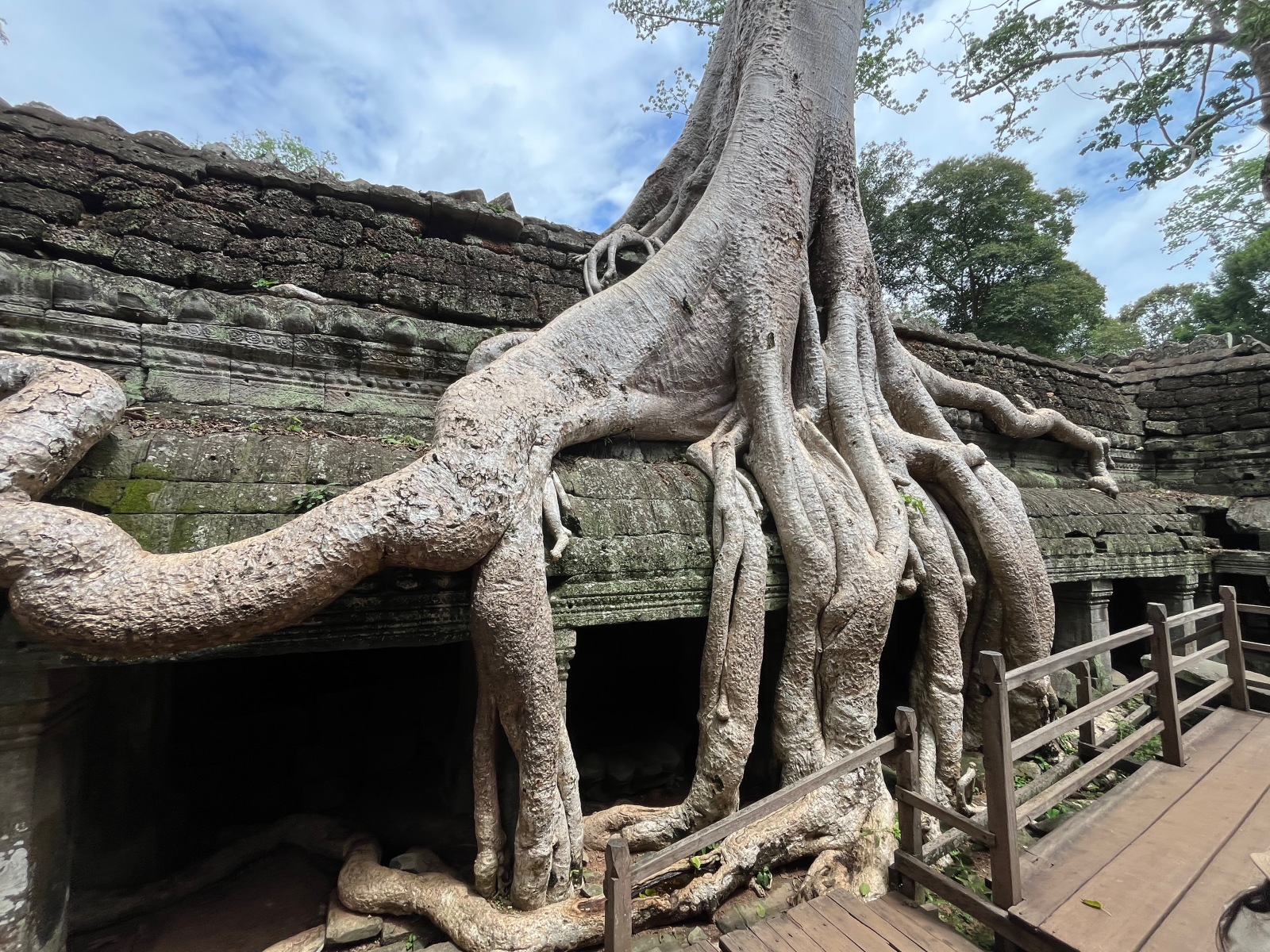
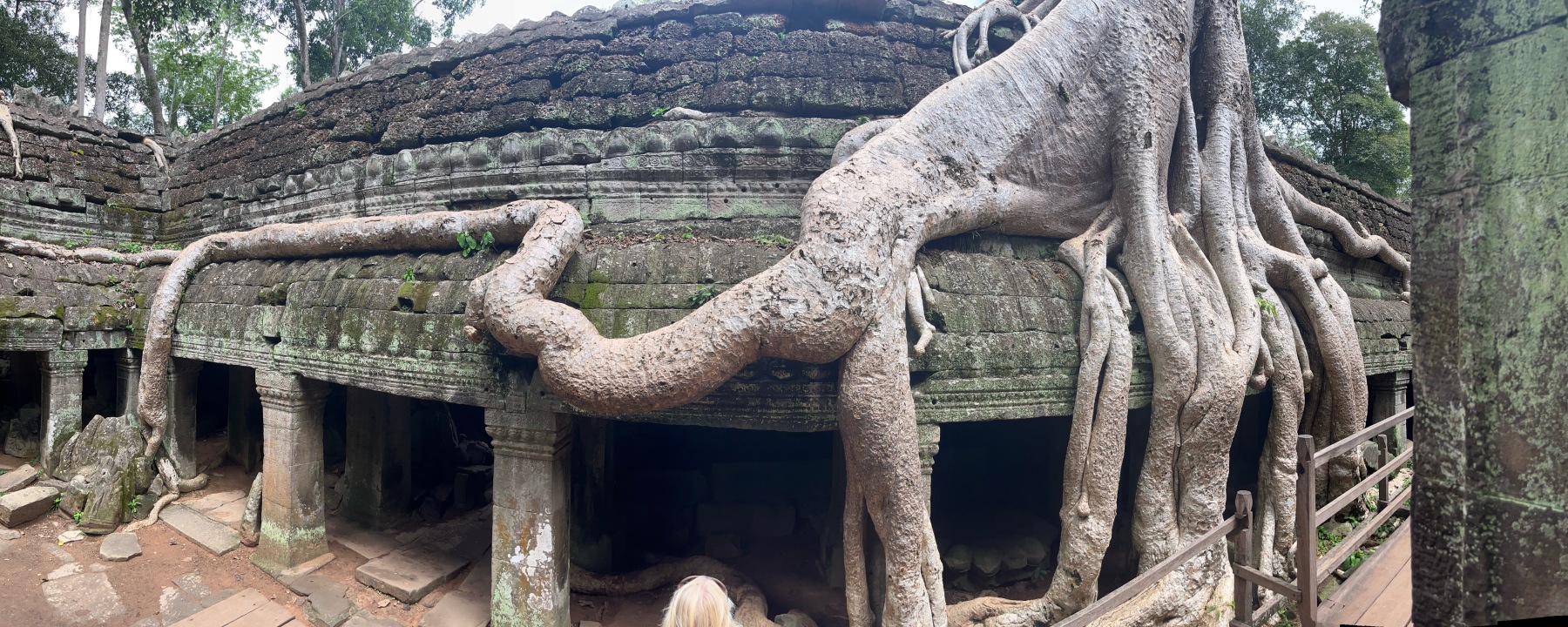
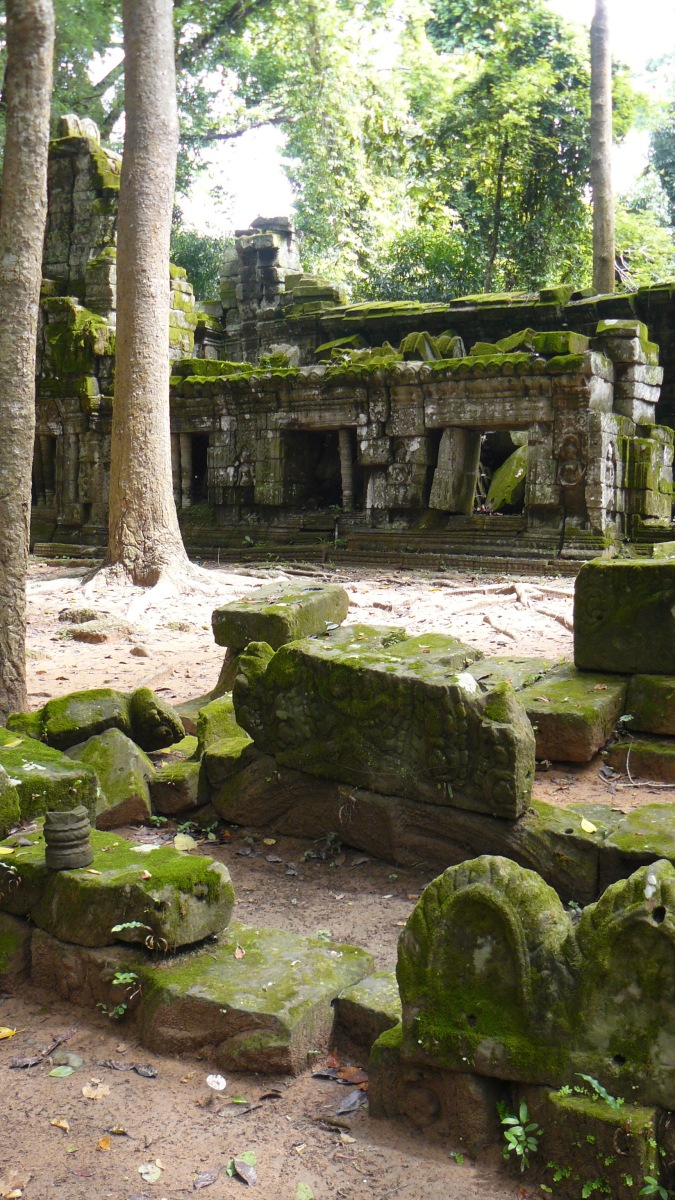
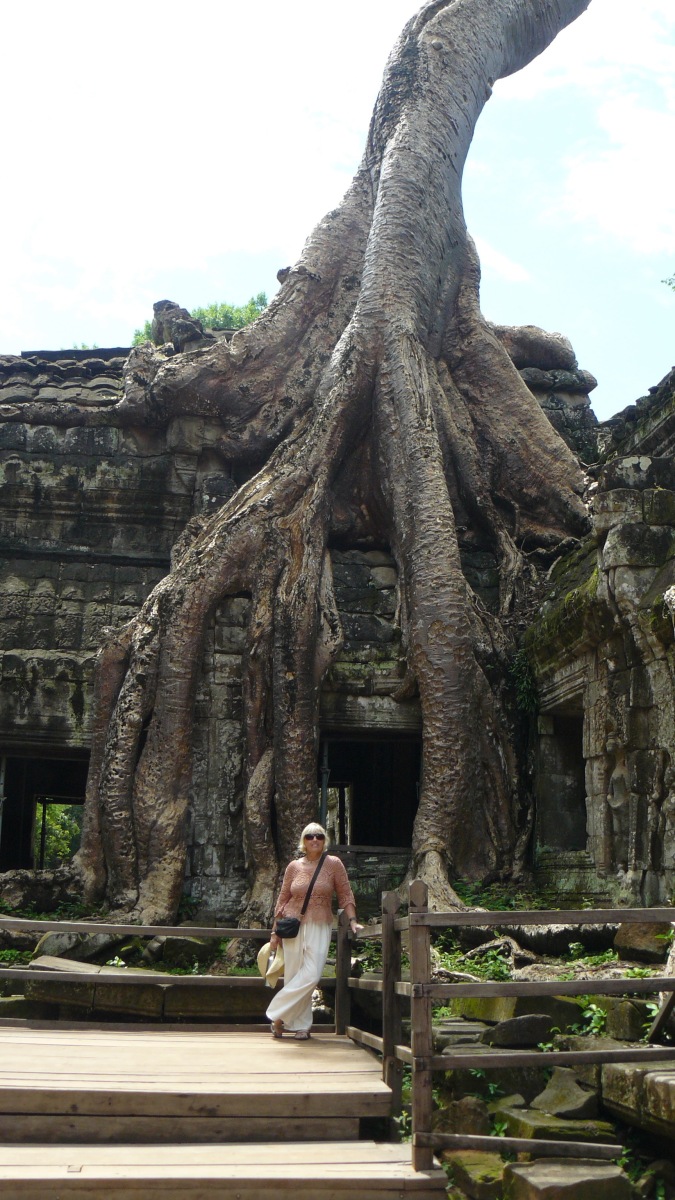
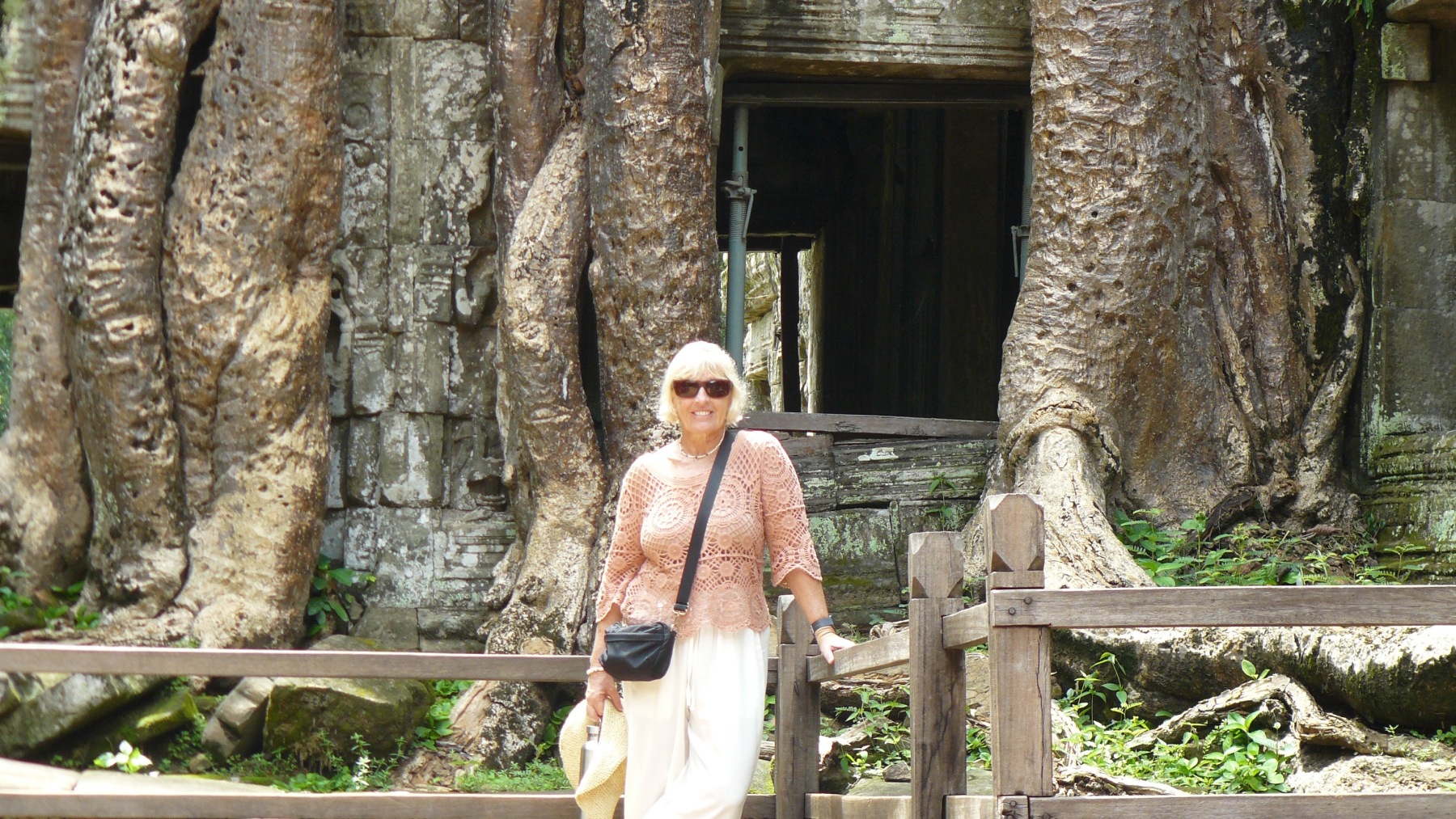
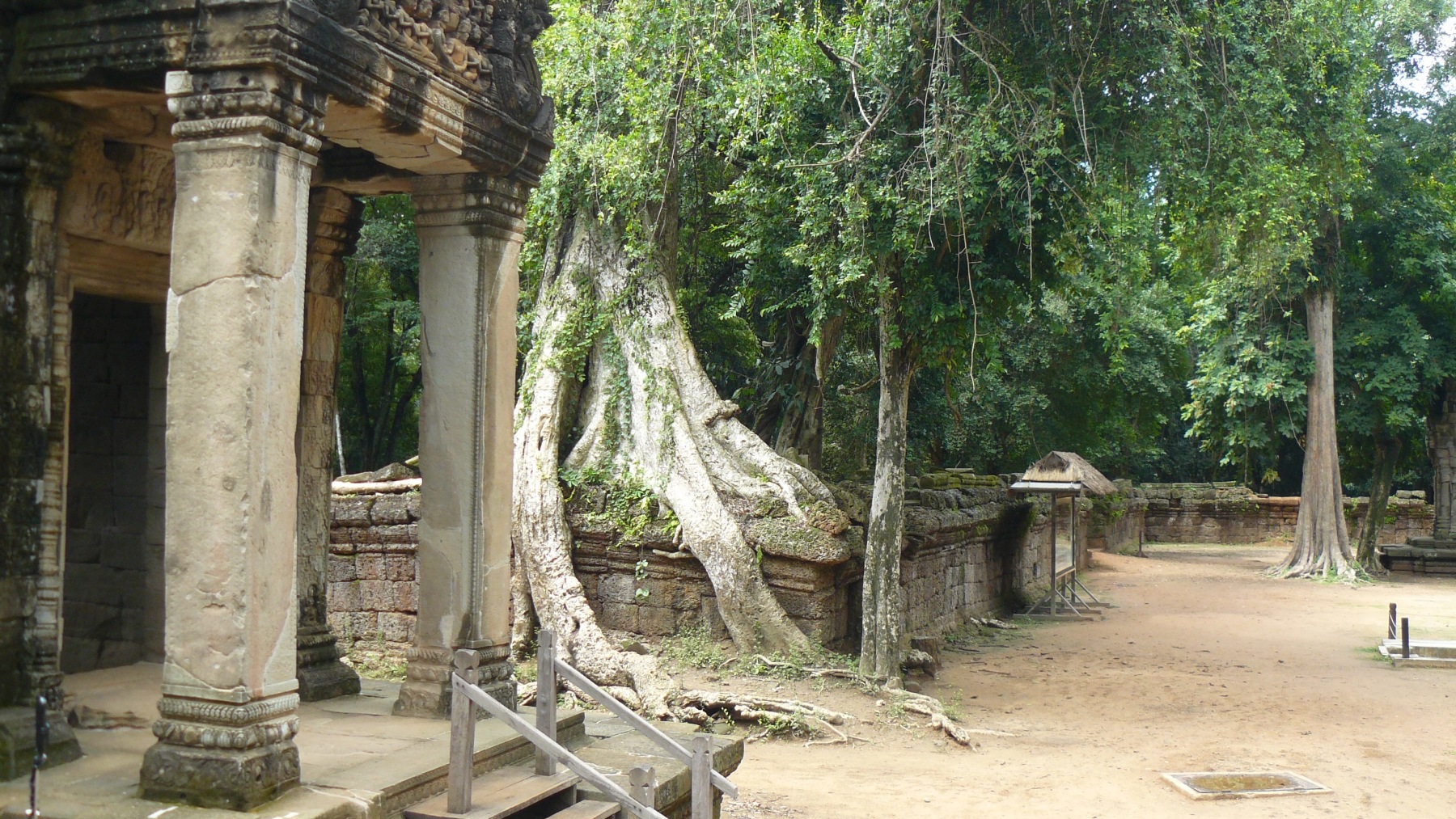
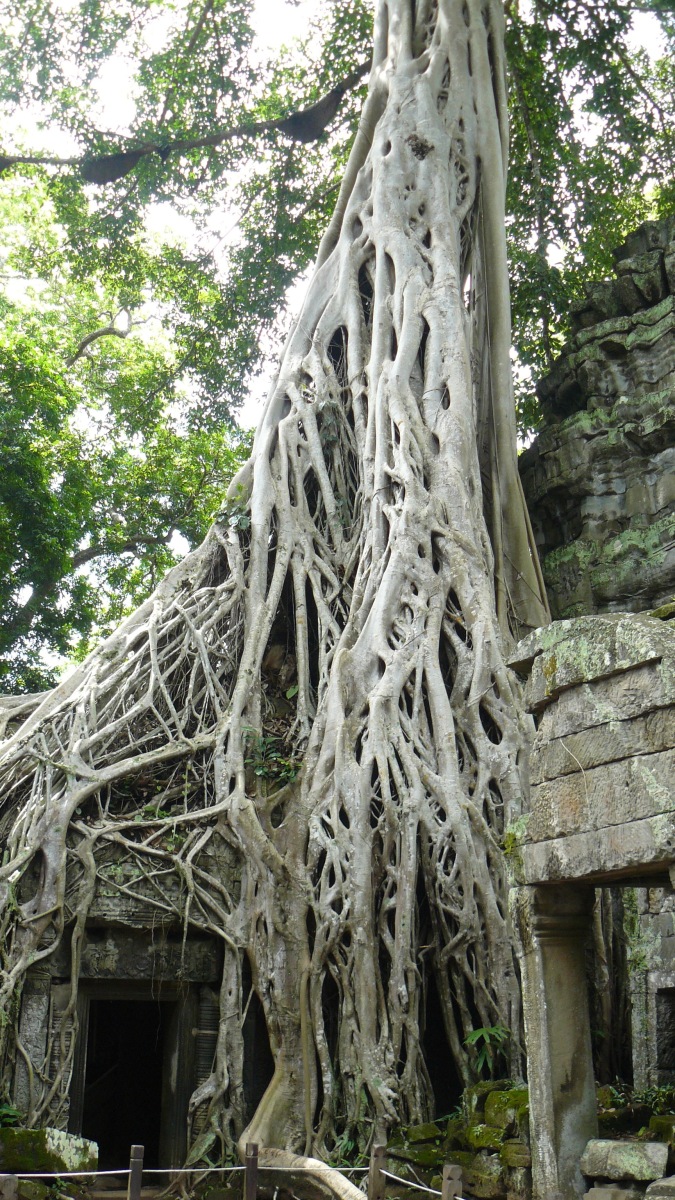
From Angkor Wat we moved on to Ta Prohm, famous for being the primary filming location for scenes in the 2001 movie Lara Croft: Tomb Raider, starring Angelina Jolie. Ta Prohm is famous for its massive tree roots (especially strangler figs and silk-cotton trees) that have grown through and over the temple walls, creating a dramatic, mysterious, and otherworldly atmosphere—perfect for an adventure film.

The roots wind over the moss-covered walls like octopus arms, and it’s not surprising they chose it for its mysterious and slightly spooky feel.

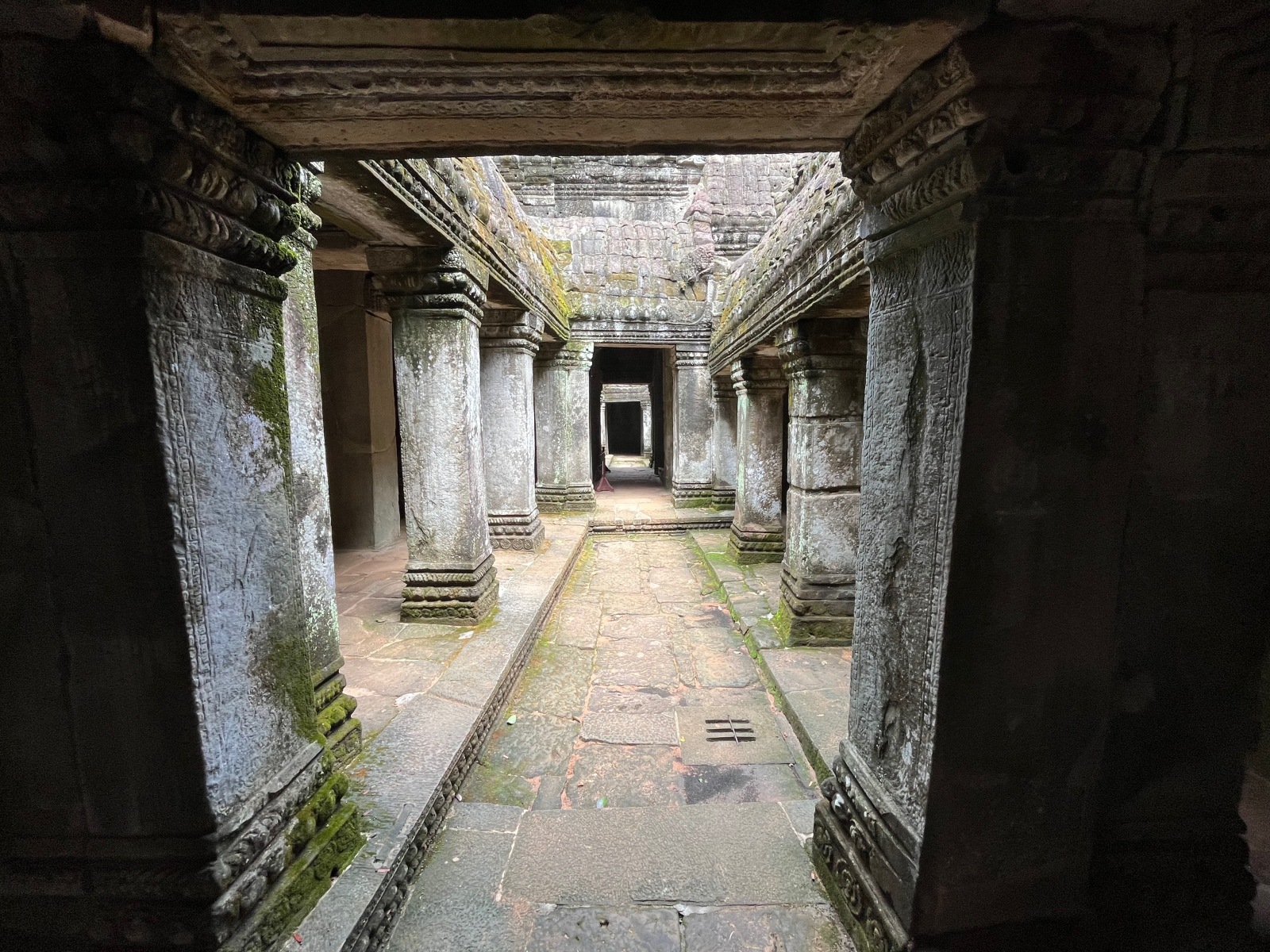
Unlike other Angkor temples that have been heavily restored, Ta Prohm has been left largely in the condition it was found, with nature reclaiming the stone structures.

Our final stop was at the Bayon Temple in Angkor Thom. Angkor Thom (“Great City”) was the last and longest lasting capital city of the Khmer Empire, located just north of Angkor Wat.. Founded in the late 12th century by King Jayavarman VII, Angkor Thom served as the political and spiritual center of the Khmer Empire during its peak and had a million people living there.

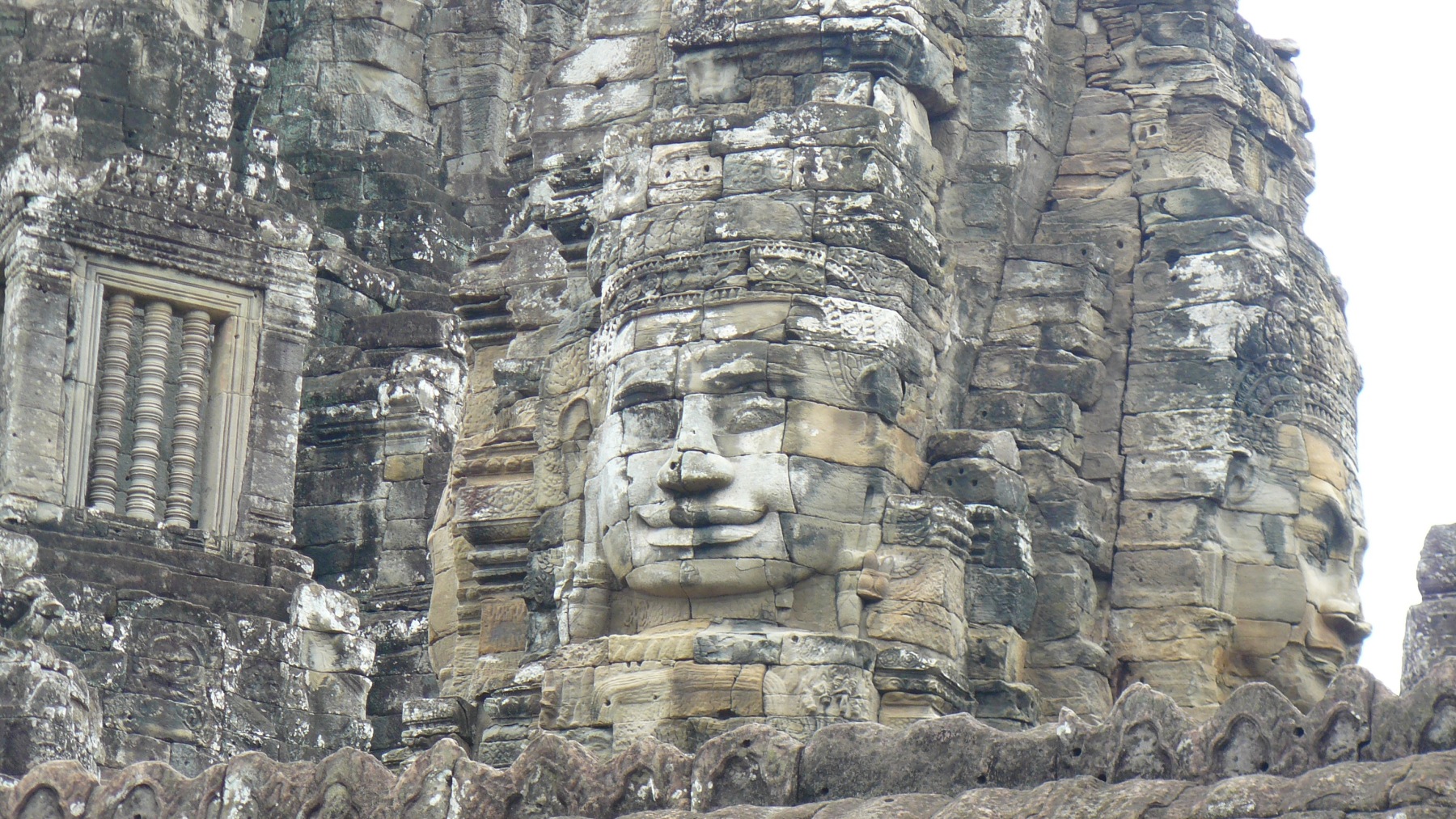
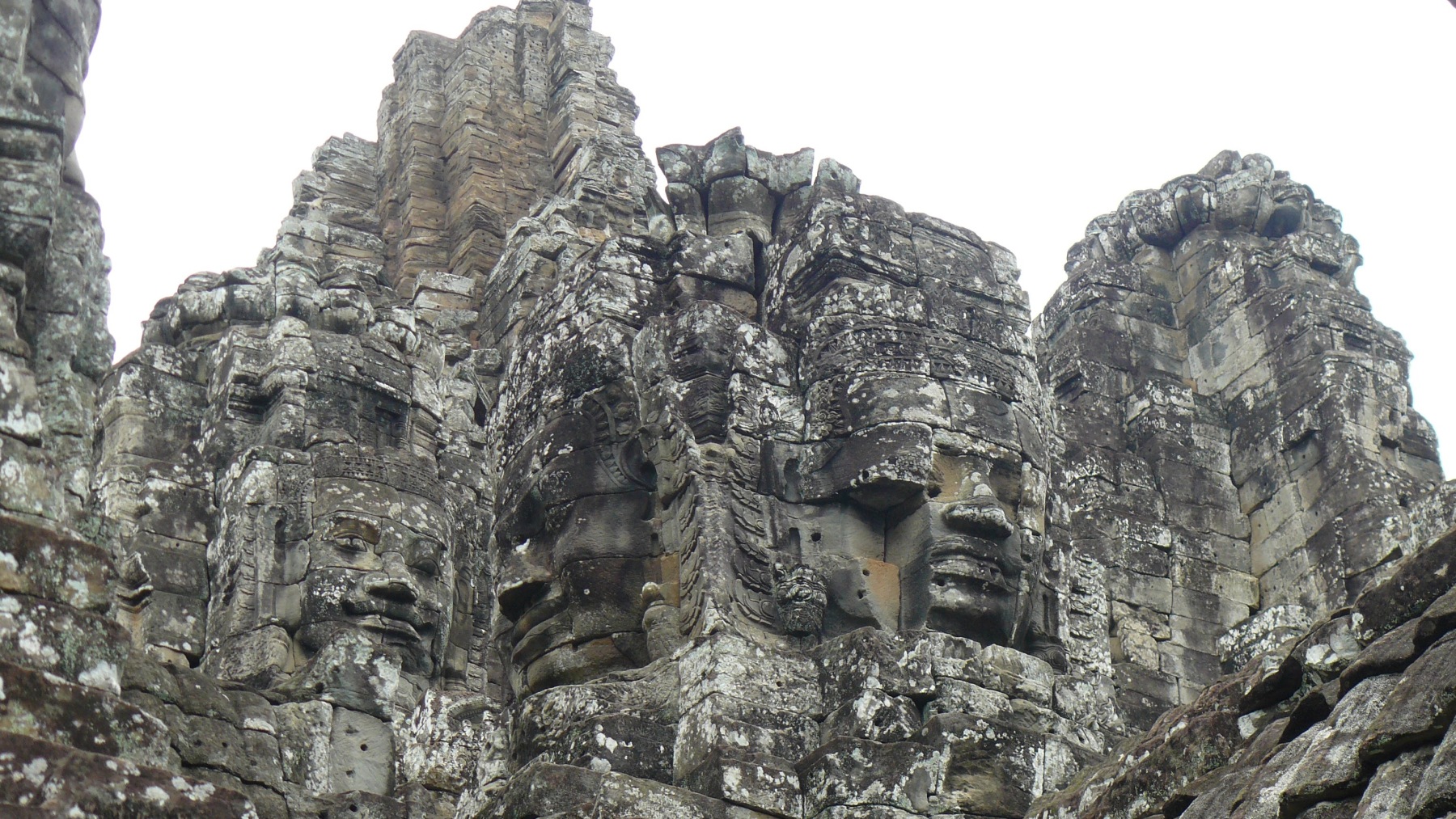
At the very heart of Angkor Thom is the Bayon Temple, known for its towering stone faces with enigmatic smiles.

The temple is famous for its 54 towers with over 200 carved faces, thought to represent either Avalokiteshvara or the king himself.

Our trip was at an end and although it had been hot and tiring, we both felt we had a much better idea of how advanced the Khmer empire was in terms of human creativity, religious devotion, and engineering. We took far more photos that there is room for on this page – you can see some of them in the gallery at the bottom of the page.
And here we are with our lovely guide, Lucky. And if you think I look sweaty, that’s because I was.