Today we discovered a fascinating historical site, which for some reason seems to have been missed off a lot of the tourist itineraries. But first we decided to go and take a look at St Joseph’s Cathedral in Hanoi. We arrived just as Mass was starting, with a full brass band playing outside as priests, choir and congregation process into the cathedral.


St. Joseph’s Cathedral was completed in 1886, and is one of the city’s most iconic landmarks and regarded as a striking example of neo-Gothic architecture. It was built by the French colonial government, and has a bit of a resemblance to the cathedral of Notre-Dame in Paris, with its twin bell towers, pointed arches, and stained glass windows. It’s on the edge of the Old Quarter so was only a 20 minute walk away. There was a crowd going in so it’s obviously an active place of worship and we’re told that apparently it’s a popular gathering spot, especially during religious holidays like Christmas when the area is beautifully decorated. St. Joseph’s is not just a symbol of Catholic heritage and French colonialism in Vietnam, but also a cultural and architectural fixture in Hanoi.
From there, we walked to the Hanoi Citadel which we’d found on Google Maps but which we hadn’t seen much about (or indeed anything about!) in the tourist literature. Along the way we saw the Reunification Express at a level crossing and squeezing its way down Train Street.


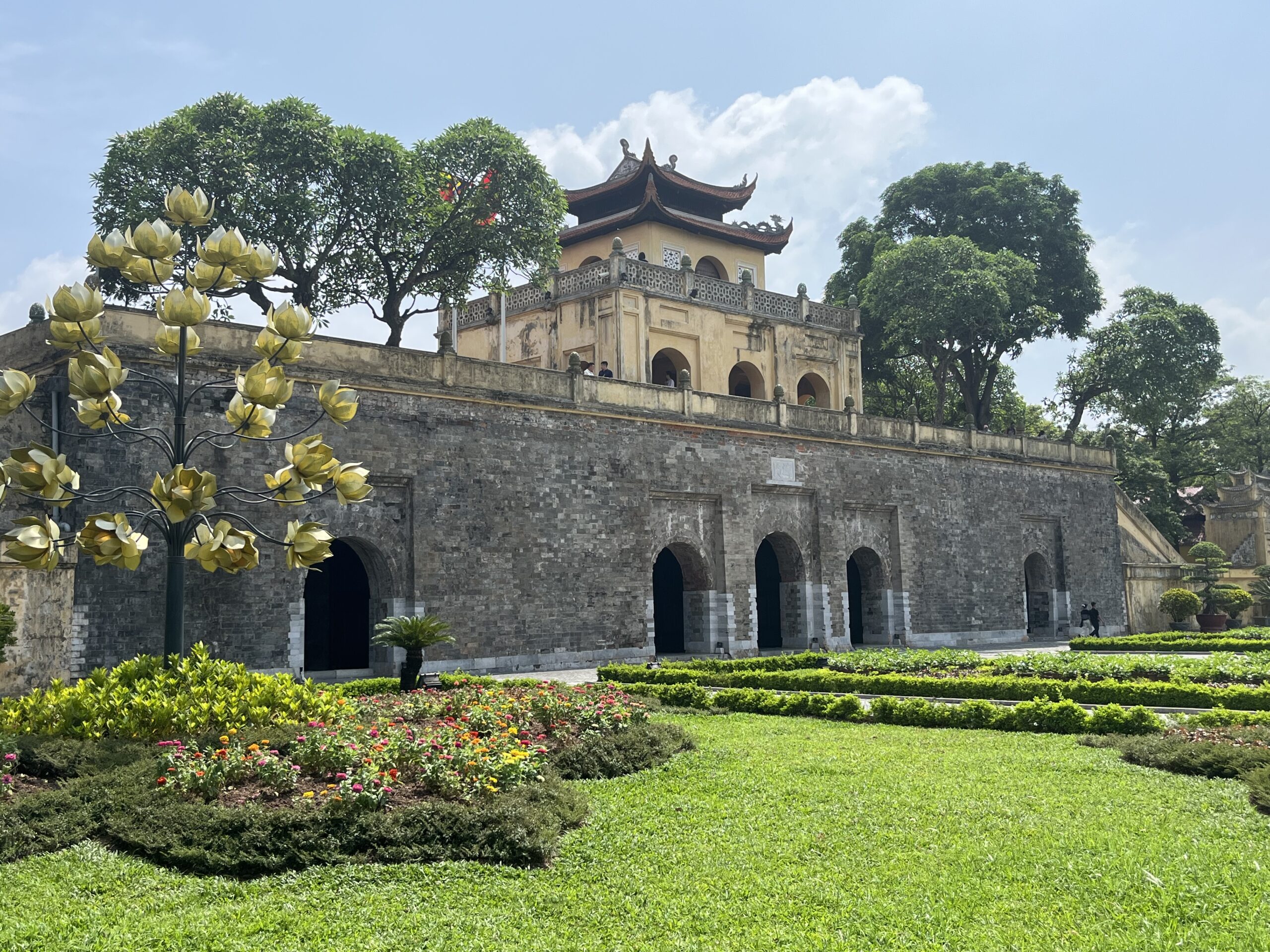
It was very hot today – ‘feels like 38 degrees’ says the weather forecast. It was only a couple of kilometres to the Citadel but it felt like a lot further. One of the things we saw on the way was a statue of Vladimir Ilyich Lenin – a reminder that Vietnam is a communist state, albeit one that has embraced some capitalist ways. It was given to Vietnam by the Soviet Union in 1980 to commemorate what would have been Lenin’s 110th birthday. It was created by Soviet sculptor Alexander Tyurenkov, and is a reminder of Vietnam’s close political ties with the USSR during the Cold War but also marks Lenin’s significant influence on local revolutionaries like Ho Chi Minh, and that brings us to the Hanoi Citadel. It’s another UNESCO World Heritage Site and one of Vietnam’s most historically significant landmarks, and officially known as the Imperial Citadel of Thăng Long.
It served as the political and military centre of the country for over a millennium, from the 11th century (Lý Dynasty) through to the Nguyễn Dynasty and into the French colonial era. And following World War 2 and the exit of Japan from Vietnam, when Ho Chi Minh stepped into the power vacuum that was left, it became the key military headquarters during the Indochina and Vietnam Wars, with a command bunker still preserved underground.

The citadel was built on the remains of an earlier Chinese fortress and expanded over time, especially during the Lý, Trần, and Lê dynasties. It includes relics from different historical periods, such as ancient palaces, temples, wells, and military bunkers.
There’s a lot of archaeological excavation underway as a lot of the Citadel had been knocked down by the French colonial powers. When France fully colonized northern Vietnam in the 1880s, they sought to impose control over Vietnamese political structures. The Imperial Citadel, as the centre of royal and administrative power under various Vietnamese dynasties, was seen as a symbol of native sovereignty and resistance, and a prime location for military and administrative command. To neutralise its symbolic and strategic power, the French demolished many of its ancient structures, including large sections of palaces, temples, and gates.

But what is left is fascinating and it obviously means a lot to Vietnamese people. Here, they can (and do) hire traditional Vietnamese dress to have their photos taken against a traditional backdrop.
Particularly fascinating are the military bunkers at the Hanoi Citadel, especially the D67 Command Bunker, which are some of the most fascinating and historically significant remnants from Vietnam’s modern history—specifically from the Vietnam War (or American War, as it’s called in Vietnam). We explored both the above-ground D67 House and the underground bunker system, which remain well-preserved and restored.

The interior is kept as it was during the war, offering a sense of what decision-making at the highest levels of the Vietnamese military looked like under constant threat from American air raids.
It’s an incredibly important historical site—but it’s often overlooked on tourist itineraries. There may be a few key reasons for this: While it’s a UNESCO World Heritage Site, it doesn’t have the international fame of sites like Ha Long Bay or Hoi An and consequently visitors to Hanoi tend to focus on headline attractions like the Old Quarter, and may not realise how significant the citadel is. It certainly seems to explain why we were the only non-Vietnamese people we saw there!
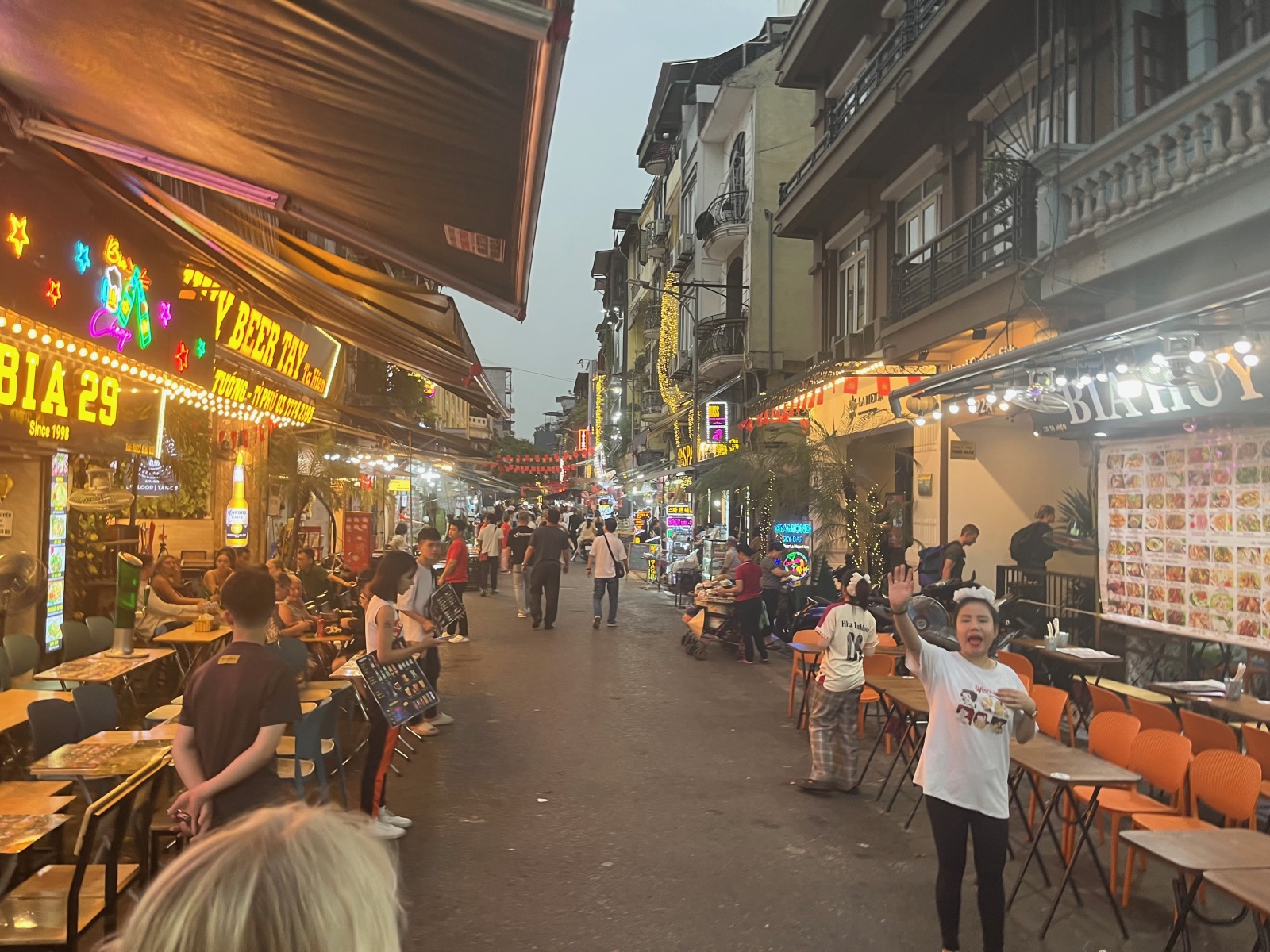
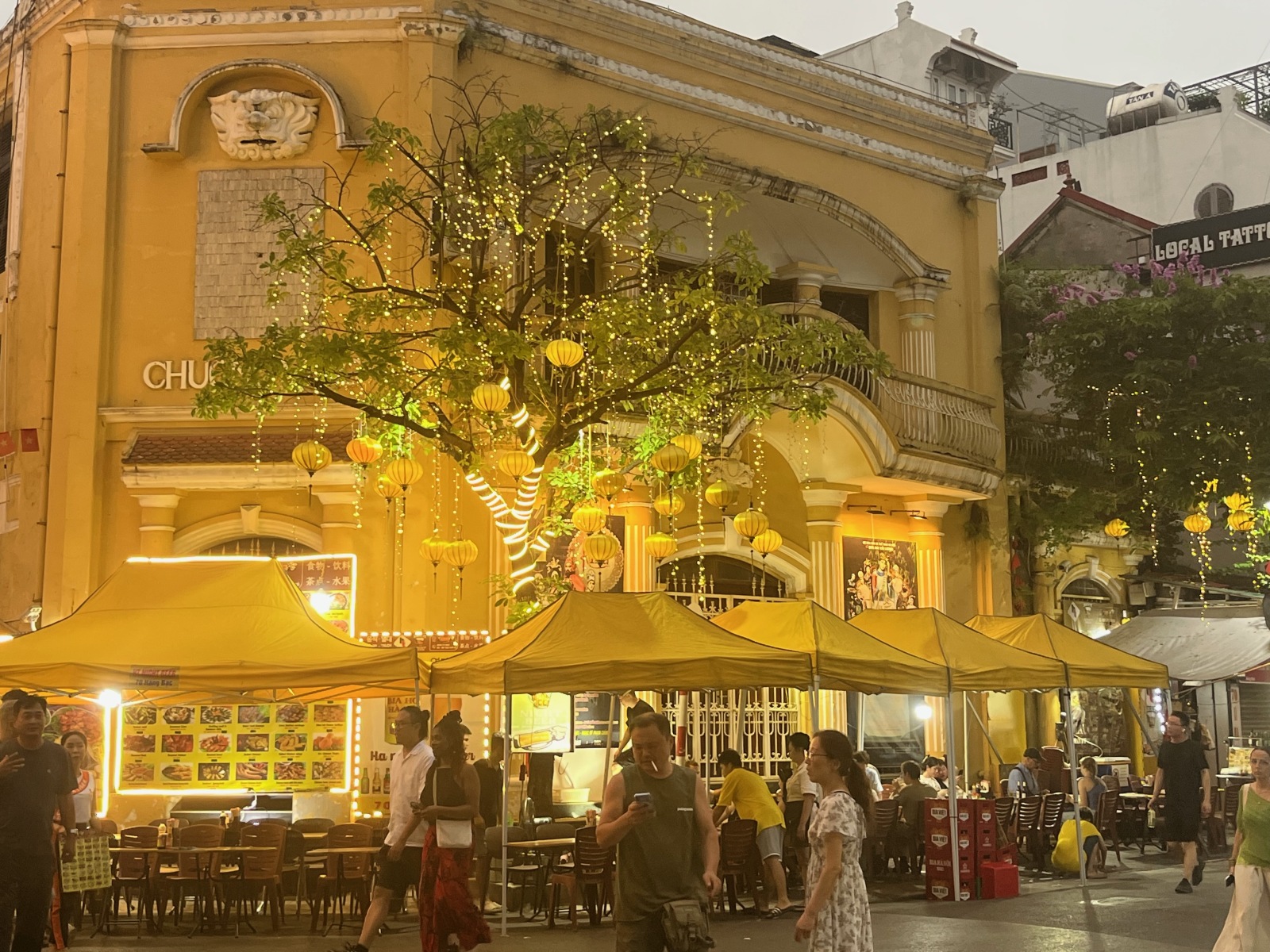
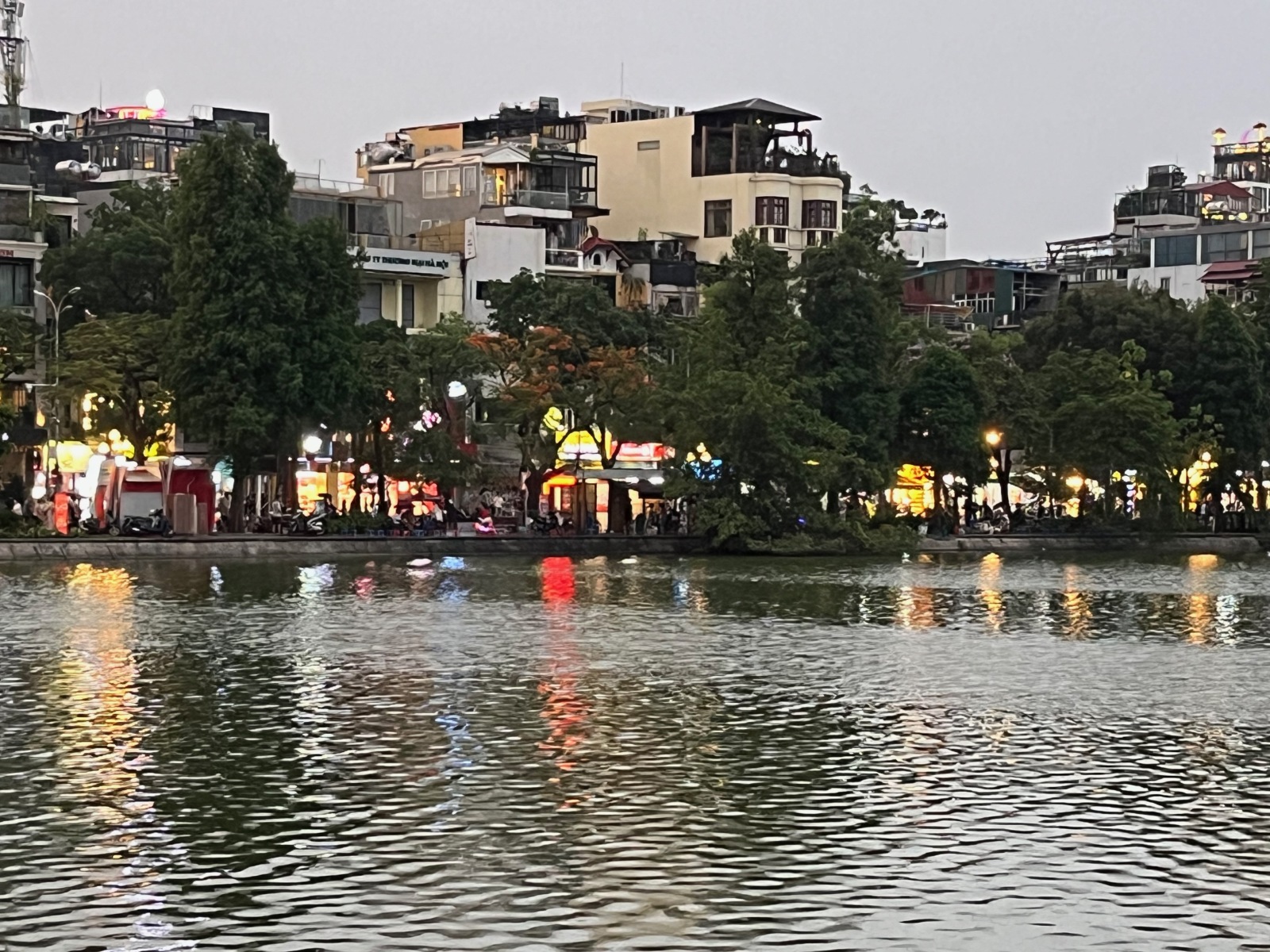
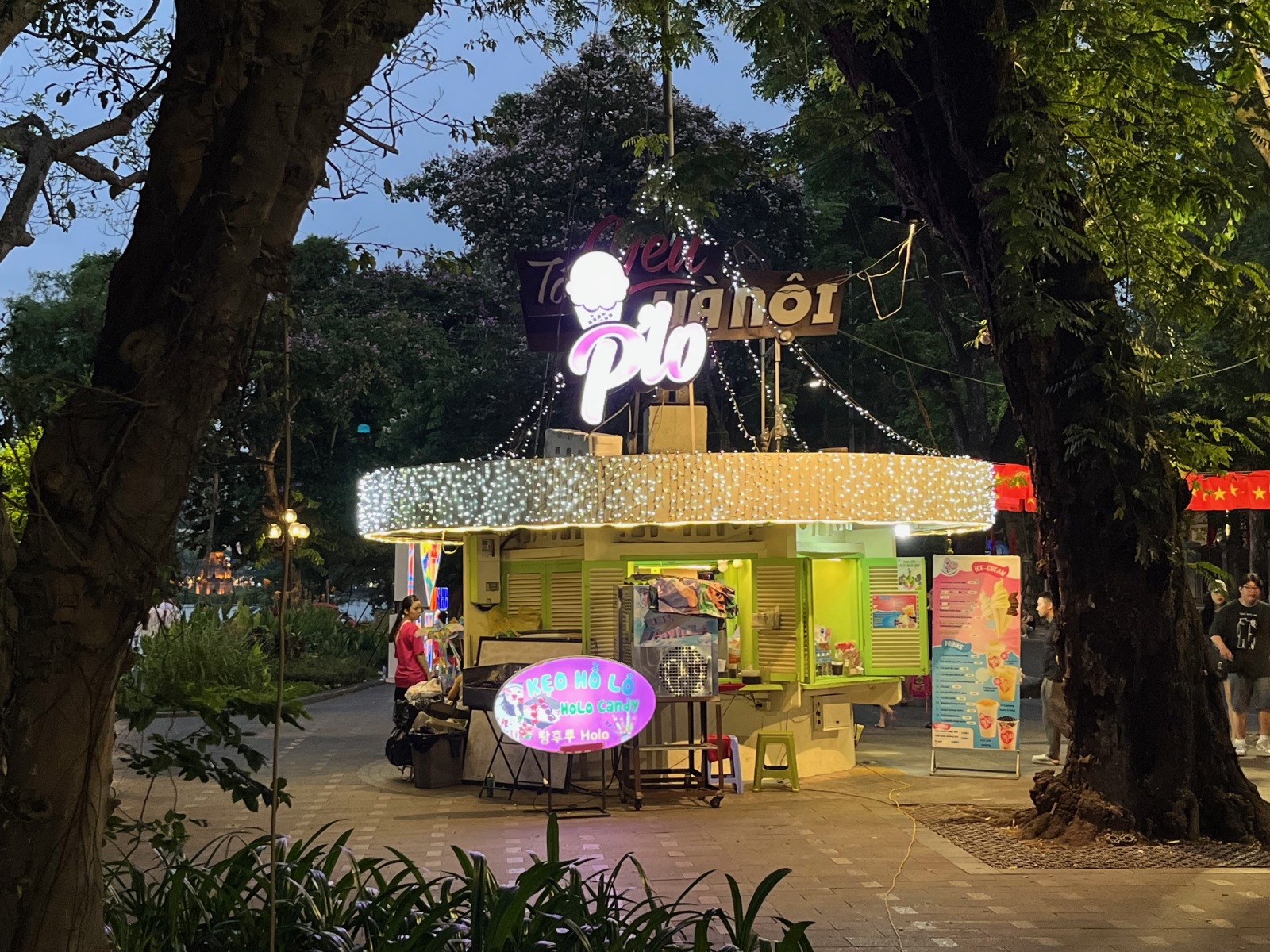
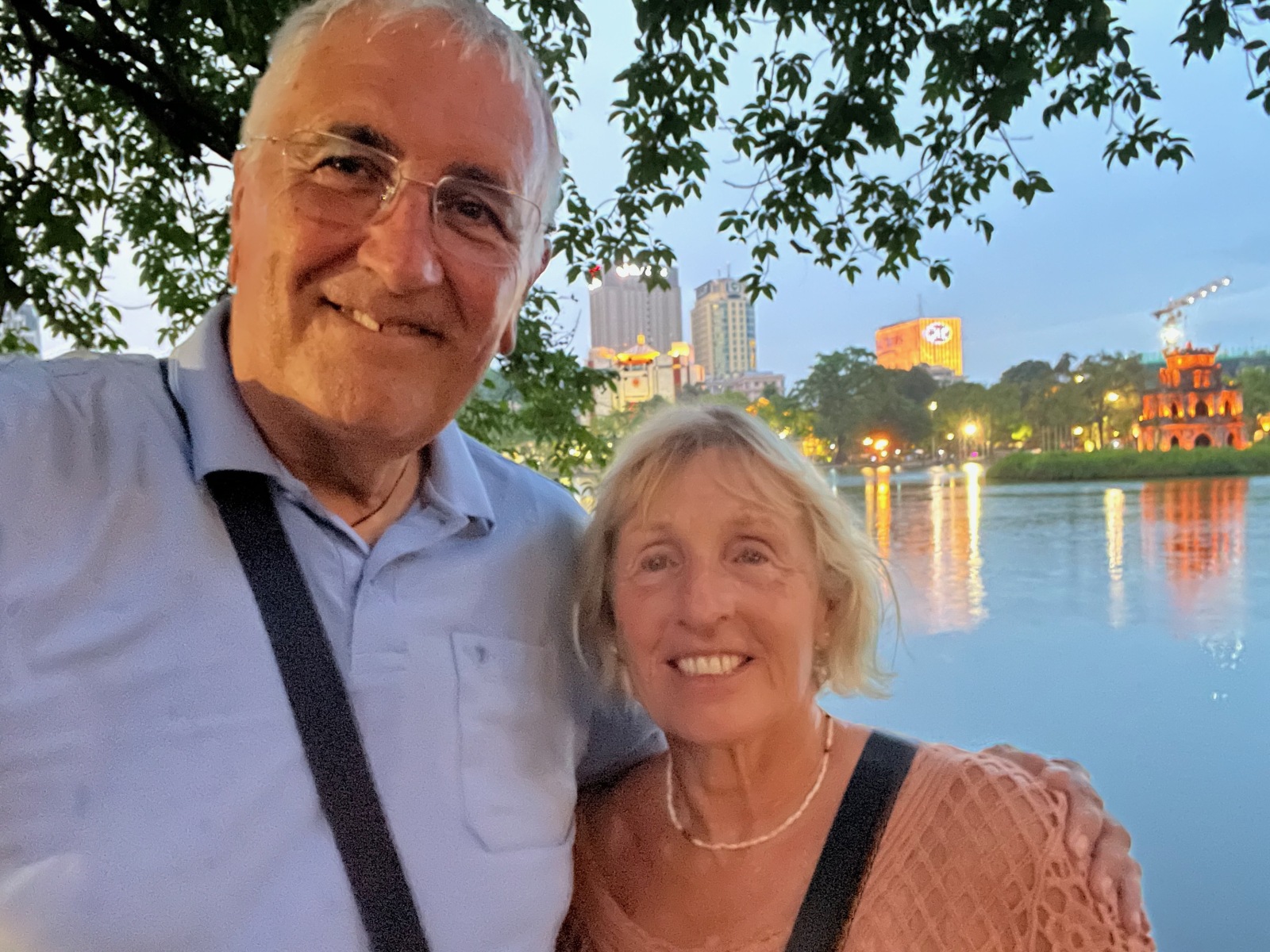
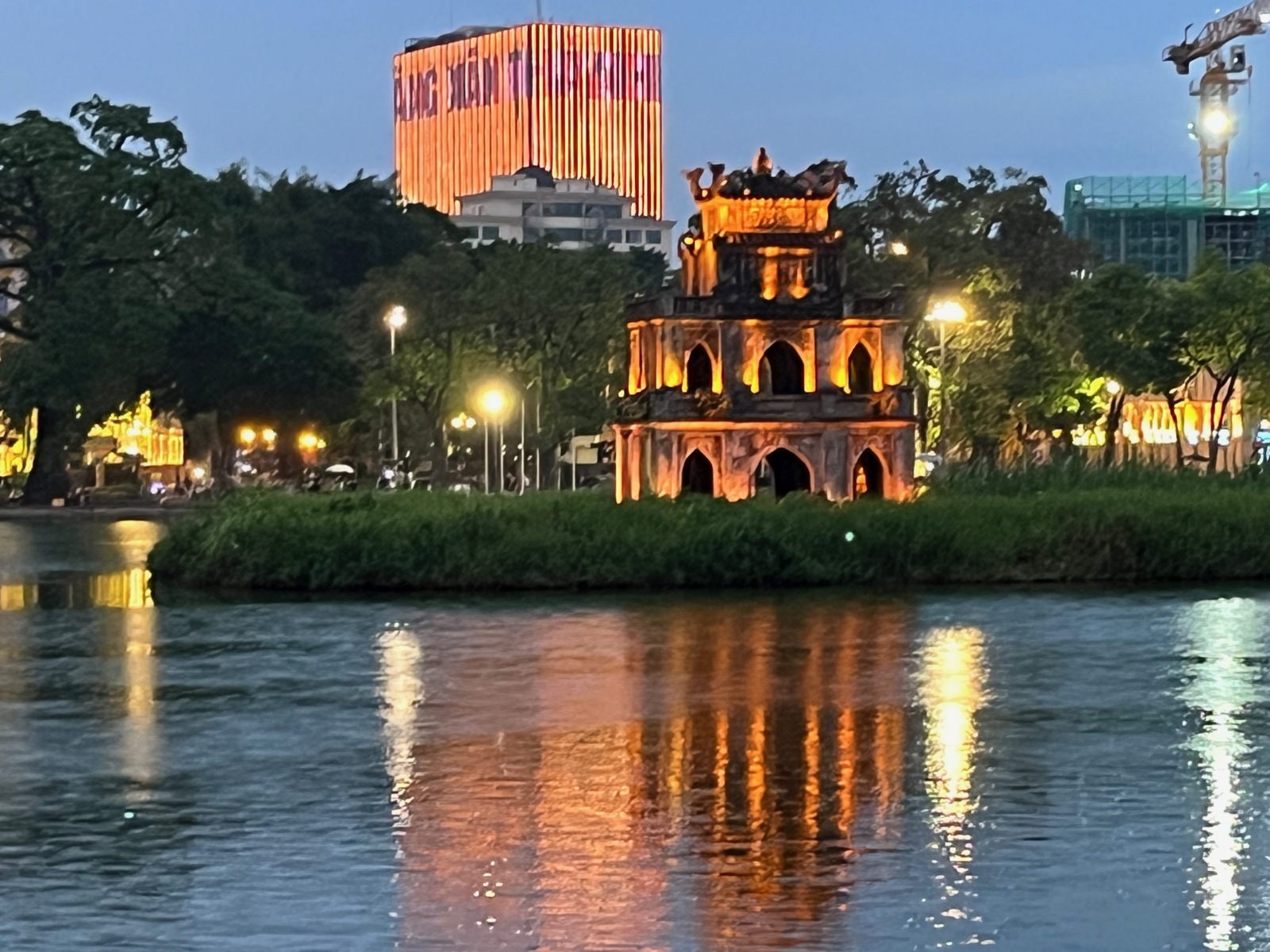
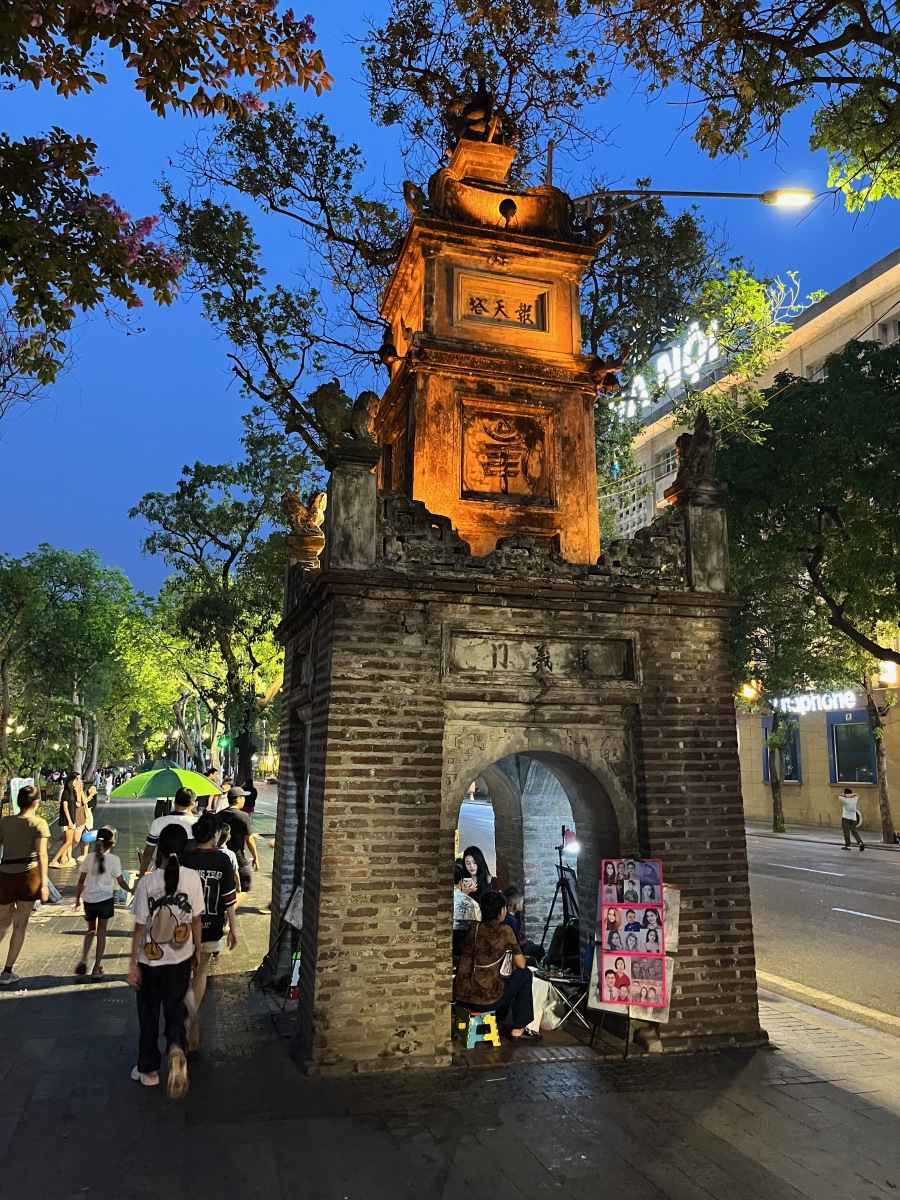
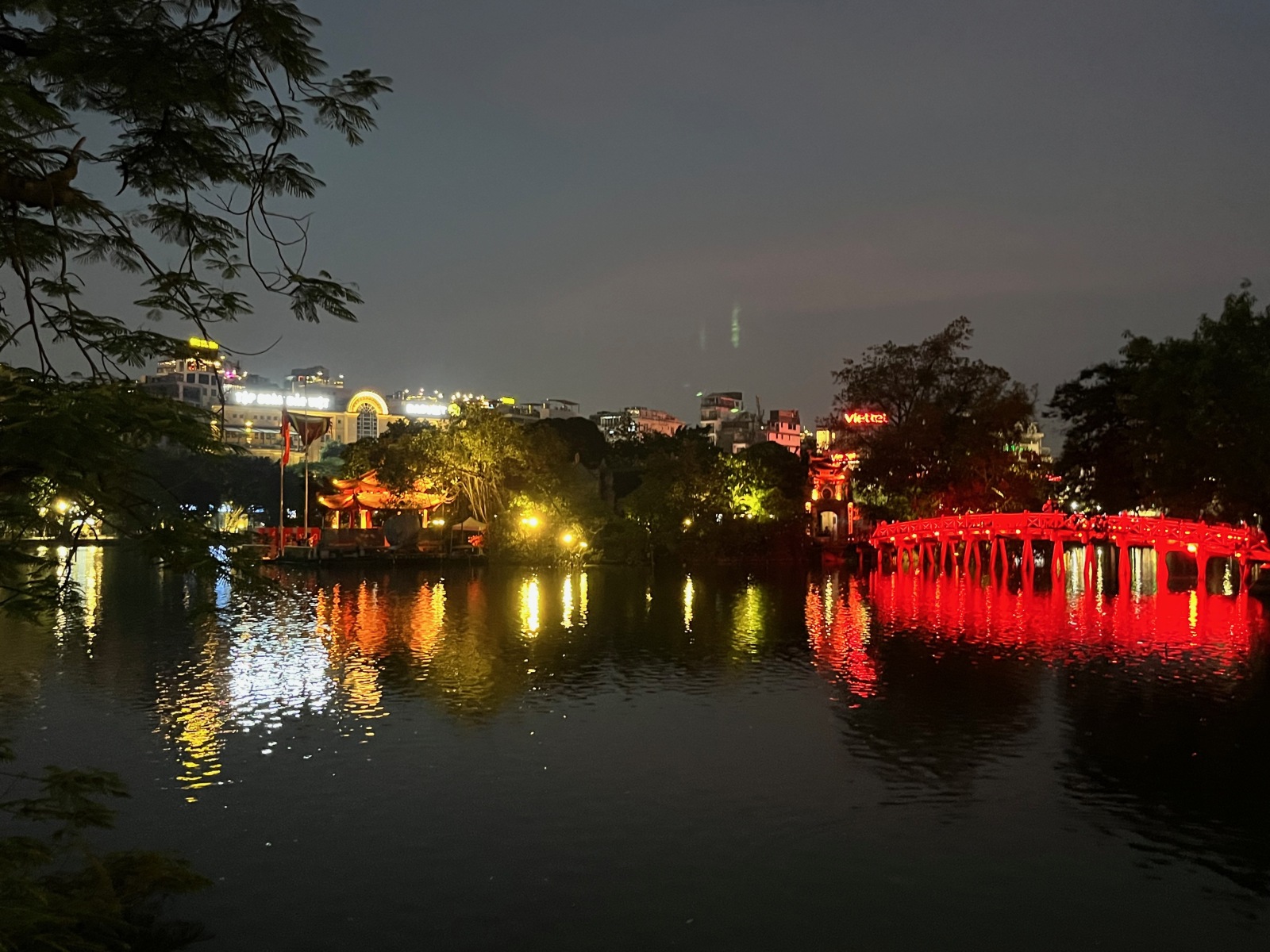
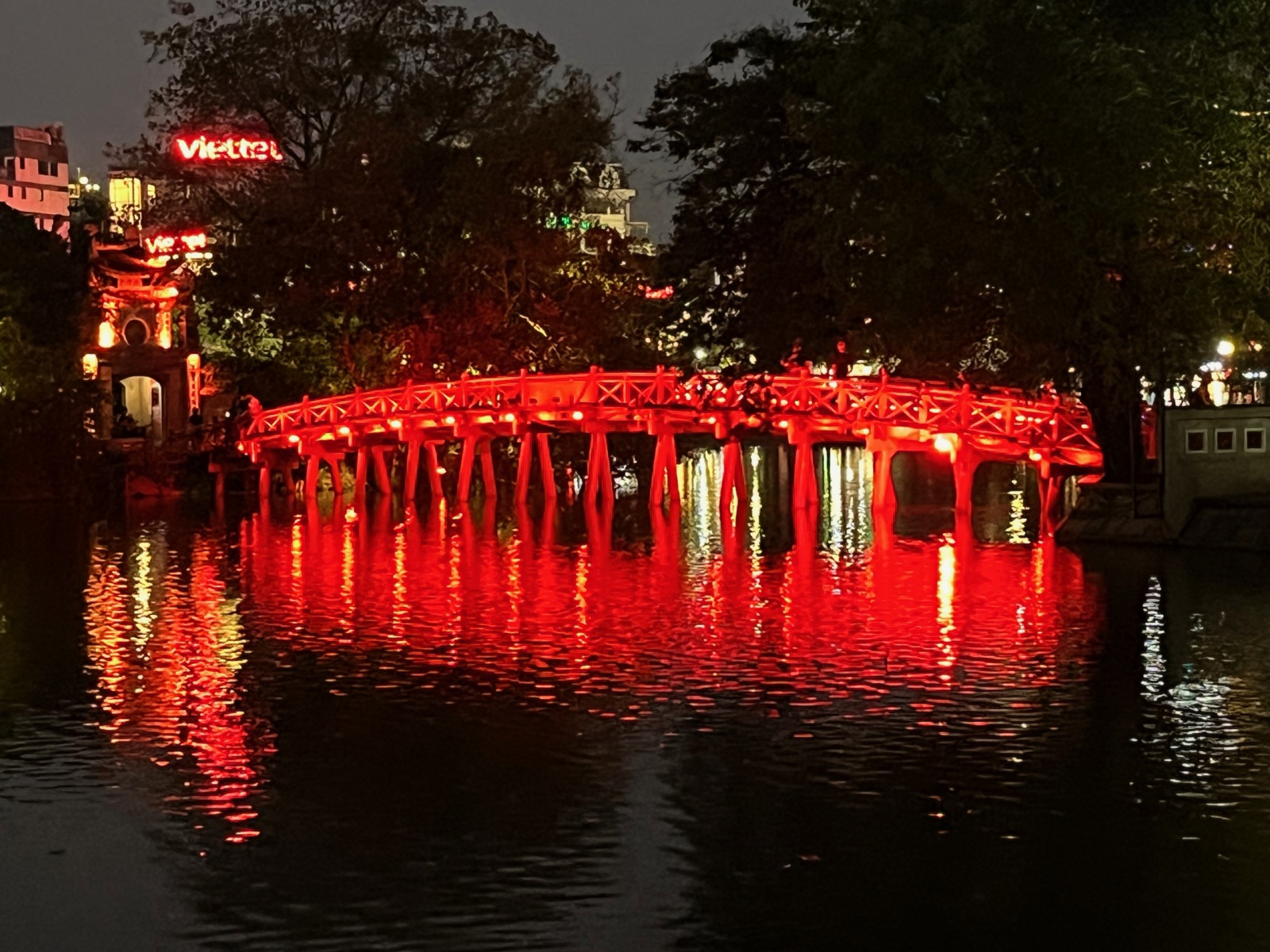
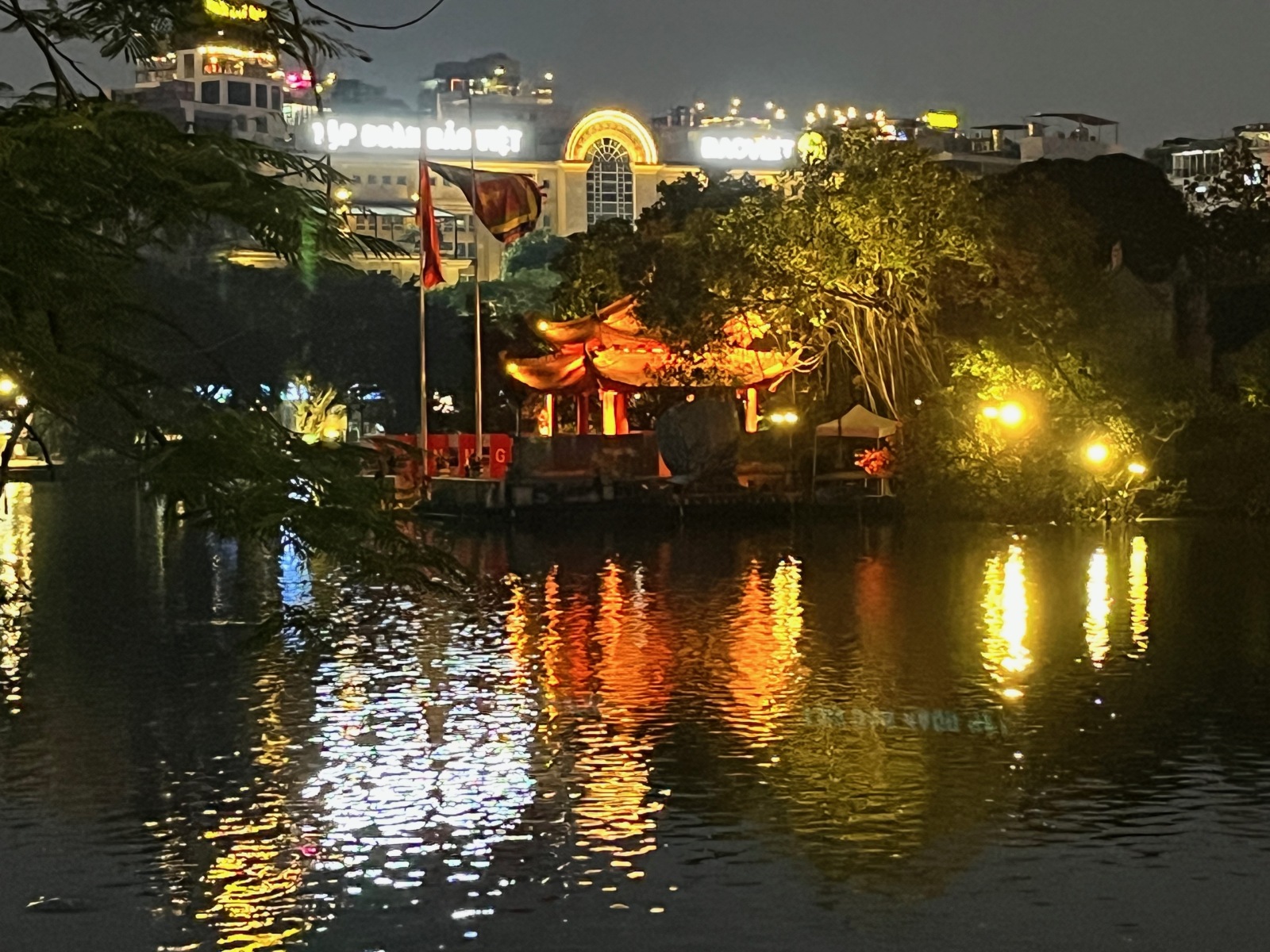
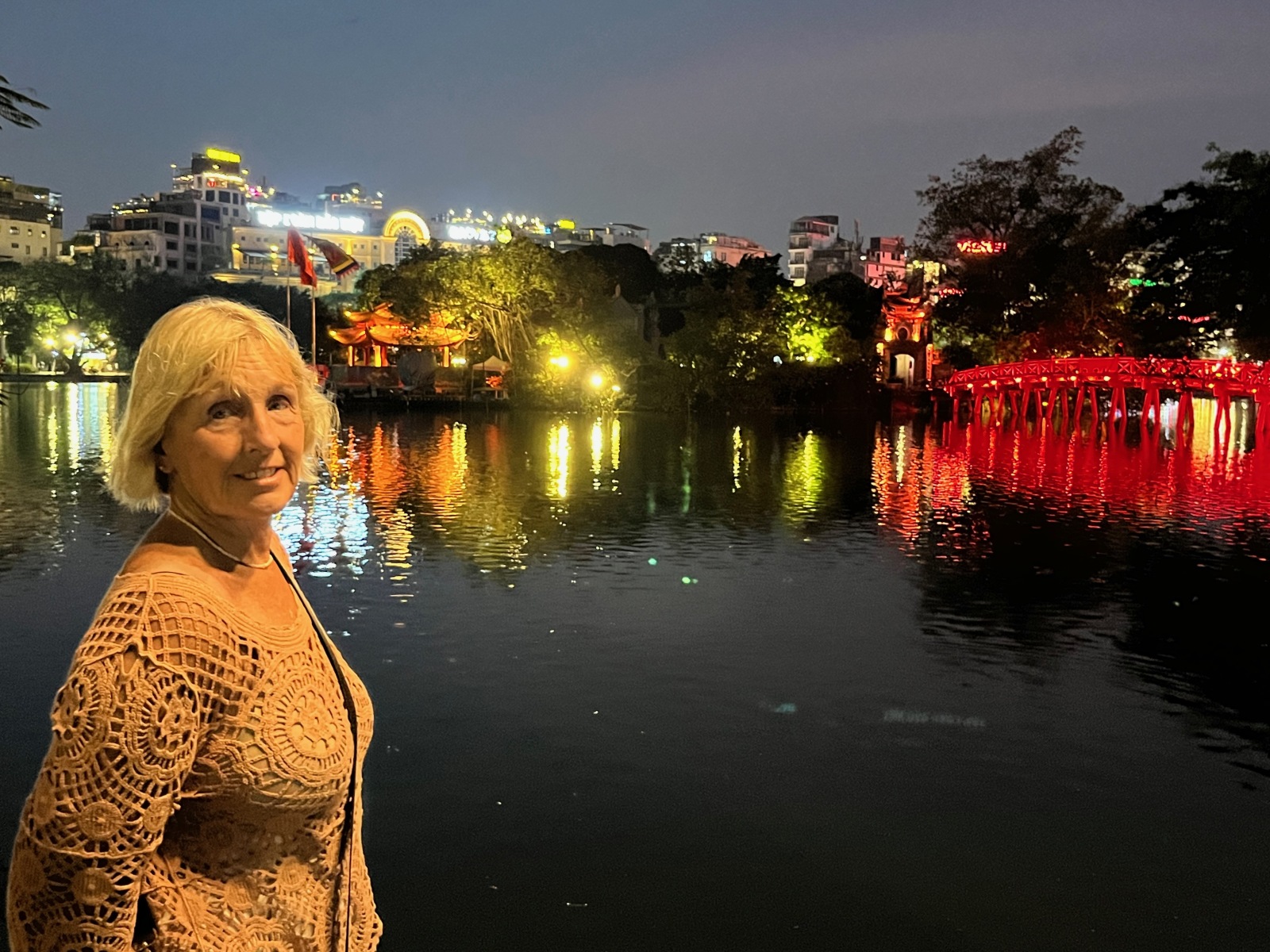
This evening the temperatures had cooled a little and there was a light sprinkling of rain so we went for a stroll through the Old quarter and around the lake: